Why we torture our bathroom lamps (and why you should care)
Bathrooms are basically death traps for electronics. You’ve got thick steam, sudden temperature jumps, and constant moisture. Most heating elements just can’t hack it, and they burn out way too soon. We don’t like guessing how long a lamp will last. Instead, we put them in a chamber and try our hardest to break them.
The battle between moisture and quartz
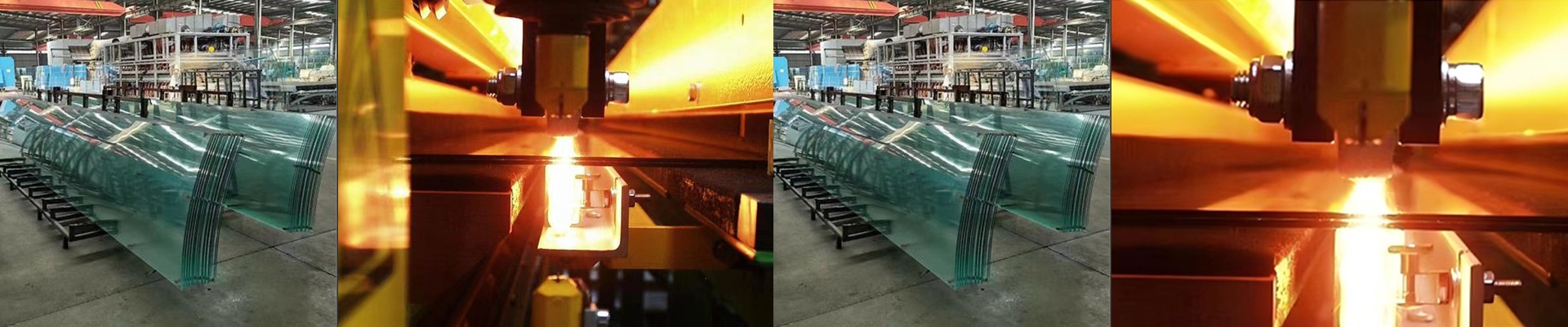
Most of these heaters use quartz glass tubes. Now, quartz is great with heat, but the spot where the glass meets the metal electrodes? That’s the Achilles’ heel. If the seal isn’t perfect, moisture sneaks in. Once that water vapor hits the tungsten filament, it’s game over. The filament oxidizes, thins out, and pops. To stop this, we run our lamps through “damp-heat” cycles. We crank the humidity up to 95% and swing the temperature back and forth. It’s brutal. But if a seal is off by even a tiny fraction of a millimeter, the lamp fails in our lab—not in your customer’s ceiling.
Dealing with the “Shock”
Think about it: a lamp goes from ice-cold to 500°C in a few seconds. Then, someone hops in the shower and a cloud of cold mist hits that scorching glass. That kind of thermal shock can crack the quartz or shake the internal supports loose. Our tests simulate this over and over. We’re hunting for micro-fractures. If a lamp can survive 1,000 of these stress cycles, you can be pretty sure it won’t quit after a month of actual use.
The honest trade-off
Here’s the thing: using higher-grade quartz and tightening those seals costs more. It also makes the lamps a bit heavier. Sure, you pay a bit more upfront for the materials. But that’s a lot better than the nightmare of dealing with field recalls. We’d rather spend the money on a rock-solid seal now than have a customer deal with a dead lamp in their ceiling later. That’s an expensive fix nobody wants.