Why you should ditch those old bathroom heat lamps for infrared
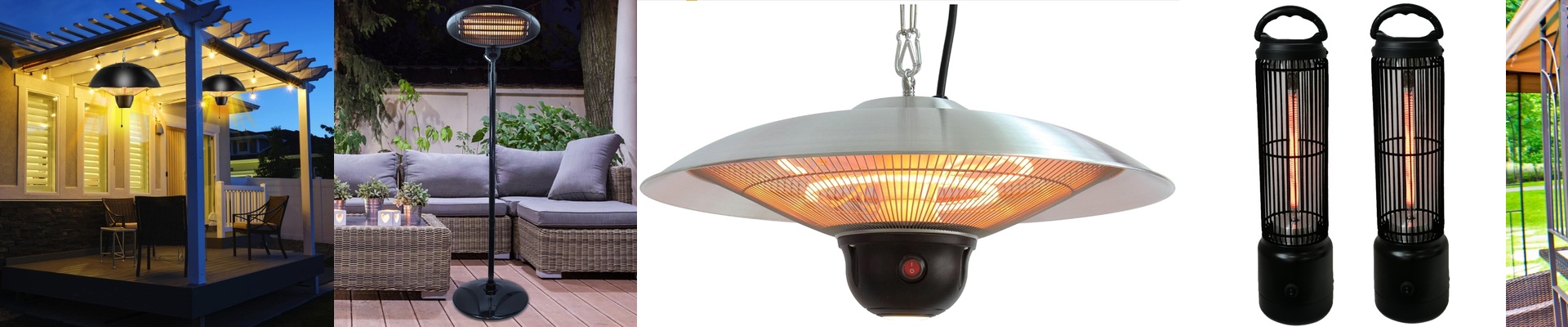
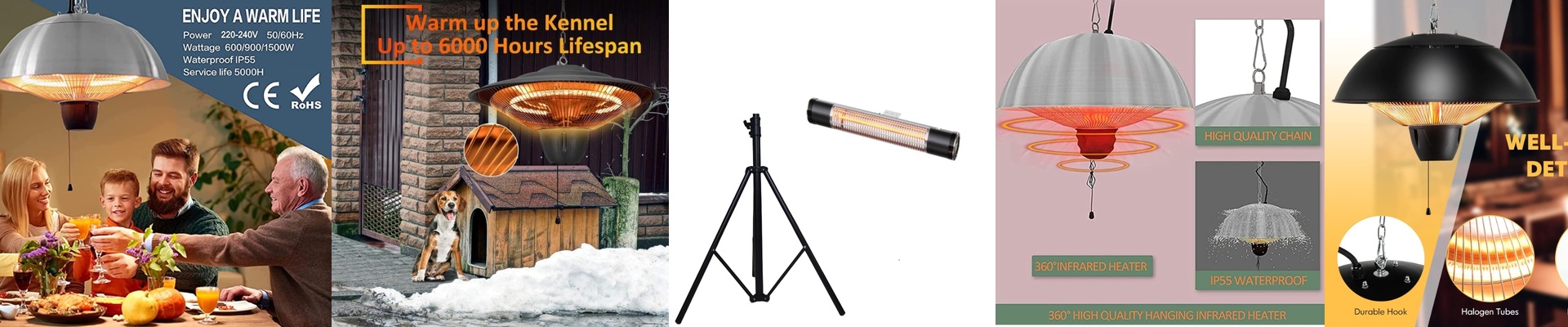
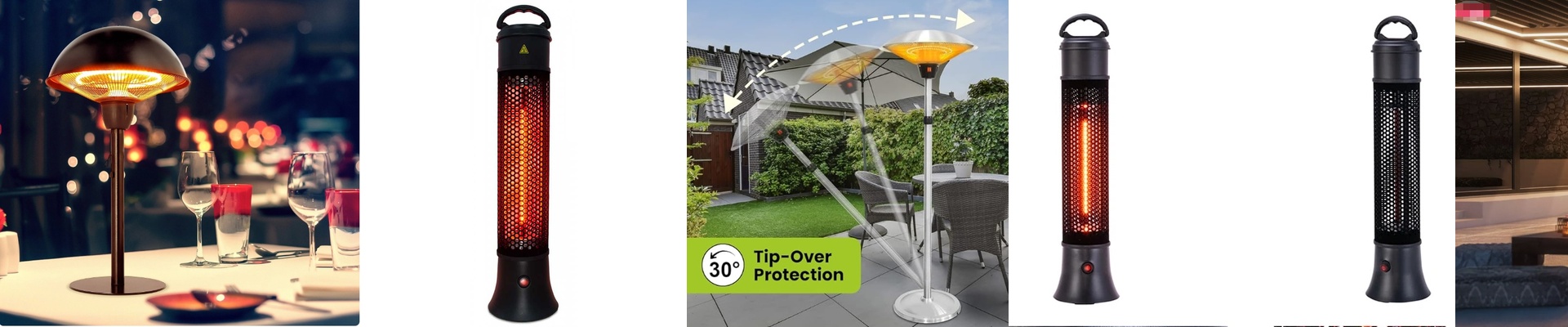
Let’s be honest: those old-school halogen heat lamps are a bit of a nightmare. You know the ones—they get scorching hot, they’re fragile, and the second a bit of steam or a stray splash of water hits them, they’re gone. It’s a constant cycle of burnt-out bulbs and worrying about a short circuit while you’re just trying to take a shower. That’s why more people are switching to high-IP infrared heaters. Basically, they tuck the heating element behind a sealed, waterproof barrier. It’s a much smarter way to stay warm. The problem with water and heat Here is the thing about those standard bulbs: they get incredibly hot. When a cold drop of water hits that hot glass? Crack. Thermal shock. Simple as that. Infrared units fix this by sealing everything up. When you see a rating like IPX4 or IPX5, it just means the guts of the machine are protected. Water can’t get to the wiring or the filament. It’s not just about keeping things safe—it means you aren’t climbing a ladder to replace a bulb every few months. Warmth you can actually feel Standard lamps try to heat the air. But in a steamy bathroom, that heat just vanishes into the cold tiles and damp walls. You’re fighting a losing battle. Infrared is different. It sends out waves of heat that hit you directly. It doesn’t matter if the room is freezing or filled with steam; you feel the warmth the second you step under it. It’s instant. No waiting around for the room to warm up. Plus, we build these things to handle heavy humidity without the internal wires rusting away. The catch (and why it’s worth it) Now, there is one trade-off. You can’t just unscrew an old bulb and pop one of these in. You’ll need a dedicated circuit to handle the power load so you don’t keep tripping your breaker. It’s a bit more work upfront during the install, but think about the long run. You stop playing the “which bulb died this time?” game. You get a smaller footprint on your ceiling, but way more heat where you actually need it.