
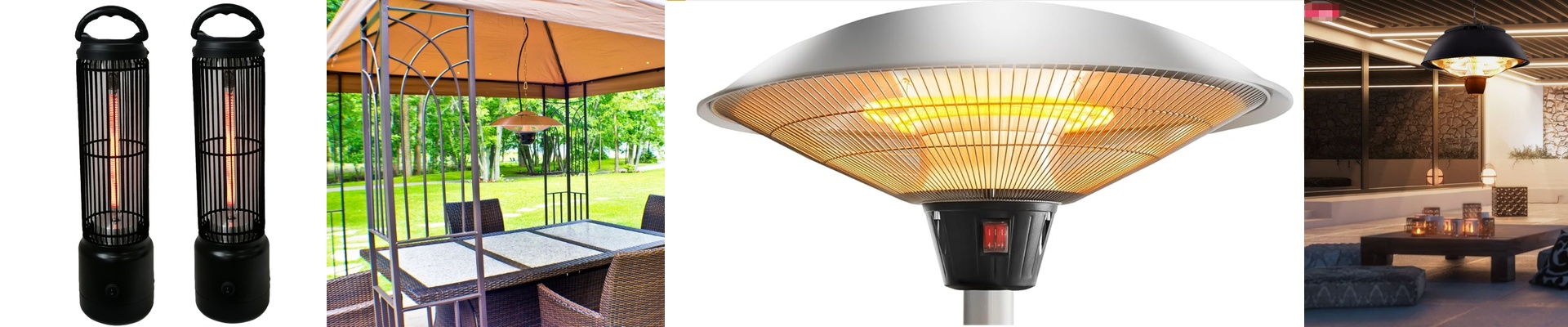
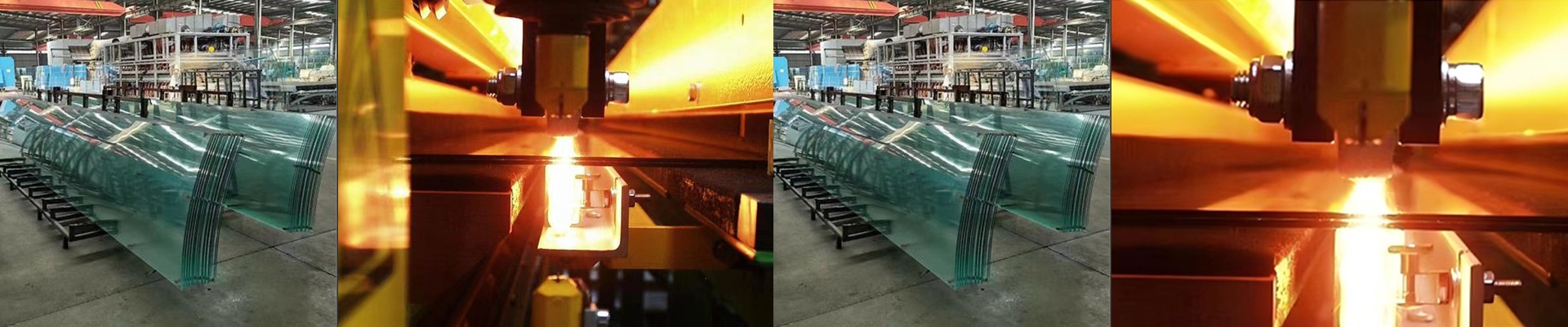
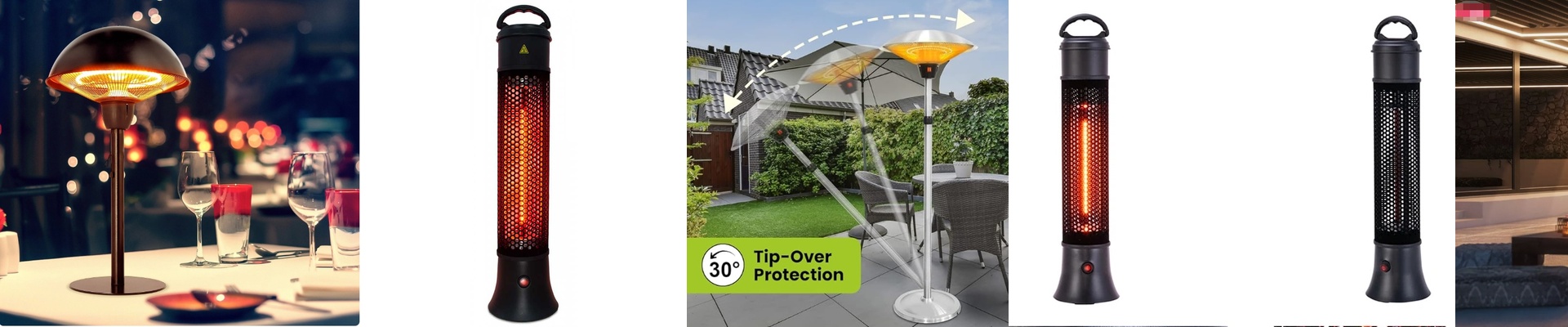
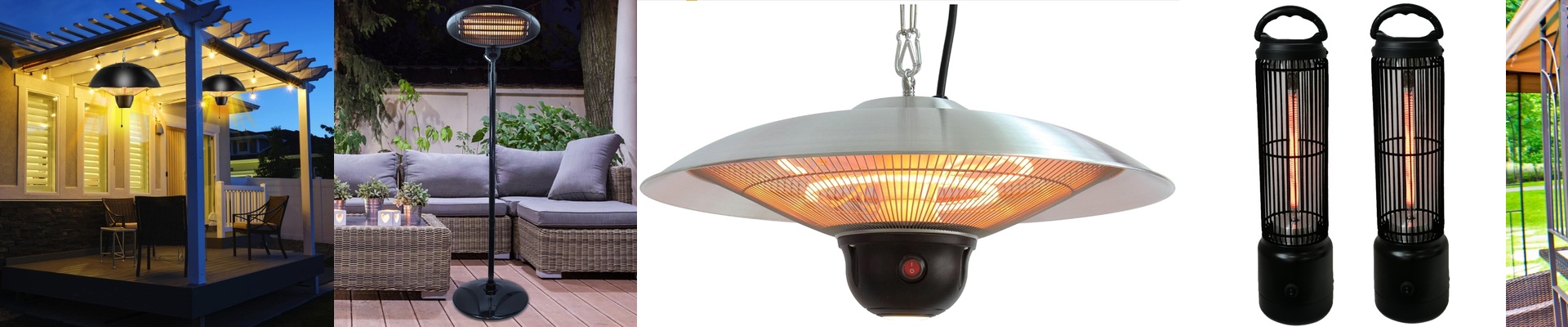

If you’re putting recessed infrared heaters in your ceiling, you’ve got two big problems: moisture and dust. Think of the heating element like a magnet. In a humid room or a dusty shop, it just pulls all that grime right onto the lamp. It’s a recipe for a short lifespan. We built our latest recessed series specifically to stop that from happening. The problem with vapor Here is the thing about standard infrared lamps: they hate water vapor and oil mist. When that stuff settles on the quartz tube, it creates “hot spots.” Basically, the glass gets way too hot in some places and not enough in others. Eventually, the tube cracks or the filament just gives up. To fix this, we added a specialized anti-fog layer and a sealed housing. It keeps the surface clean, so the heat stays steady and you don’t have to worry about the glass snapping from thermal shock. Dealing with splashes Then there are the splashes. A bit of water in the wrong place can fry your electrical terminals or eat away at the reflector. We handled this by giving the chassis a precision drip edge. It’s a simple fix, but it works. It pushes liquids away from the wiring and the heater, making sure nothing leaks up into your ceiling. The trade-off Now, full disclosure: when you add seals and shields, you’re putting a bit of a barrier in the way of the heat. You might notice the raw intensity is a tiny bit lower than a wide-open heater. But honestly? It’s a trade you want to make. An open heater in a damp room might die after 2,000 hours. Our protected version? It can easily sail past 8,000. That’s a lot less time spent on a ladder replacing bulbs. Just a heads-up on the install: make sure your ceiling cutout is exact. If the housing isn’t sitting perfectly flush, that splash-proof seal is useless. And stick to the wiring guidelines—it’s the only way to keep your warranty safe.