

Getting the Heat Right in Your Bathroom
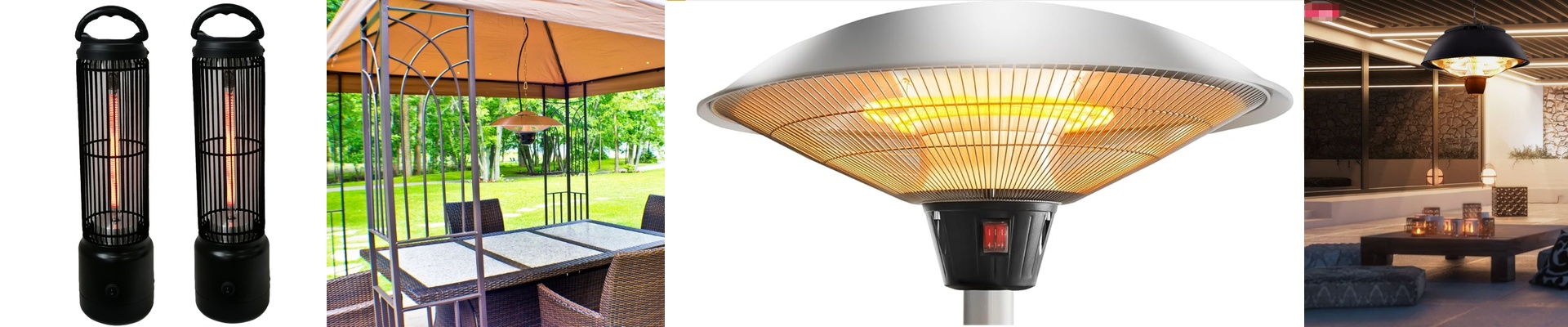
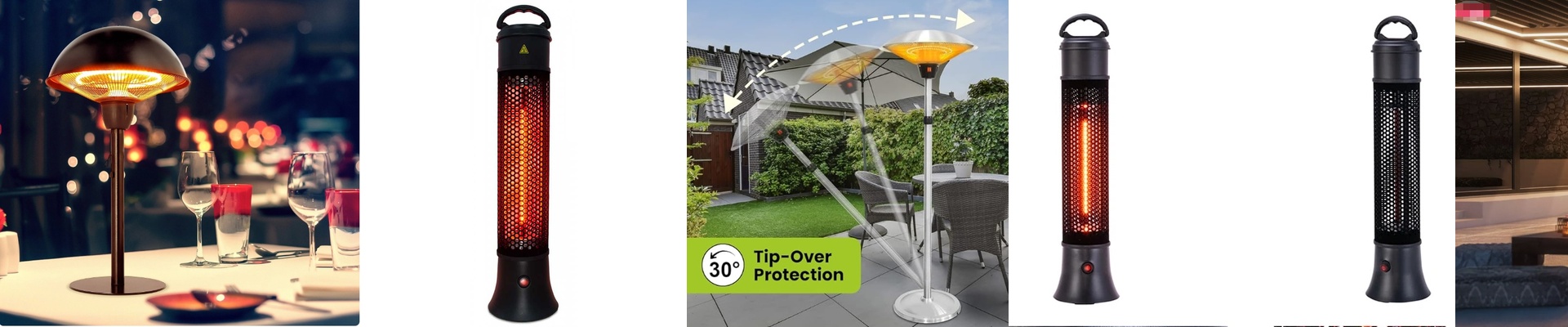
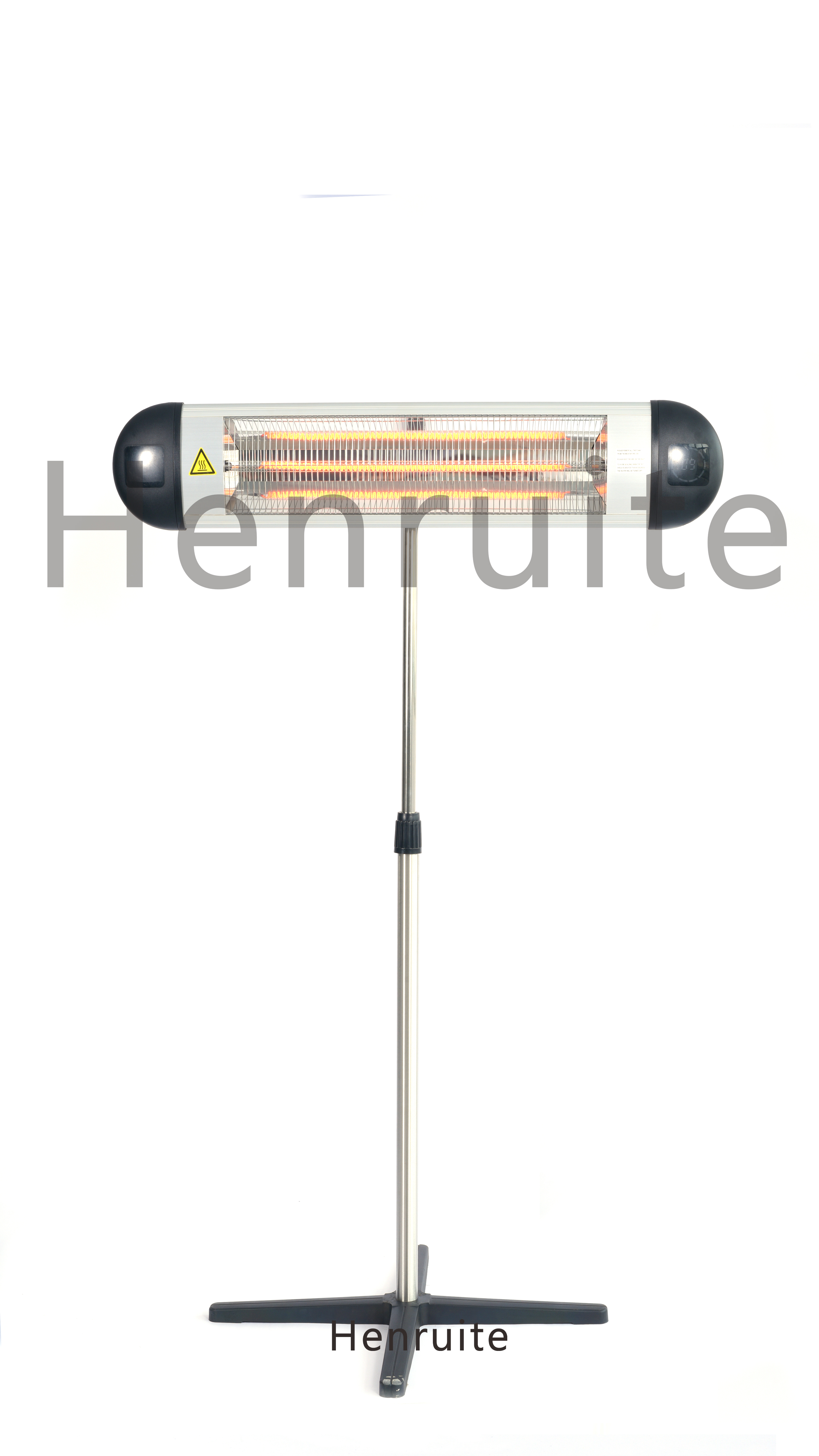
If you’ve never used a ceiling-mounted infrared heater, here is the secret: they don’t actually warm up the air in the room. Instead, they beam heat directly onto you. It feels like stepping into a patch of sunlight on a cold morning. But here is where people usually mess up—the wattage. If you go too low, you’re still shivering while you brush your teeth. Go too high, and you’re just burning electricity (or worse, tripping your breakers).
Finding Your Sweet Spot
The amount of power you need mostly depends on how much space you’re trying to cover. For a tiny powder room—you know, those little half-baths—a 400W to 600W lamp is usually plenty. If you’re dealing with a medium-sized bathroom, you’ll want to bump that up to 800W or 1200W. For those massive master baths? You’re probably looking at a few different lamps working together. One thing to keep in mind: height matters. If your ceilings are higher than 2.5 meters, the heat has further to travel. You’ll need a bit more power to make sure you actually feel that warmth by the time it hits the floor.
The Trade-off
Higher wattage is great because it’s fast. A 1200W lamp hits that “toasty” feeling almost the second you flip the switch. But there’s a catch. That initial surge of power can be a lot for your electrical system to handle. It’s worth double-checking that your wiring can take the hit before you install something heavy-duty. If you have a big space, don’t just buy one giant, scorching heater. I’d suggest installing a few smaller 400W lamps on separate switches. That way, you can just turn on one zone if you only need a little warmth, rather than heating the entire room like a sauna.
A Few Real-World Tips
Don’t just slap these things against the ceiling. High-wattage lamps get hot—really hot—right where they’re mounted. Leave at least 10cm of breathing room between the heater and your ceiling. If you don’t, you might end up with warped drywall or nasty scorch marks. Also, make sure your wiring is rated for a continuous load. You don’t want your terminals burning out because the wires were too thin for the job.