Stop Fighting the Ceiling: A Better Way to Heat Big Spaces
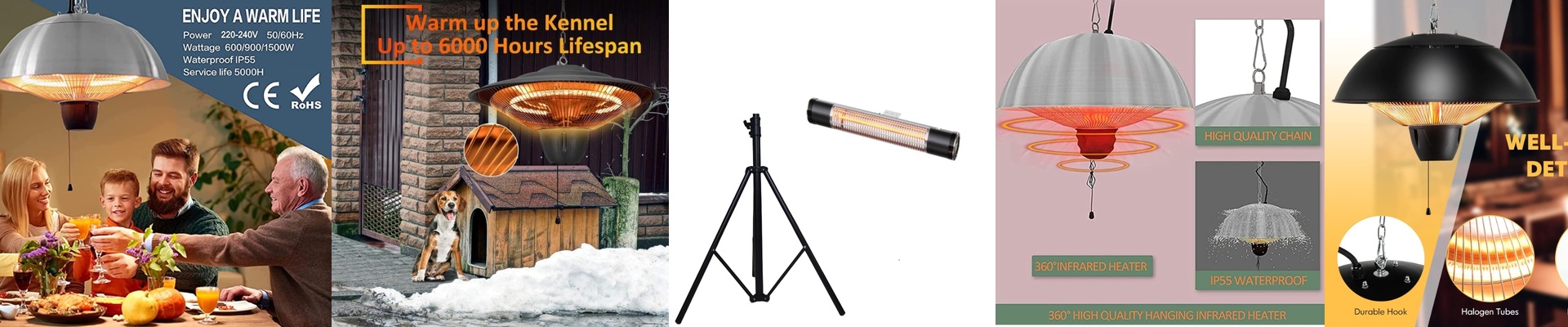
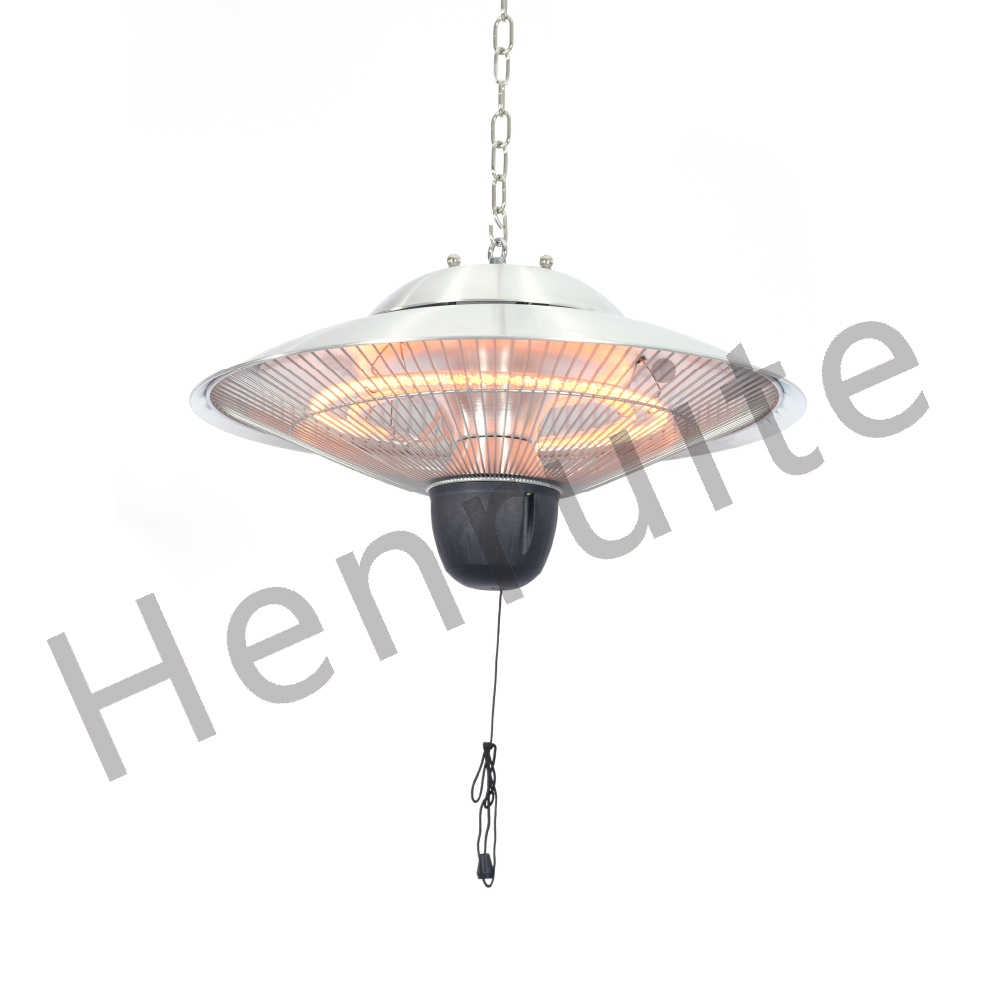
If you’ve ever tried to heat a drafty changing room or a massive factory floor with a standard heater, you know the struggle. You crank the dial, the air gets warm, and then—like magic—all that heat just floats straight up to the ceiling. You’re left shivering on the floor while the rafters are cozy. It’s a waste of money and a pain for everyone involved. That’s why we stick with ceiling-mounted infrared heaters. Instead of trying to warm up the air, these things just ignore the air entirely. They send out waves of energy that hit people and objects directly. It’s basically like stepping into sunlight. You don’t have to wait for the room to “warm up.” There is no idling period. The second you flip the switch, the elements get hot and start pushing energy downward. It’s the reason a freezing locker room can feel warm in an instant. The heat doesn’t get lost in the void; it goes straight into your skin and clothes. Now, getting this right takes a bit of planning. We usually look at how much power we can pack into the emitter and where exactly it’s going. Since the heat has to travel from the ceiling all the way down to the floor, you need some serious wattage to make it happen. Depending on how long you want the gear to last and how intense you want the heat, we usually go with either quartz or ceramic. But here’s the thing: you have to watch your electrical load. It’s tempting to just buy a few high-powered units to save on wiring, but that puts a lot of stress on your circuit breakers. Plus, if you cram too much power into one small spot, you end up with “hot spots.” Nobody likes feeling like they’re standing too close to a campfire while they’re trying to work. Mounting everything on the ceiling is a no-brainer for saving space and keeping the equipment safe from forklifts or accidental bumps. But the height of your roof changes the game. If your ceilings are really high, short-wave IR is your best bet. It doesn’t get pushed around by drafts or air currents as much. There is a catch, though. Short-wave tubes don’t usually last as long as the medium-wave ones. It’s a classic trade-off. You get that instant, punchy heat, but you’ll be swapping out the tubes a bit more often. For most people, the comfort is worth the maintenance.