The Real Deal on Power, Voltage, and Heat
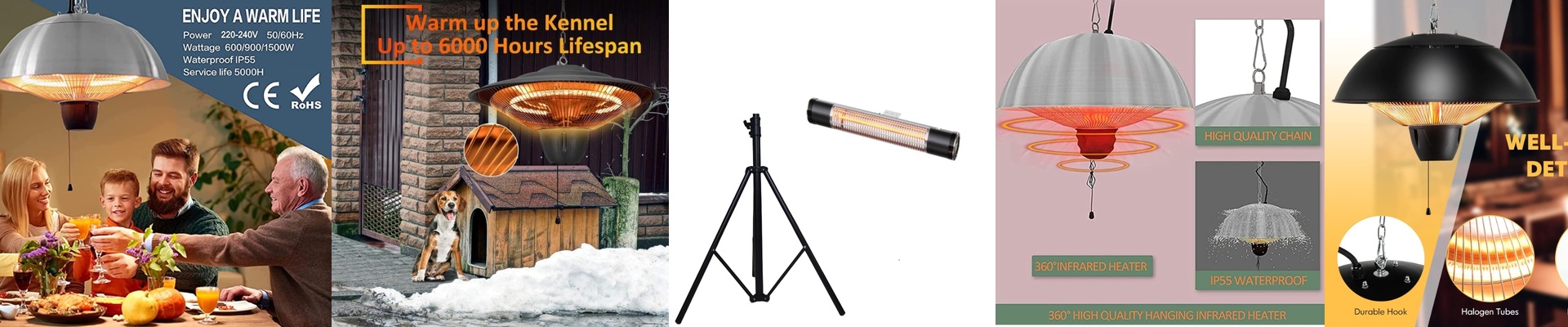
When we spec these heaters for a commercial patio, it’s for one reason: they throw off serious heat, and they do it fast. The heart of it all is a high-wattage halogen infrared lamp, usually cranking out anywhere from 1500W to 2500W. You’ve got to match that to the power on site. For standard commercial setups, you’re looking at 230V or 240V. But if you’re wiring up a bunch of them in a bigger space, the 400V option is the way to go. It helps spread the load evenly across the phases. The length of the quartz tube is a key detail, too. It’s all about controlling the heat beam. A shorter, 300mm tube keeps the heat focused in a tight spot. This means you can warm up guests sitting right there, without wasting energy heating the walls and ceiling.
What It’s Made Of: The Halogen Heart and Solid Connections
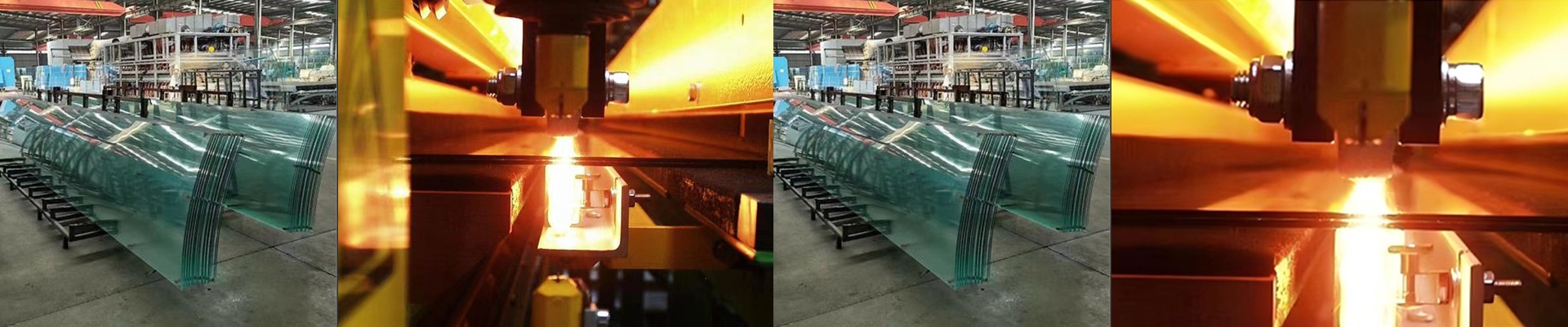
The halogen cycle is what keeps the filament stable, so the heat output stays steady over the life of the lamp. The quartz envelope is built to take the heat—it handles the sudden temperature changes better than regular glass, which keeps the whole element clean and consistent. We use an R7s connector because it’s a tough, high-temp connection that’s proven itself. It makes swapping out a lamp a simple, straightforward job. Some models use an SK15 connector, too. That’s all about making sure the lamp locks in place securely and lines up perfectly, which is a huge help when you’re wiring a string of heaters on a busy night.
Why This Works So Well on a Restaurant Patio
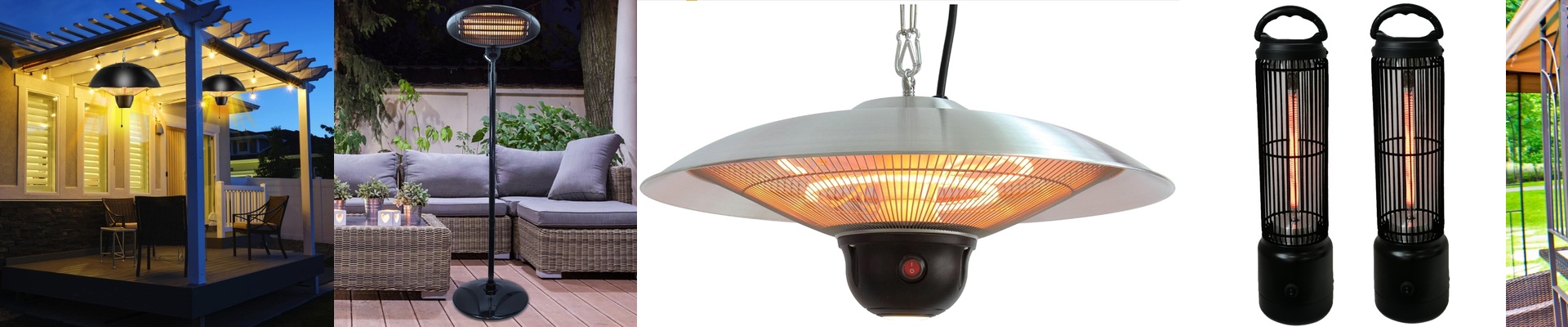
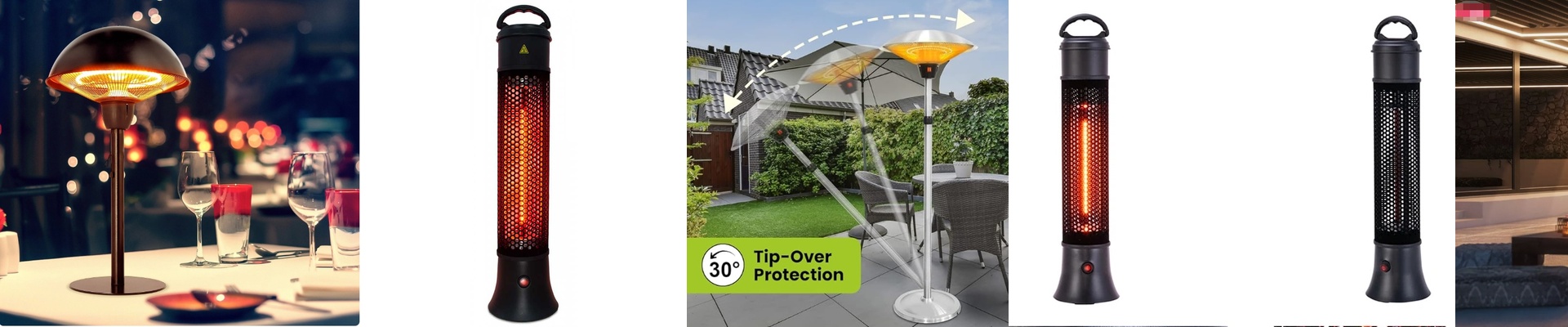
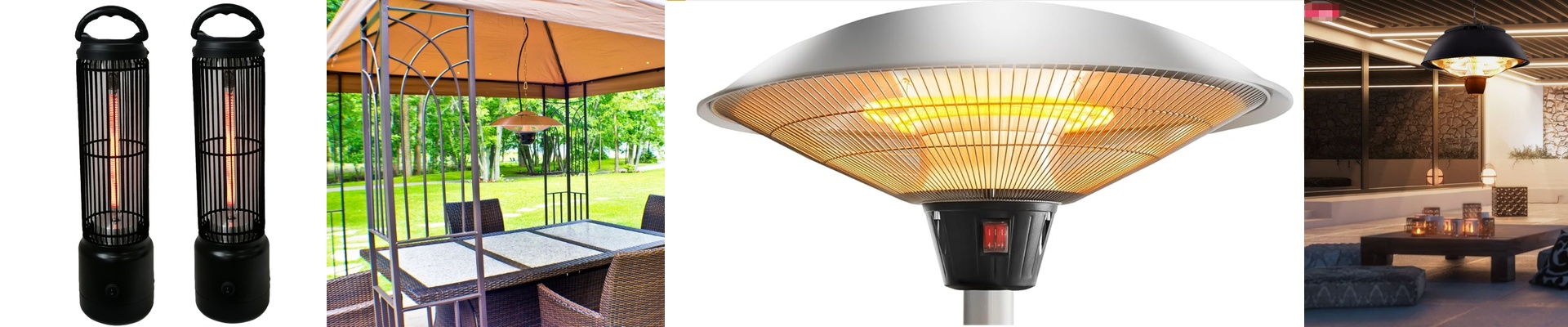
Out on a restaurant patio, these heaters shine because they send out direct infrared heat. It travels straight to people, cutting right through the air. You get that instant warmth where guests are actually sitting, not just a vague, warm feeling in the air. The design is compact, so you have options. Mount them overhead, on a wall, or on a pole. It’s easy to warm up those cozy little pockets of seating without the space feeling crowded. Now, a heads-up: that high power means you absolutely need proper ventilation and clearance. And to keep the heat where you want it, you’ve got to keep the reflector clean.