Why waterproof infrared heaters are stealing the spotlight in modern bathroom renovations
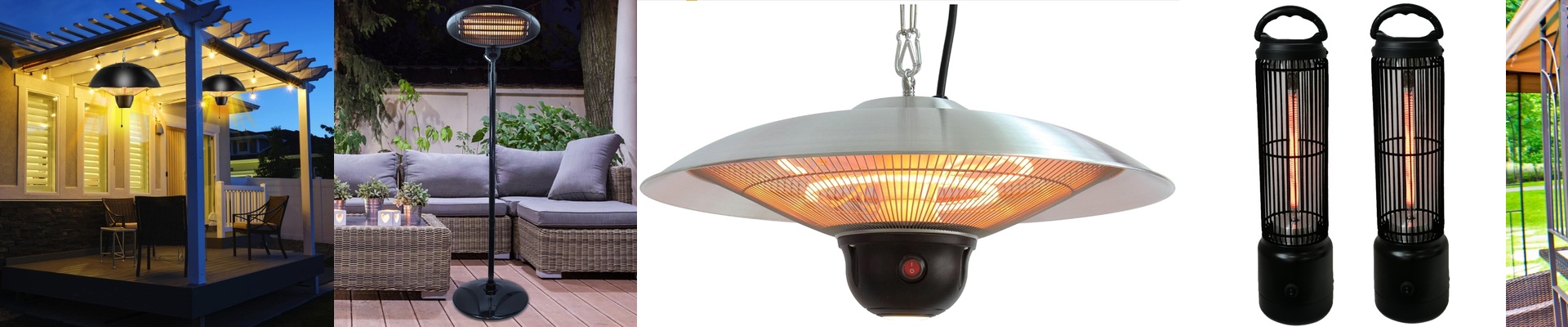
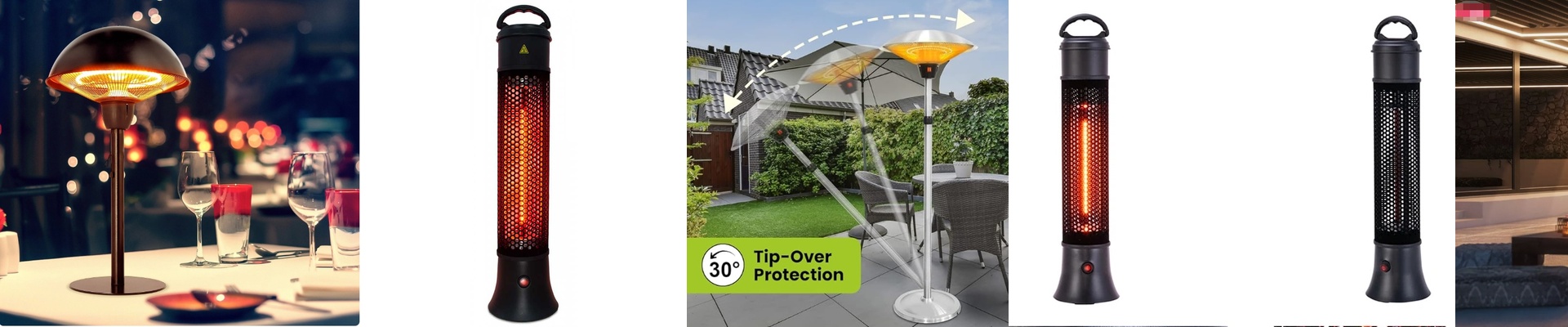
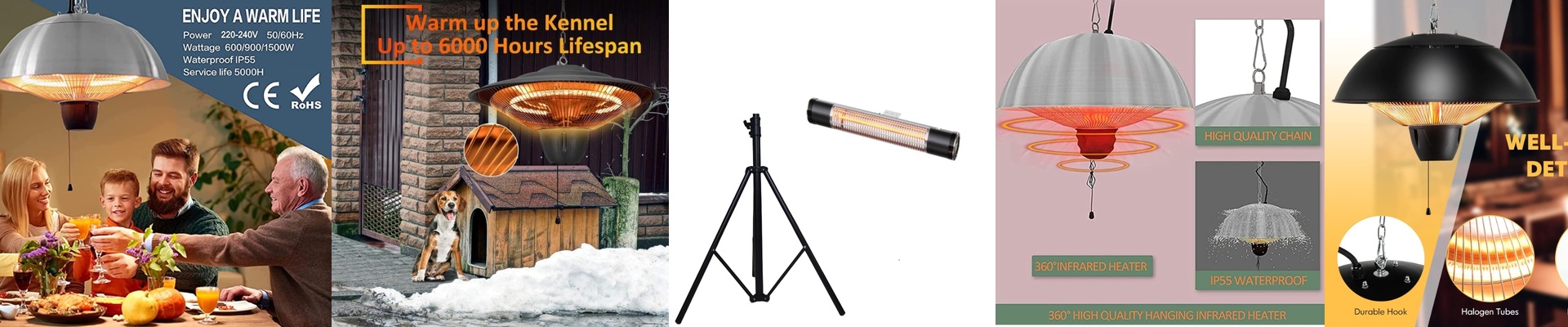
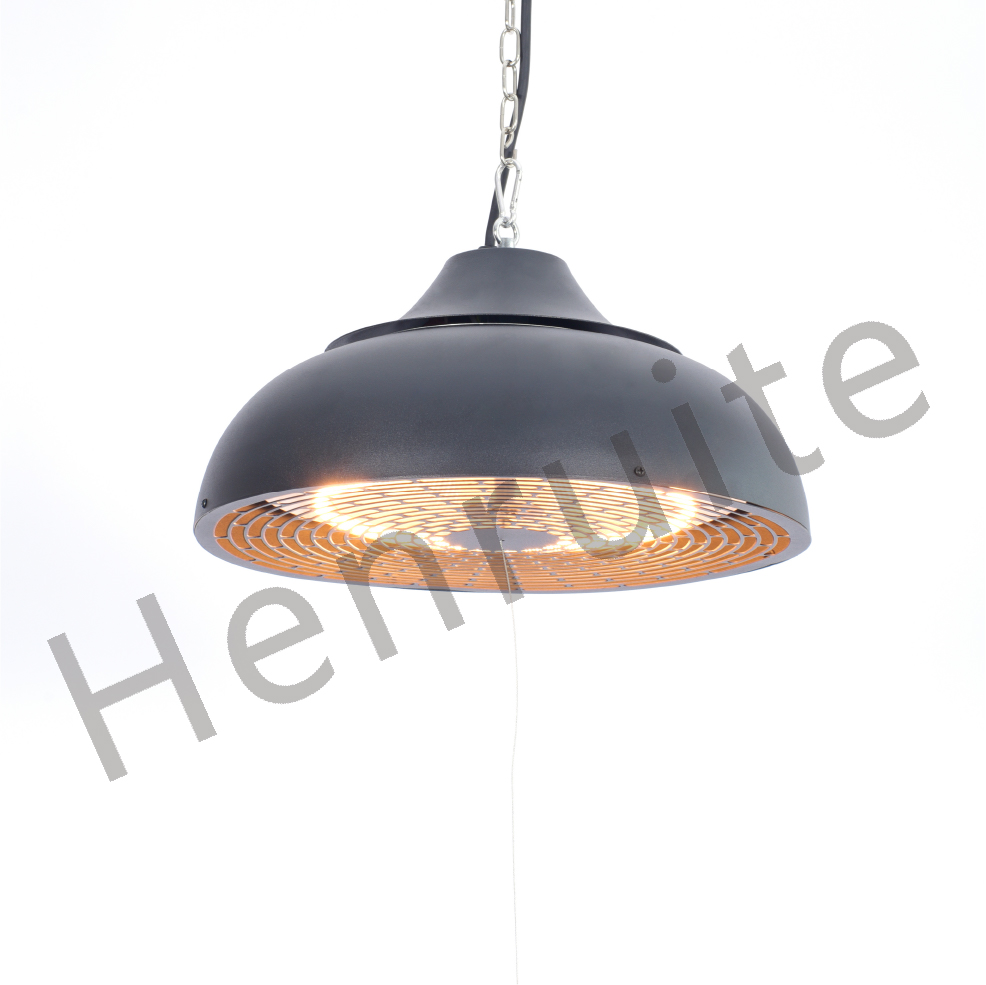
Let’s talk bathrooms. Specifically, the kind of bathroom that feels cozy the second you step in—not the kind that leaves you shivering while you wait for the air to warm up. Here’s the thing: more and more renovators are swapping out old lamp heaters for waterproof infrared heaters. And honestly? It makes total sense. Modern bathrooms ask for something that can handle the moisture, warm you where you stand, and fit into the space without a fight. Our waterproof infrared units were built for exactly that—simple, solid, and ready for wet conditions.
Power, voltage, and size: the practical stuff
These heaters are compact but serious. Most run on 220V–240V and deliver between 1500W and 2500W, depending on the room. That means you get heat fast—no waiting around—without straining your circuit. And the footprint? Small. The tube is typically around 300mm long, so it tucks neatly into tight spots. Whether you’re doing a recessed install or going surface-mounted, it fits cleanly and heats hard.
What’s inside: halogen, quartz, and a smart connection
Inside, you’ve got a halogen-filled quartz tube that produces shortwave infrared. Quartz is tough—it handles sudden temperature swings and keeps its cool through countless on/off cycles. The halogen gas helps keep the filament temperature steady, so the heat output stays consistent and the lifespan stretches beyond basic lamp heaters. And the R7s connector? That’s the kind of detail that makes installers happy. It’s secure, low-resistance, and makes wiring straightforward. The whole unit is sealed up tight—housings and gaskets built to meet IP ratings for wet locations. In other words, it’s designed to live in a bathroom without complaining.
Why it shines in real bathrooms
When you’re renovating a bathroom, you want warmth that reaches you, not just the air. Infrared does that. It delivers directional heat, so you feel comfortable almost immediately. And because it’s waterproof, you’re not crossing your fingers every time the room fills with steam or the shower sprays. That reliability is exactly why it’s becoming the new standard. Installation is a relief, too. On many jobs, it’s a straight drop-in, which means fewer headaches and less rework. One note, though: these heaters pack serious heat density. That’s great for comfort, but it means the surrounding fixture and wiring need proper thermal breathing room. Just make sure you check clearances and follow local code. The result? A bathroom that feels warm the moment you need it, built around a heater that can handle the reality of water, steam, and daily use.