Why Outdoor Heaters Actually Fail (And How to Fix It)
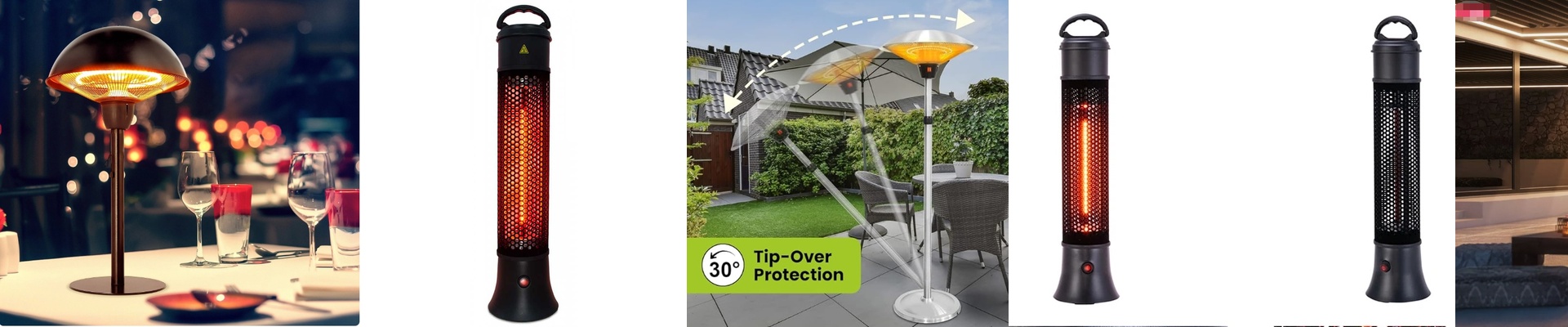
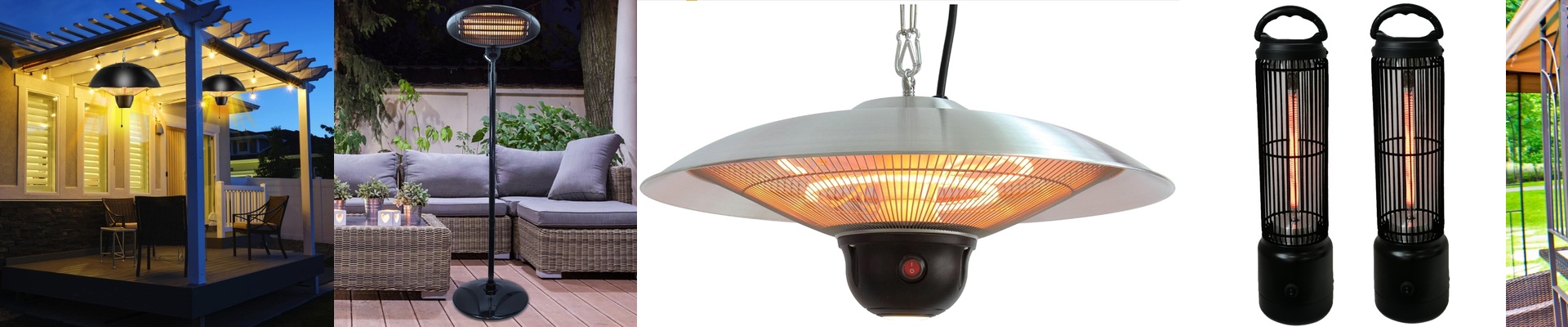
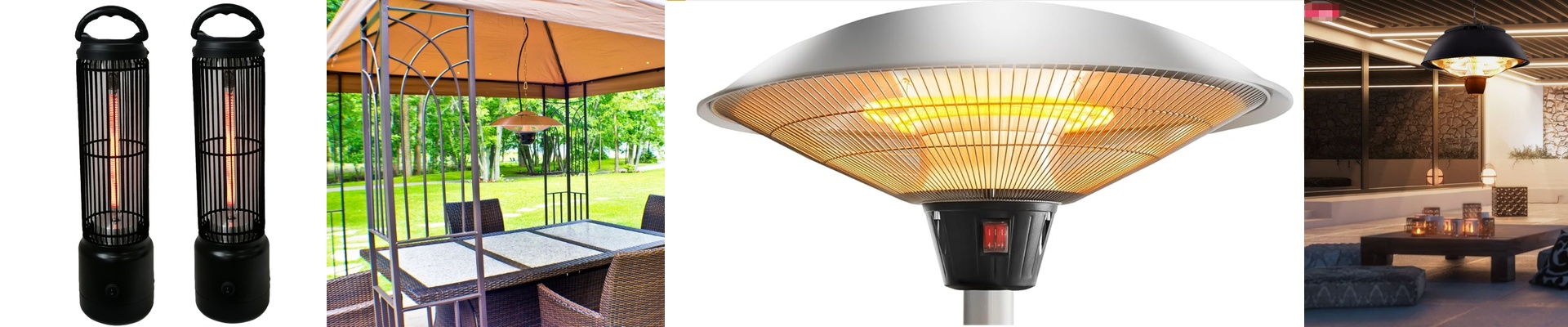
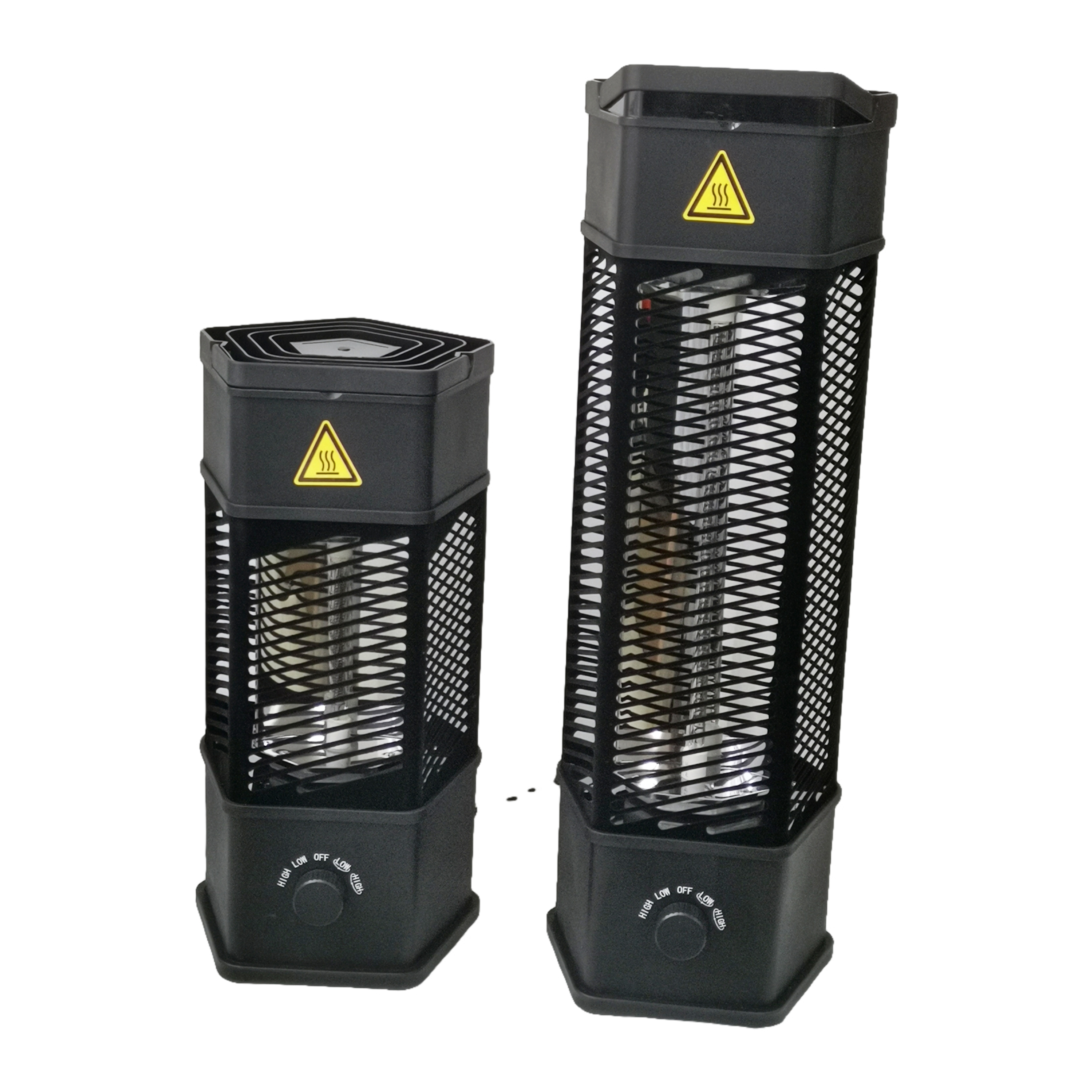
If you’ve ever dealt with outdoor patio heaters, you know they live a brutal life. They’re constantly swinging between scorching heat and damp, rainy nights. Most people think the heating element is the part that gives out first. But honestly? It’s usually the lead wire connection where it meets the quartz tube. That’s the real danger zone. When that seal lets go, moisture sneaks in. Once water hits those high temperatures, it starts eating away at the insulation. It turns into carbon, shorts out, and suddenly your heater is a paperweight.
The “Budget” Trap
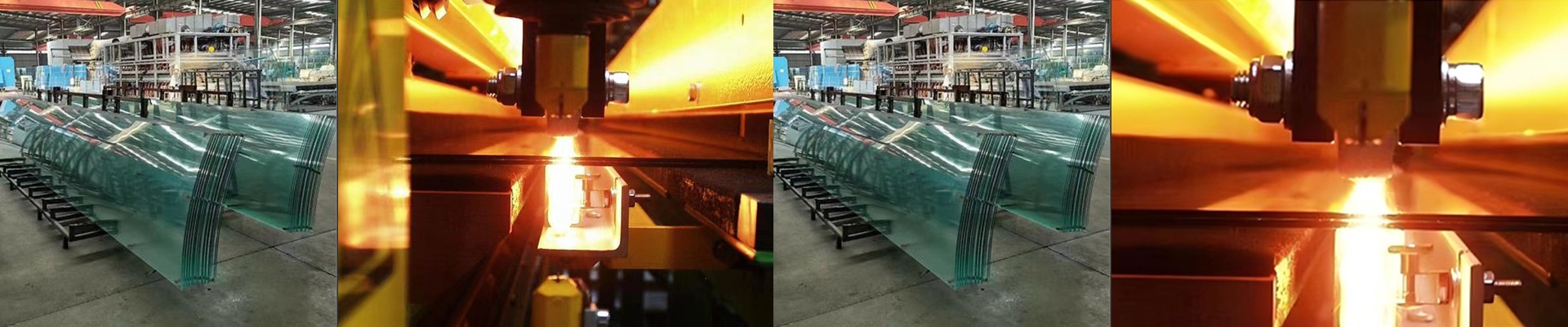
A lot of generic heaters try to cut corners here. They use basic glues or loose gaskets that look fine on a shelf but fail the moment the lamp hits peak heat. Materials shrink. They crack. A tiny gap opens up. Then the rain hits. That water reacts with the hot metal, fries the circuit, and you’ve got a dead unit. It’s a classic case of saving a few cents during assembly only to pay for it in returns and complaints later. We do things differently. We use high-temp silicone resins and compression fittings that actually move. They expand and contract along with the materials, keeping a tight, dry seal no matter how hot it gets.
It’s a Balancing Act
Waterproofing isn’t as simple as slapping on a rubber boot. You have to think about the heat flow. If you make the seal too thick, you trap the heat and literally cook the wire from the inside out. Too thin? It leaks. You need that sweet spot. A seal that’s too rigid will just snap after a few power cycles. One that’s too soft will melt into a puddle. It takes a bit of tinkering to get the flexibility and heat resistance just right for the specific wattage of the lamp.
The Reality Check
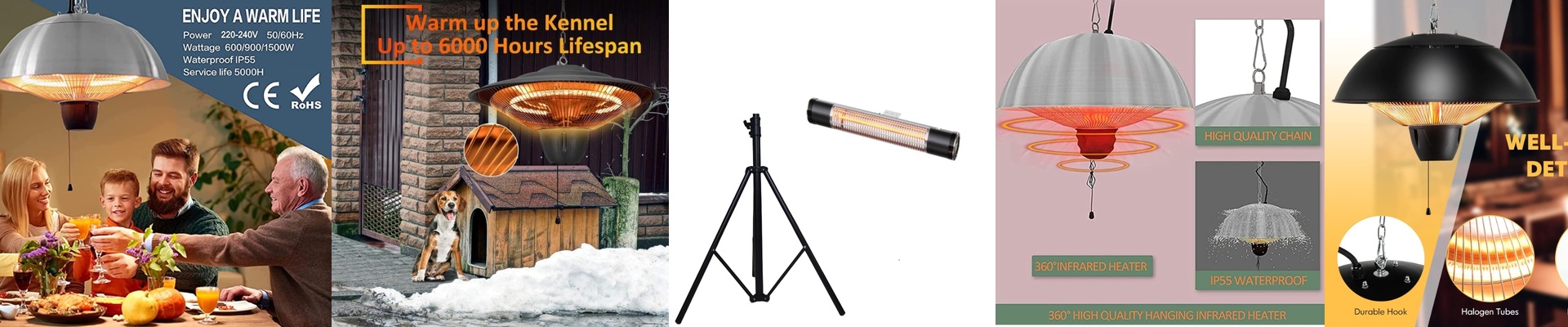
Look, using these high-spec seals takes more time. It adds a bit to the cost of each unit, and you can’t just slide this into a cheap production line without making some changes. But here’s the trade-off: you stop dealing with the field failures that kill cheap brands. Instead of your wiring degrading after one season of rain, the heaters actually last. Your maintenance headaches disappear because the guts of the machine stay dry. It’s just a better way to build things.