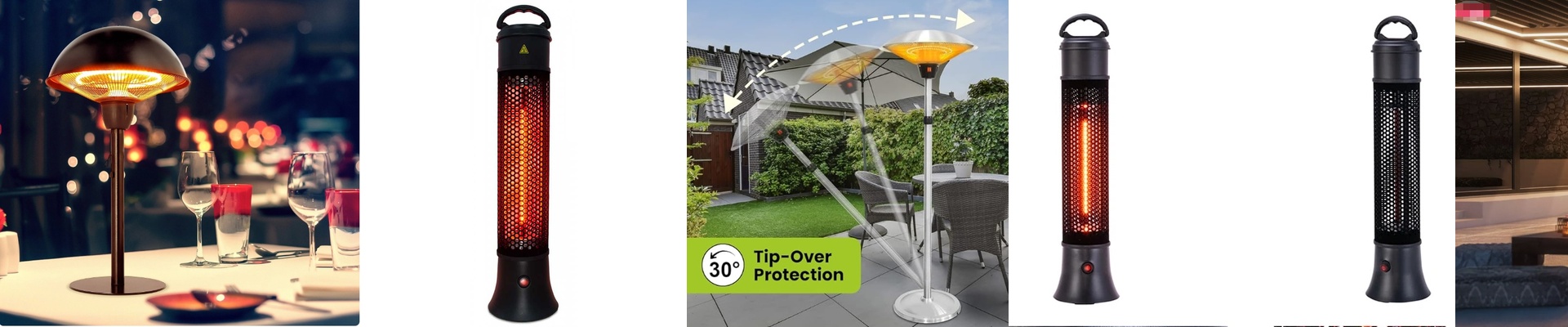
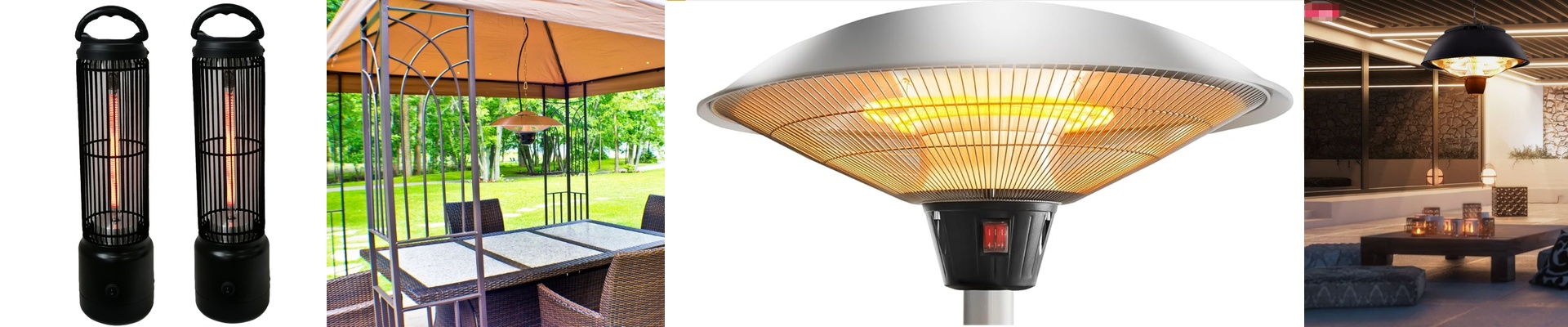
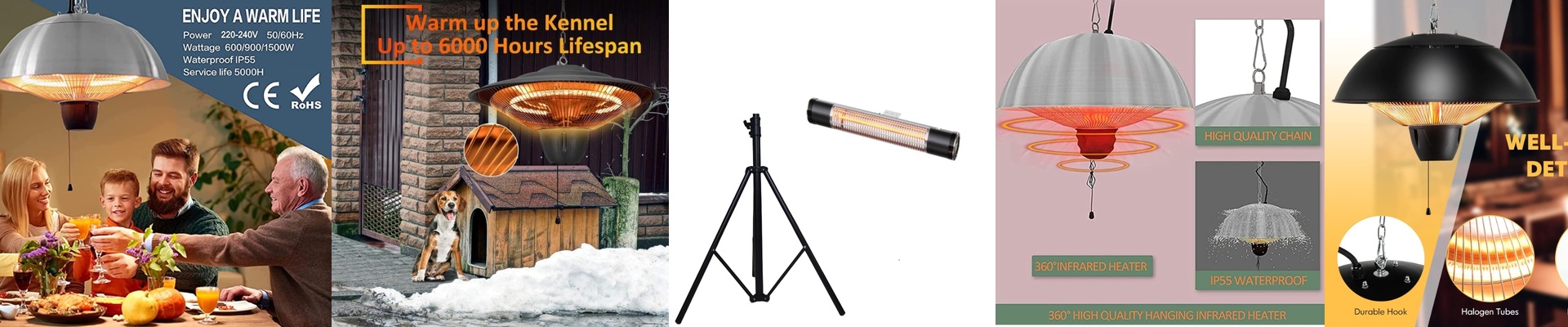
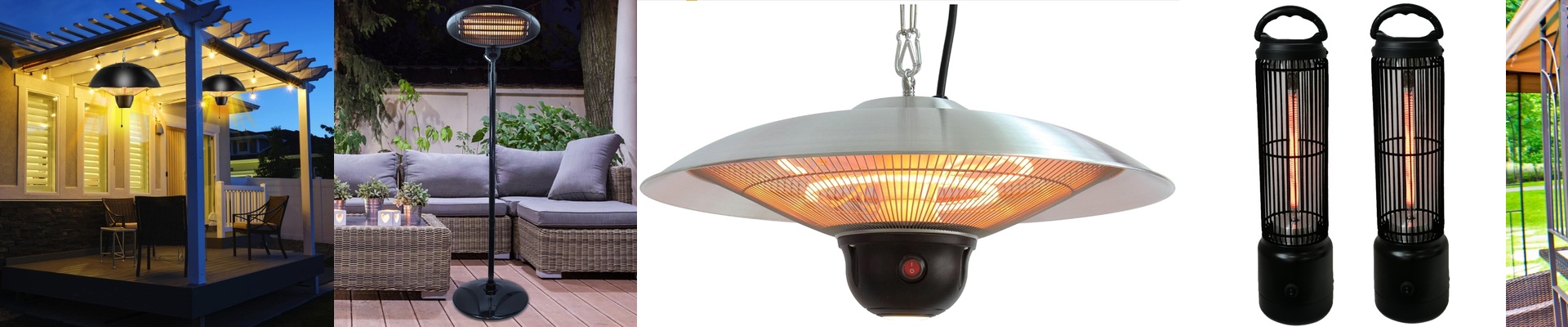
Stop the Shiver: Getting Warm in Wet Zones
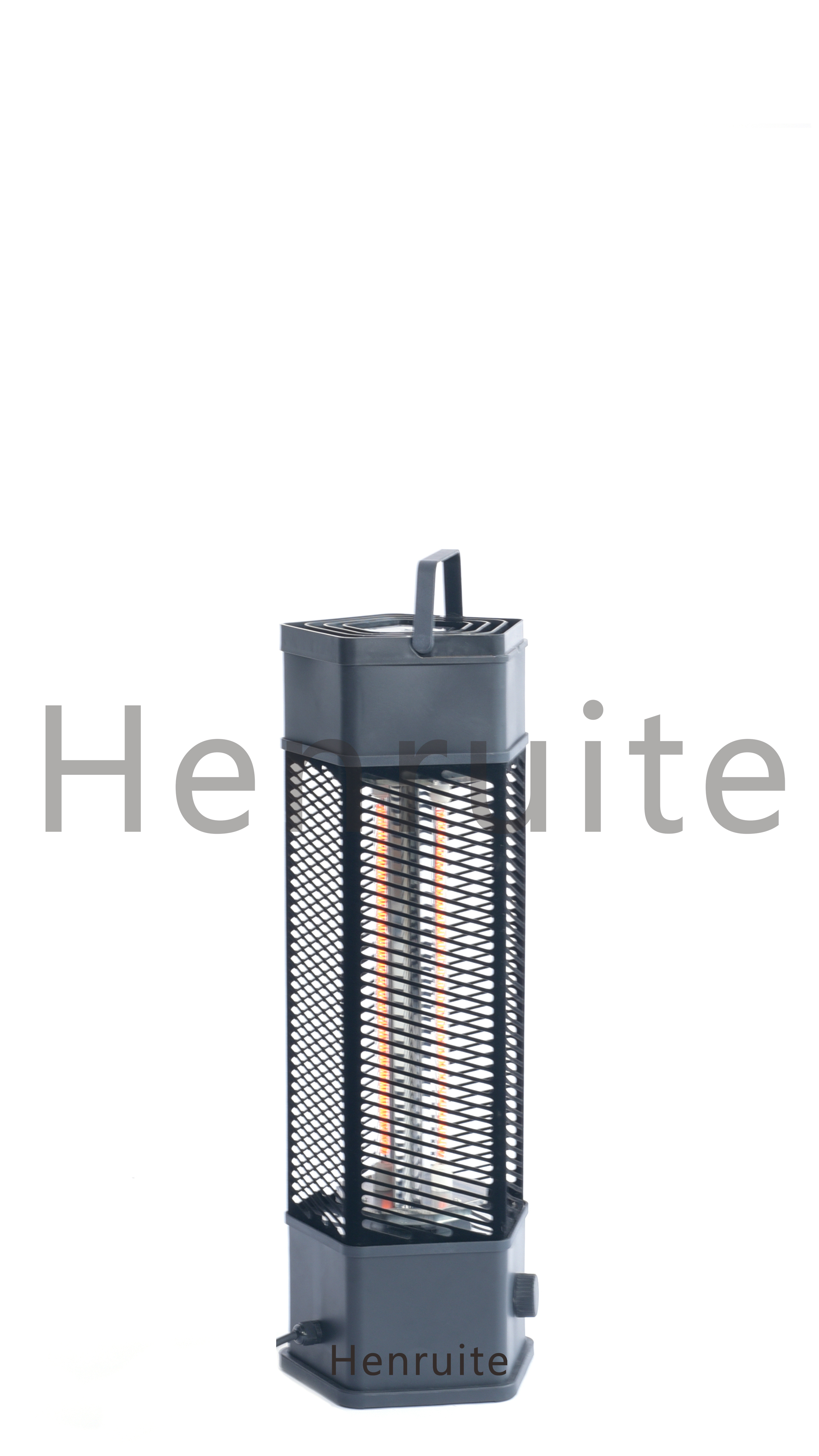
Anyone who’s ever stepped into a locker room or a spa changing area knows that specific kind of chill. It’s that damp, bone-deep cold that hits you the second you strip off your clothes. If you try to fix this with standard heaters, you’re wasting your time. Those things just try to warm up the air, and in a big, humid room, that warm air just drifts away. You’re left standing there shivering while the ceiling gets warm. That’s why we use short-wave infrared. Instead of fighting the air, it goes straight for the person. The “Instant Hit” of Heat It’s a different kind of science. Instead of blowing hot air, these units send out radiation that penetrates the skin. It feels like stepping into a patch of sunlight on a winter day. One second you’re freezing, and the next, you feel a wave of warmth hit your shoulders. We crank up the wattage density on these specifically so people feel that heat the moment they walk through the door. No waiting around for the room to “warm up.” Keeping the Water Out Now, water and electricity are a nightmare pairing. Especially in a place where people are splashing around or staff are hosing down the floors. We use IP65-rated housings to stop the chaos. In plain English? It means the units are dust-tight and can handle being blasted with water jets from any angle without breaking a sweat. We also use heavy-duty gaskets on the wiring entries. It stops moisture from sneaking into the electronics and causing a short. The heating elements themselves live inside quartz glass, sealed tight to the chassis. Even if the room is thick with steam or someone sprays the unit during a deep clean, the guts of the machine stay bone-dry. A Few Things to Watch Out For These things are powerful, but they aren’t “set it and forget it.” Since infrared travels in a straight line, you have to be smart about where you put them. If the spacing is off, you’ll end up with “cold spots” where people are still shivering. You’ve got to do the math on the throw distance based on the wattage. And a heads-up on the power: these pull a lot of current. Make sure your breakers can handle that initial surge when they kick on. One last thing—don’t overdo it. If you pack too many of these into a small ceiling, the room will turn into a sauna pretty quickly. Toss in a thermostat to keep things comfortable, and you’re golden.