

Picking the Right Infrared Heater for Your Bathroom
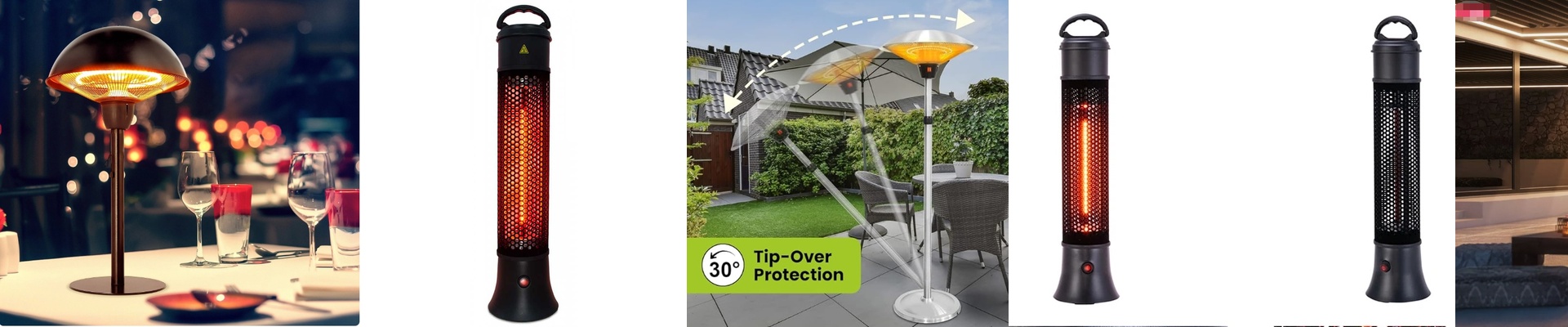
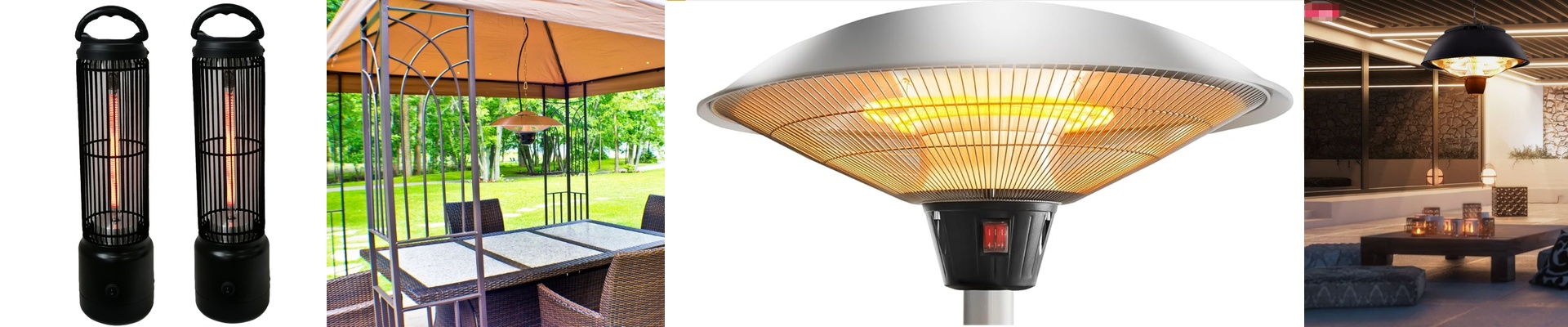
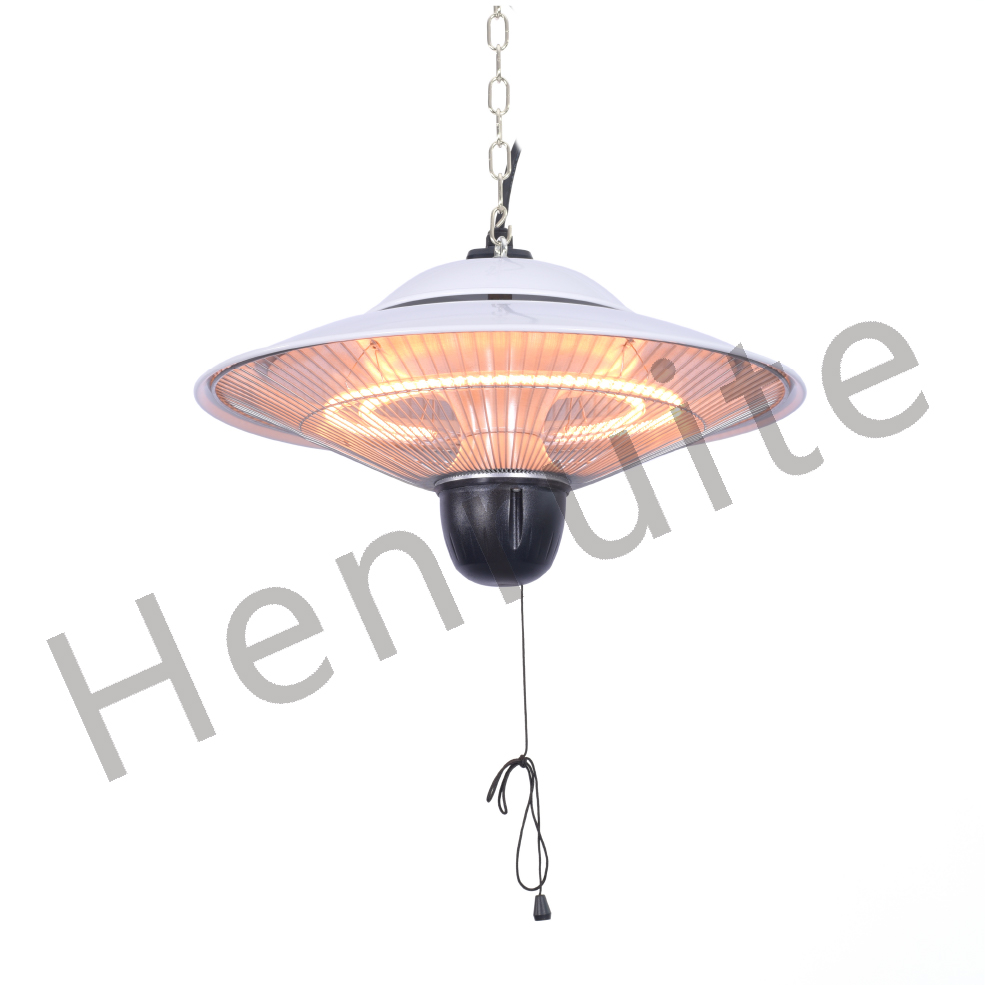
When it comes to putting an IP65 infrared heater in your bathroom, the instinct is usually to just buy the most powerful one on the shelf. But that’s actually a mistake. It’s more about finding the right balance for your space. These heaters don’t waste time trying to warm up all the air in the room; they send heat directly to you. It’s that immediate, cozy feeling the second you step out of the shower.
Getting the Power Right
You’ve got to look at the size of the area you’re actually trying to warm up. If you’re dealing with a tiny powder room (under 4m²), a 400W to 600W lamp is plenty. If you go overboard in a small space, it’ll get too hot too fast, and the safety cut-offs will just keep shutting the thing down. For your average bathroom (5-10m²), aim for 800W to 1200W. Now, if you have a massive master bath, don’t just buy one giant heater. It’s better to spread a few 1200W units across the ceiling so you don’t end up with freezing cold corners. Here’s a tip: don’t overdo it. Too much power can trip your breakers. But if you go too low, the lamp has to run constantly to keep you warm, which burns out the filament way faster.
Why IP65 Actually Matters
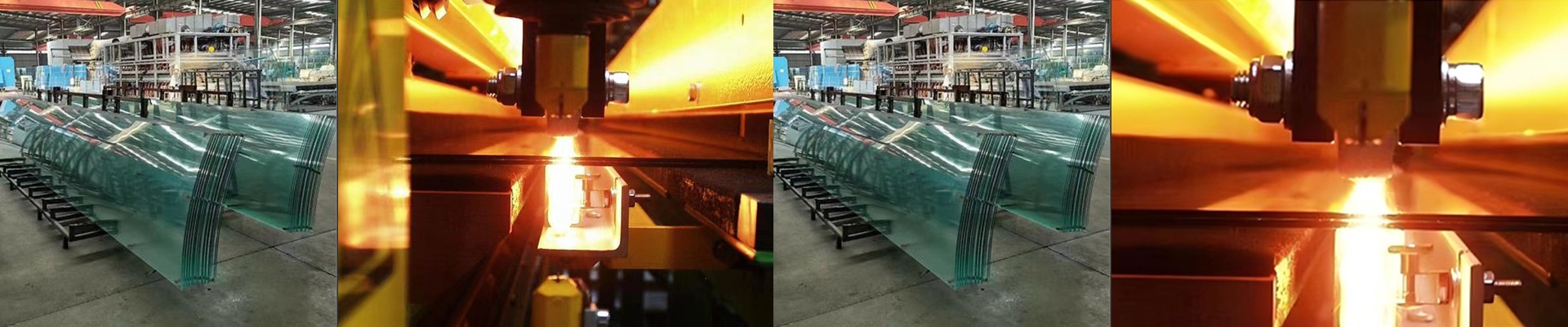
Bathrooms are wet, steamy places. That’s why the IP65 rating is a must. It keeps the water splashes and steam away from the electrics. We use sealed quartz glass and housings that don’t mind the moisture, so you don’t have to worry about short circuits. Since these use short-wave infrared, they hit you with warmth instantly. It’s perfect for those 10 or 15 minutes when you’re getting ready. Just be careful where you mount them. High-wattage lamps get intense. If they’re hanging too low, you’re going to feel it—and not in a good way.
A Quick Word on Your Wiring
Bigger lamps mean a bigger draw on your electricity. If you’re installing a couple of 1200W units, make sure your wiring can actually handle that load. If your home’s electrical panel is a bit ancient, you might want to stick with lower wattage or have an electrician run a dedicated line. It’ll save you from those annoying voltage drops.