Why Your IP65 Heaters Actually Fail (And How to Fix It)
Here is the truth about IP65 infrared heaters: they usually don’t die because the heating element gives up. It’s almost always the lead-wire junction that lets you down. When you’re pushing high wattage, that heat doesn’t just shoot forward. It creeps backward, right toward the electrical connections. That’s where the cheap stuff starts to fall apart.
The problem with “standard” seals
Most factory seals are just basic silicone or some low-temp glue. In a real-world, high-heat environment, those materials basically bake. They get brittle. They crack. Once that seal pops, it’s game over. Moisture and grime sneak right into the wire interface. I’ve seen it a hundred times—the insulation just flakes off like old paint, leaving the live copper exposed. One drop of water hits that wire, and boom. You’ve got a short circuit that can take out your entire heating array.
Doing it the right way
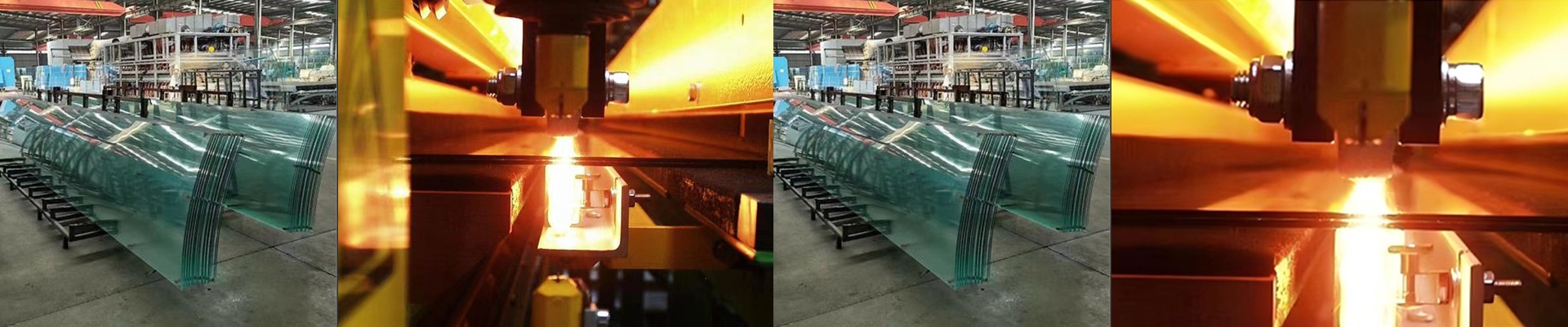
To stop that aging process, we stopped relying on simple glues. Instead, we use a multi-stage process with high-temp fluoro-elastomers or a specific kind of ceramic-epoxy potting. The trick is picking a material that expands and contracts at the same rate as the quartz or halogen tube. We’re aiming for a total seal. It has to handle the constant “breathing” of the heater—expanding when it’s hot and shrinking when it’s cool—without pulling away from the wire. If there’s even a tiny gap, a fraction of a millimeter, that IP65 rating is basically useless.
A quick heads-up on installation
There is a trade-off here. Because this sealing is so much tougher, the lead-wires are stiffer. You can’t just bend them into a sharp angle like you can with unsealed wires. If you force a tight bend during install, you might crack the seal or put too much stress on the internal filament. Just make sure your mounting brackets have plenty of room for the wire to curve naturally. Do the sealing right, and your heaters can take a beating in wet, nasty environments without the electronics frying on you.