

Introduction
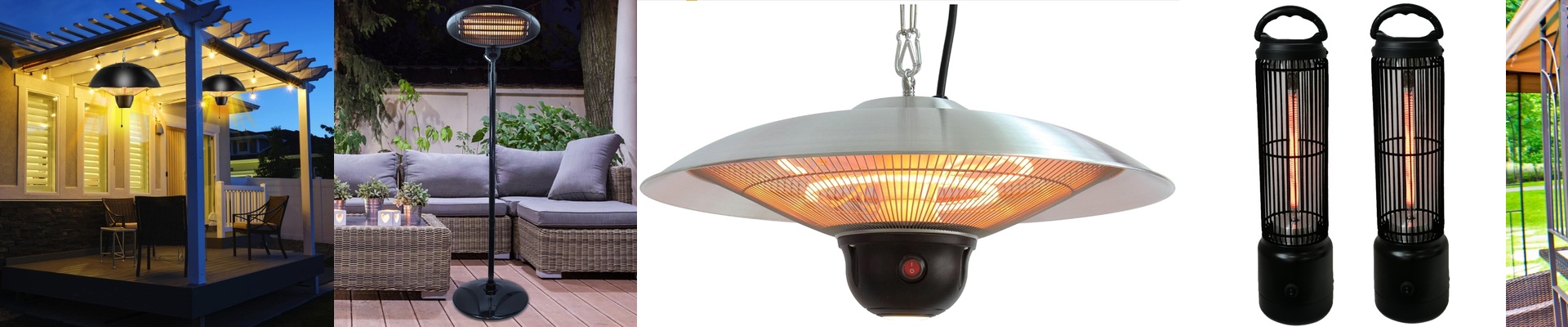
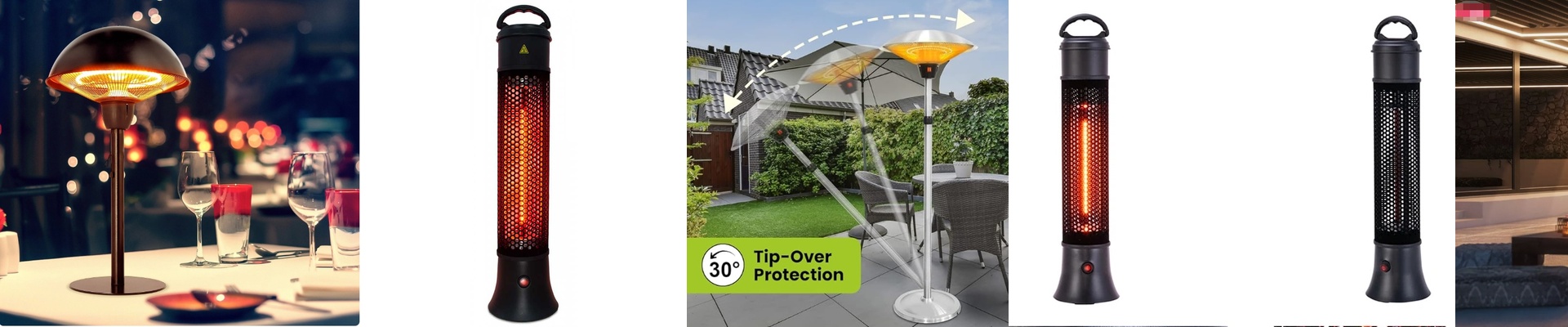
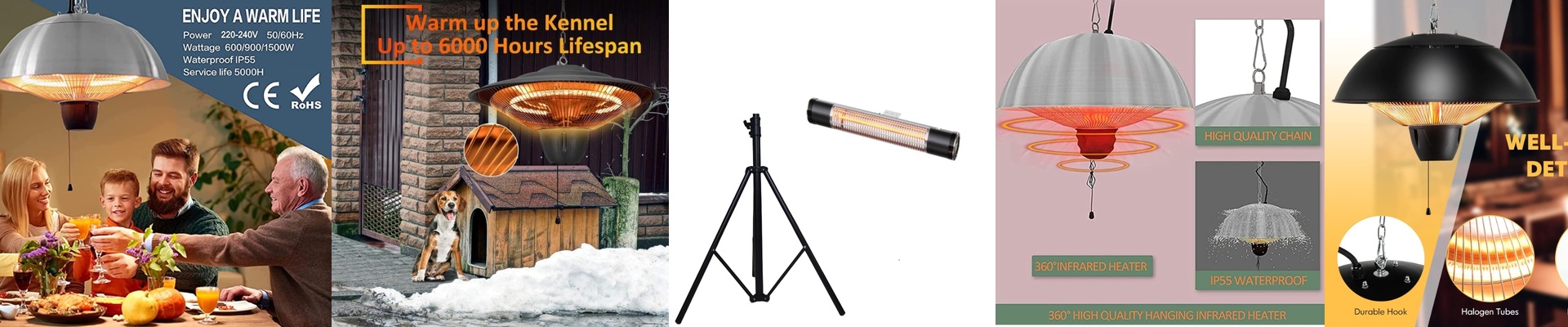
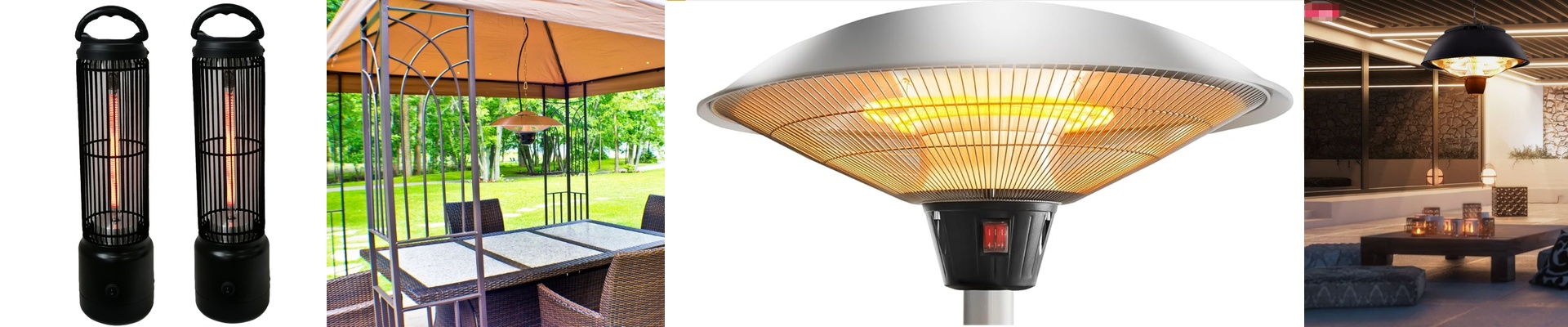
When we built this waterproof heater for pergolas, we had one thing on our minds: safety, even when the heat is cranked up. At its heart is an explosion-proof quartz infrared heating lamp. It throws out instant, focused warmth—perfect for outdoor bathing and shower zones, where moisture and trapped heat can make things tough on equipment. This isn’t some flimsy, pretty heat source. It’s a tough, purpose-built system designed to handle water, sudden temperature swings, and the kind of electrical strain that comes with outdoor life.
The Tech, Plain and Simple
Here’s the beauty of it: infrared heat warms people and surfaces directly, not the air. So you feel the comfort fast, with hardly any air movement. That’s a big deal for open pergolas, which can lose heat as quickly as you make it. We keep the warmth right where you need it. And that explosion-proof housing? It’s there for peace of mind. If a component were to fail, the enclosure contains any sparks or arcs. No ignition. Just safety for the space around it.
The Build That Takes a Beating
Quartz glass is the key here. It handles rapid temperature swings far better than standard glass, so it doesn’t crack when the lamp cycles on and off—something outdoor heaters do all the time. Inside, the halogen capsule runs hot, giving you that stable, shortwave infrared output. A protective coating on the tube keeps surface temps in check, preventing hot spots and keeping the whole thing intact. We also chose industrial-grade connectors—R7s and SK15. They lock in place, handle vibration, and give you a rock-solid electrical connection. The waterproof seals at the joints keep water out, even under direct spray. So when you wire it up, you can trust it to just work.
Where It Shines (And What to Keep in Mind)
This setup is ideal for pergola showers and bathing areas. You get a lot of heat in a small footprint, and the lamp kicks on instantly—no waiting around. It’s a breeze to fit into existing fixtures, and the sealed build laughs in the face of high humidity. Now, the trade-off: at 2500W, it needs a circuit that can handle the load. You’ve got to make sure there’s enough cooling and ventilation around the unit so it doesn’t overheat. Spec the wiring, fusing, and mounting to match the wattage, and you’ve got a system that will run reliably, season after season.