Why we build our IP65 heaters to be fixed, not tossed
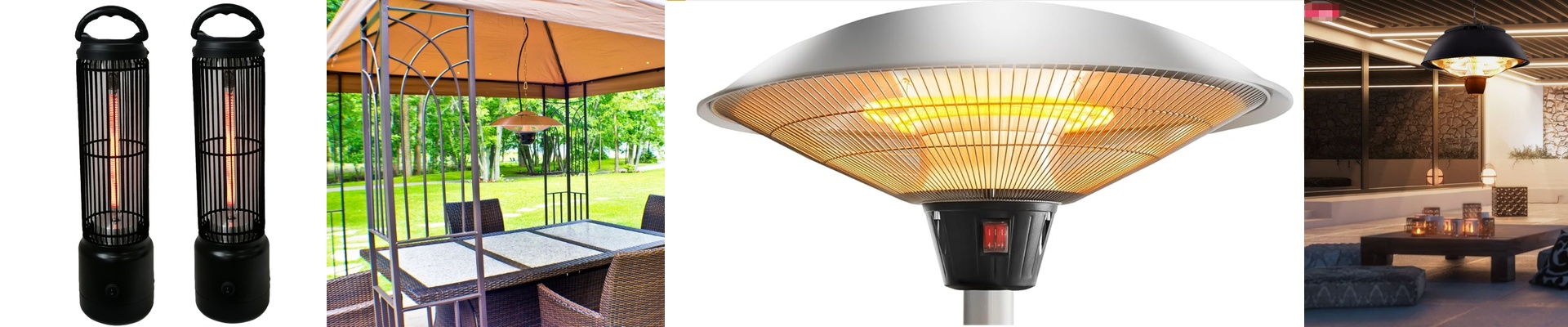
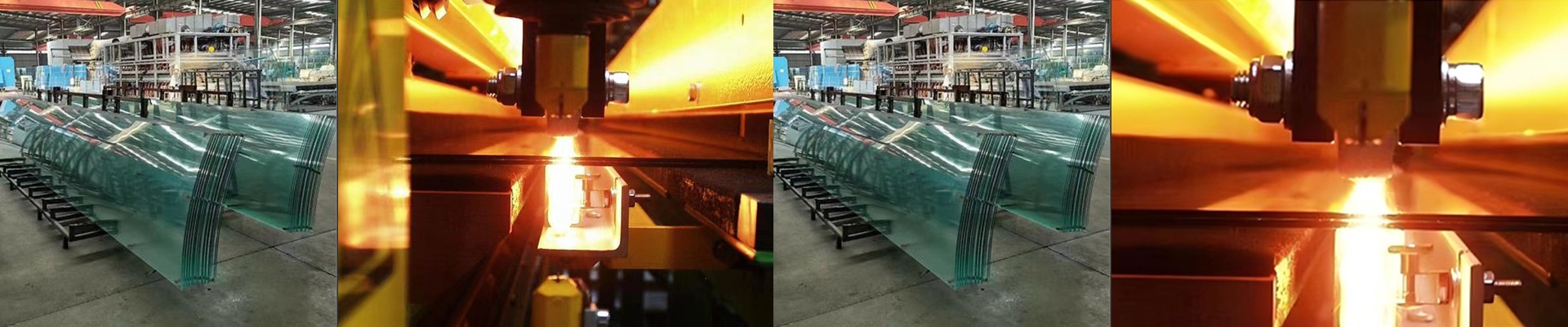
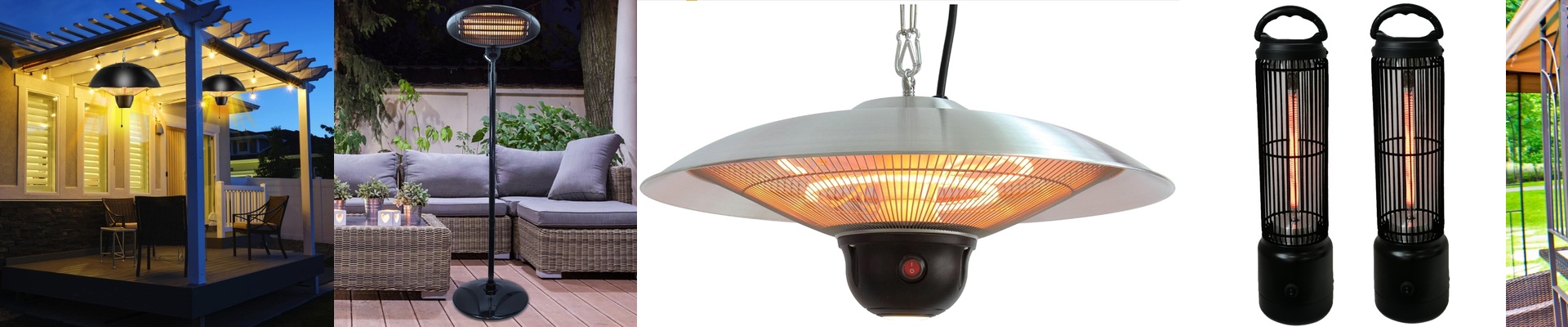
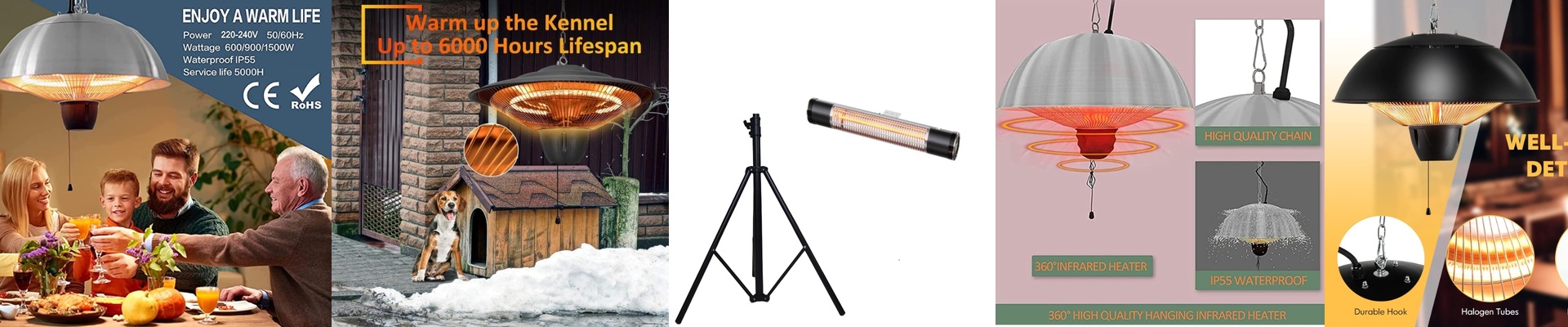
Let’s be honest: the outdoors are brutal. Between the humidity, the dust, and those wild temperature swings, heating elements eventually give up the ghost. We’ve seen it happen a thousand times. That’s why we didn’t want to build another “disposable” heater. Most brands seal their elements inside the chassis to hit that IP65 waterproof rating. It looks great on a spec sheet, but it’s a nightmare in the real world. Once the tube burns out, you’re basically owning a very expensive piece of scrap metal because you can’t get inside to fix it. We did things differently. The “Swap-and-Go” Approach We built our units with a modular setup. Instead of a permanent seal, we use a detachable heating module. Here’s the best part: you don’t have to tear down the mounting brackets or mess around with the main junction box just to replace a part. We used standardized connectors and slide-in rails. When a tube finally hits its limit, you just pop the gasket, slide the old module out, and drop a new one in. It turns a grueling afternoon of electrical work into a five-minute job. The Trade-off Now, there’s a catch. Making a seal that is both waterproof and easy to open is a bit of a headache to engineer. To make it work, we use heavy-duty silicone gaskets and locking clamps. Does this make the heater a little bulkier? Yeah, it does. But we think that’s a fair trade. You get a slightly larger footprint in exchange for a product that doesn’t end up in a landfill just because one piece of glass failed. We use high-intensity shortwave tubes because they provide that instant, cozy heat we all love. But that kind of power takes a toll on the quartz glass over time. It’s just physics. So, we made it easy to maintain. Wire it up once, enjoy the warmth, and the only thing you’ll have to worry about for the next five years is a quick tube swap.