
Making Outdoor Heat Actually Work (Without the Headache)
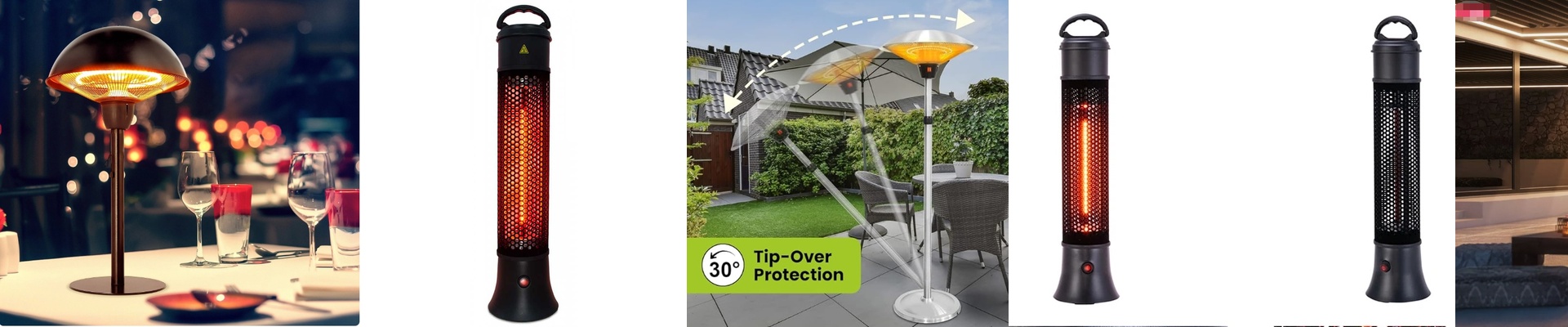
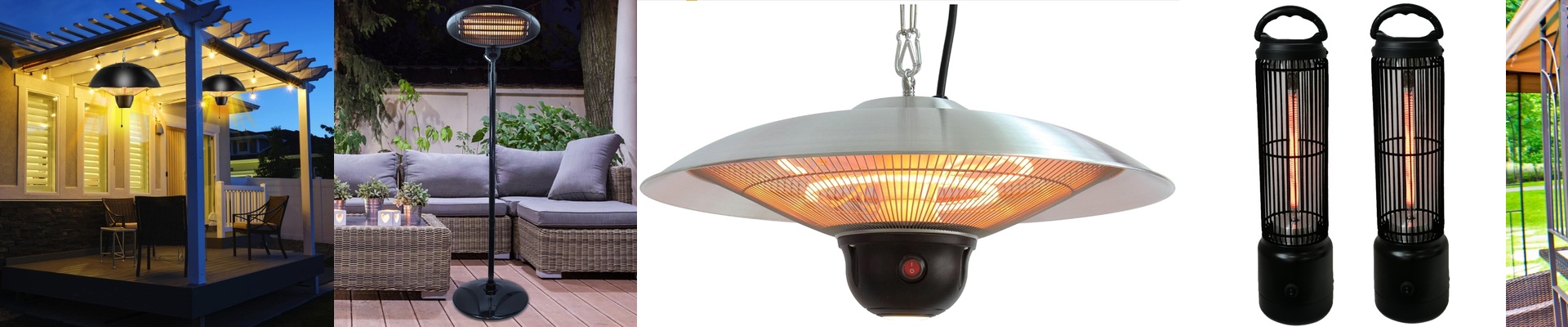
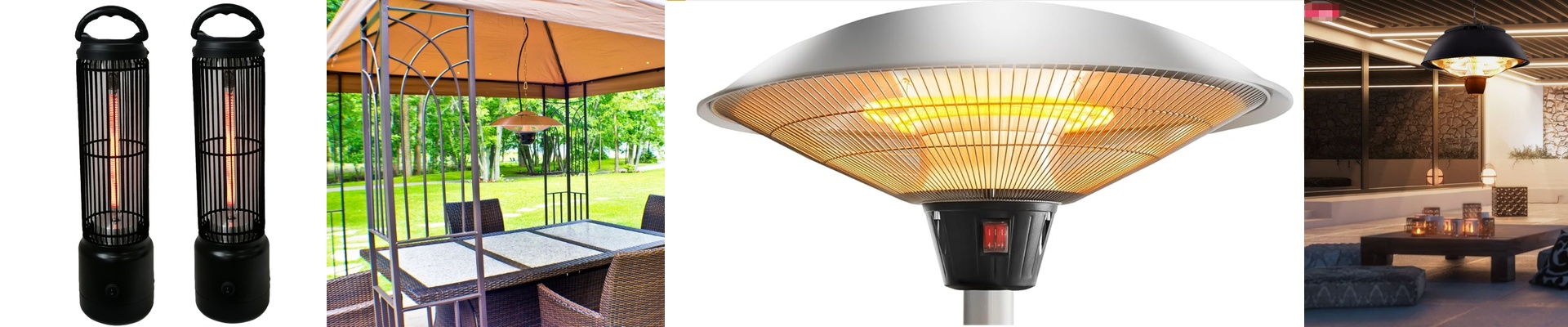
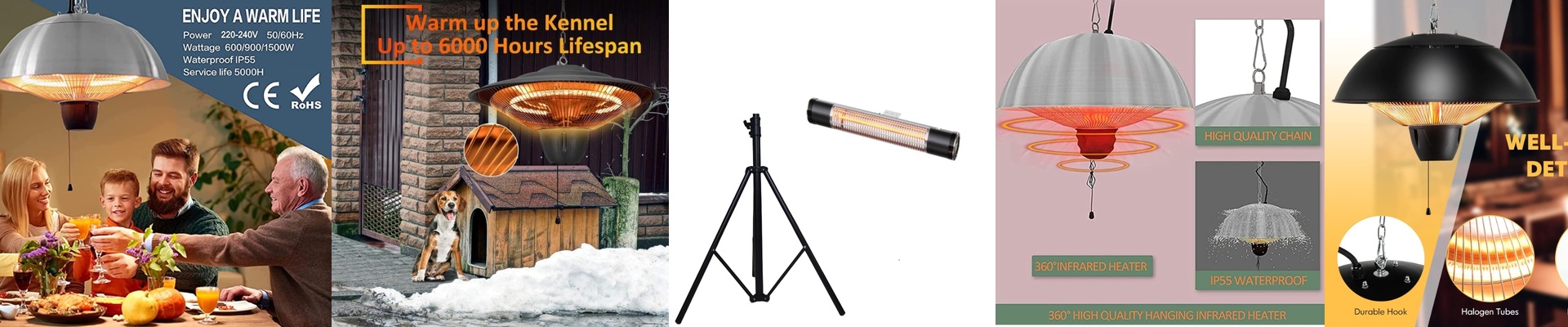
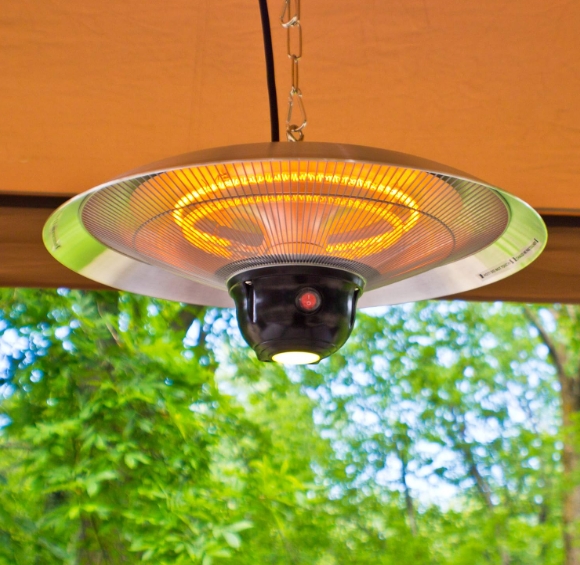
Let’s be honest: heating a patio or a deck is a pain. You’re fighting the wind, the rain, and that annoying chill that hits the second you step outside. We built our IP66 infrared heaters to handle exactly that. The “IP66” part is just a fancy way of saying you don’t have to baby these things. They’re sealed tight against dust and can take a direct hit from a heavy rainstorm or a powerful jet of water without shorting out. You just mount them and forget about them. Heat that doesn’t make you wait Most heaters try to warm up the air around you. The problem? The wind just blows that warm air away. These units work differently. They use shortwave infrared, which means the heat goes straight to your skin and your clothes. It’s like stepping into the sun. When you hit a button on your phone, the tungsten filament glows and you feel the warmth in seconds. No waiting twenty minutes for an oil radiator to wake up. It’s just… on. Getting them to “talk” to your house Making these work with a smart home is pretty straightforward. We use Zigbee or Wi-Fi modules that act as the bridge between your app and the heater’s power. Once they’re wired into your 220V-240V circuit, you can get creative. You could set a schedule, or better yet, pair them with a temperature sensor. Imagine your patio heaters kicking in automatically the moment the air drops below 15°C. You don’t even have to get off the couch. A quick warning on the wiring Here is the part where people usually mess up. These heaters pull a lot of power. If you try to run a bunch of them through one tiny smart relay, you’re probably going to fry the switch or trip your breaker. It’s just too much current for a small chip to handle. Our advice? Use a heavy-duty contactor to do the heavy lifting of the power switching. Use the smart module only as the “trigger” to tell the contactor when to flip. It keeps your expensive smart electronics safe and ensures your heaters don’t go dark right when you need them most.