
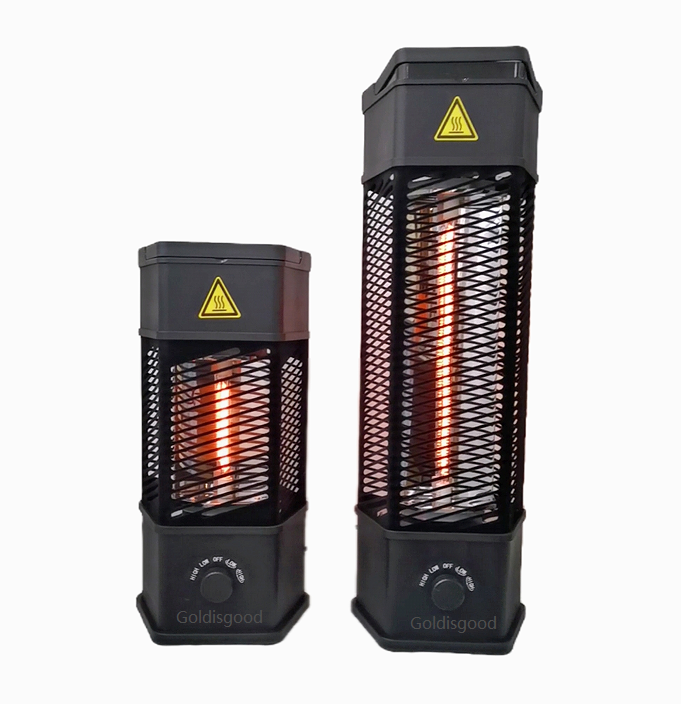
Why IPX5 Waterproofing Actually Matters for Your Infrared Heaters
Water and dust are basically the natural enemies of industrial infrared heaters. It’s simple: moisture hits a scorching hot quartz tube or leaks into the electrical terminals, and suddenly you’re dealing with a short circuit or a cracked lamp. It’s a headache nobody needs. That’s why we built our heaters with an IPX5 rating. We wanted to stop those failures before they even start. What does IPX5 actually do for you? In plain English, it means the unit can take a hit from low-pressure water jets coming from any direction. We didn’t just slap a cover on it; we sealed the chassis and used heavy-duty gaskets around the heating elements. This keeps splashes and mist away from the wiring. Here’s the real kicker: in humid shops, moisture doesn’t just fall—it condenses. It clings to the surface and slowly creeps into the connection points. That’s usually how you get those premature burn-outs. Our design keeps the guts of the machine dry, even when the air is thick with steam. Dealing with the heat Waterproofing isn’t just about rubber seals, though. It’s about how the materials react. Imagine a drop of water hitting a tube that’s 500°C. That instant, localized cooling creates a massive amount of stress, and snap—you’ve got a fracture. To fight this, we use high-grade quartz and specific coatings. Plus, the housing is shaped to steer moisture away from the hottest zones. The reality of the shop floor Now, full disclosure: there’s a trade-off. Because the housing is sealed tight, it traps more internal heat than those old open-frame heaters. You can’t just tuck these into a tight corner and forget about them. You’ll need to make sure there’s enough airflow around the outer casing so the control board doesn’t get too hot. But if you’re running a wet-process line or a wash-down area, this rating is your baseline. It’s the difference between a part you have to replace every six months and a piece of gear that just stays put and works. Stop wasting time and money replacing burnt-out lamps. Just go with a sealed system.