Fixing those annoying cold spots in complex glassware
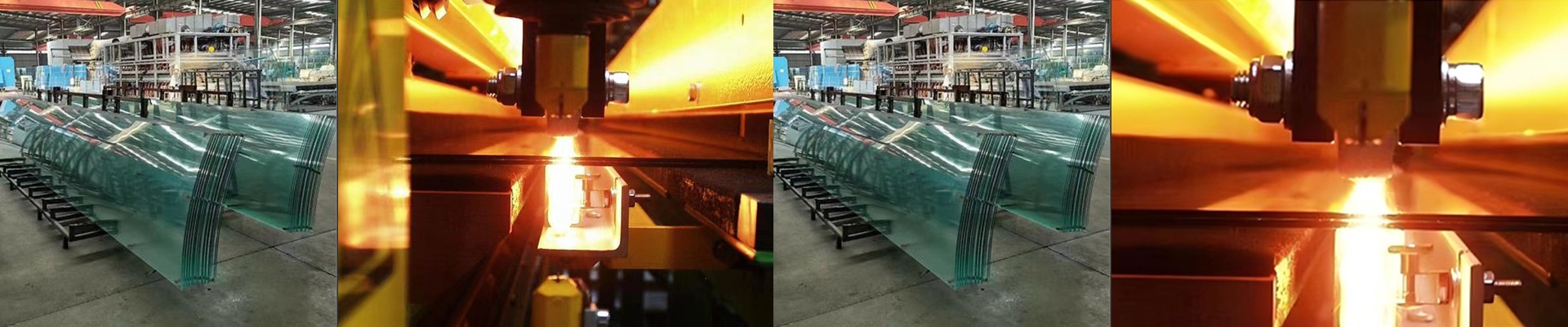
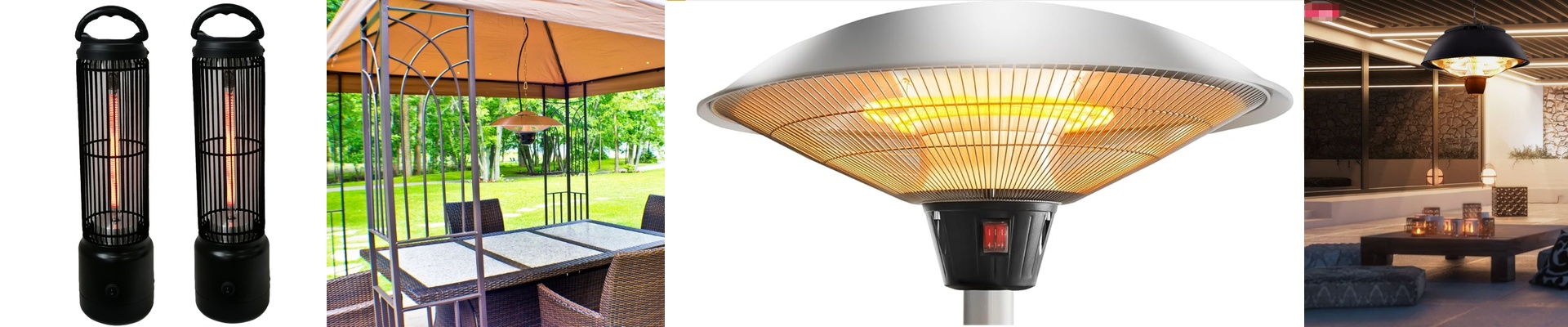
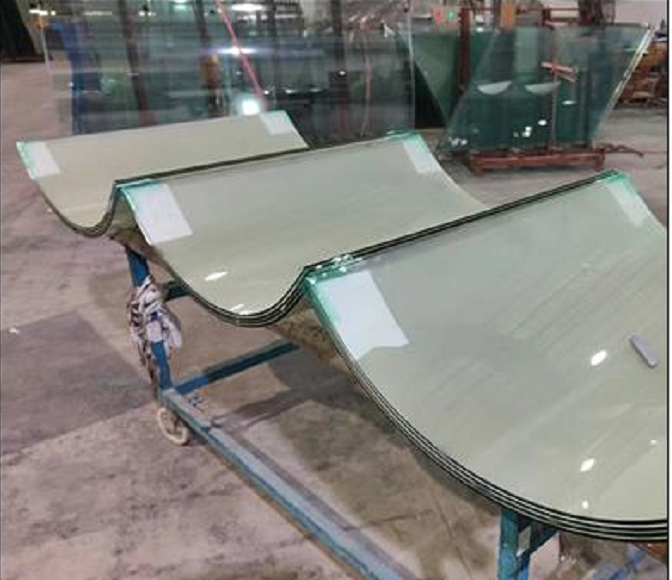
If you’ve ever worked with flasks or narrow-neck vials, you know the struggle. You put them in a standard convection kiln, everything looks fine, and then—crack. It happens because of “dead zones.” Basically, the hot air just can’t reach every nook and cranny of a weirdly shaped piece of glass. You end up with internal stress and breakage that ruins your day. We figured out a better way. Instead of praying the air moves correctly, we use high-density infrared (IR) heating arrays to hit the glass directly.
Getting the heat where it actually needs to go
You can’t just slap one heat source in there and call it a day. To cover a complex shape, you need a multi-angle attack. We use shortwave IR lamps. The cool thing about shortwave is that it actually penetrates the glass. It soaks deep into the thick base of a vessel without scorching the thin walls. By tweaking the angle and spacing of the lamps, we can hit those “shadow” areas where hot air usually gives up.
The trade-off: Power vs. Heat
To keep things at the right annealing point, you need intensity. We use high-wattage quartz lamps because they react fast. It’s a quick ramp-up, which is great for your timeline, but it puts a lot of pressure on your power setup. Here is the catch: if you pack high-wattage tubes into a small space, your control cabinet is going to get toasted. You need oversized heat sinks. If you skimp on that, your switching relays will just fry from the ambient heat. Not a fun way to spend a Tuesday.
Keeping it precise (and easy to fix)
We don’t just blast the whole chamber with one temperature. We use zoned PID controllers. This means you can pump more power into the heavy base and dial it back for the rim. It keeps the glass from warping and saves you a lot of headaches. Plus, we use standard connectors. When a tube eventually hits its end-of-life, you just pop it out and drop in a new one. No drama. The whole logic is simple. Stop fighting with the air. Just send the heat straight into the material.