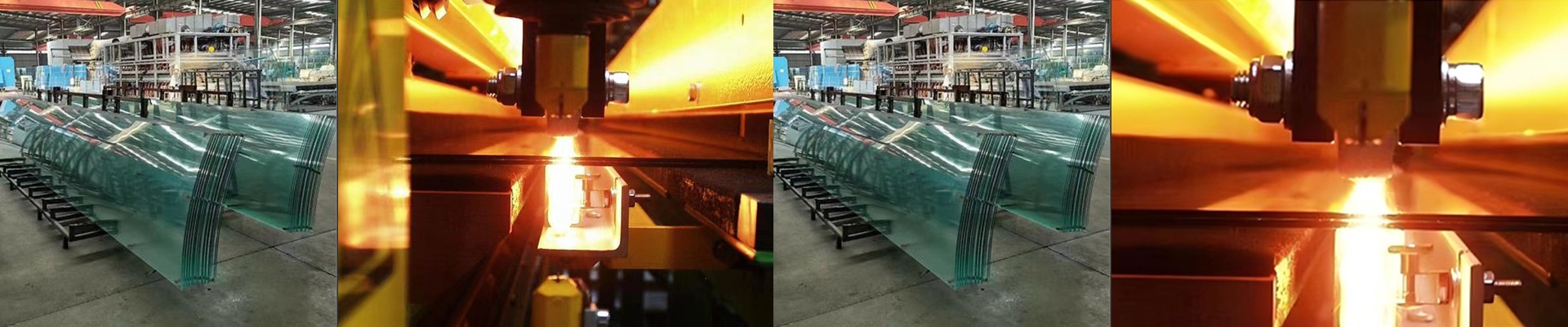
On the fusing line, you know the feeling. The oven throws heat unevenly, and you start seeing stress marks, weak seals, and too many rejects after the quench. Convection can’t keep up, and every minute spent reworking is a minute you can’t get back on the schedule. What we built, technically We set up the infrared heating modules with short-wave quartz emitters, tuned to the absorption curve of glass. Response is fast—full power in seconds, no warm-up drift. That gives you a stable, repeatable thermal field across the whole fusing zone, with tight control on peak glass temperature. Power density is matched to line speed, and the emitters run on standard industrial voltages, so you don’t have to rewire the supply. Why it sticks on the fusing line Fusing needs uniform heat to keep thermal stress fractures from showing up while the glass moves through the softening point. Infrared puts the energy straight into the glass, not the air around it, so the process is less sensitive to airflow and ambient swings. Cycle times come down because the heating zone hits setpoint quickly, and temperature stability lifts yield by cutting edge defects and bubbles. Energy use drops because you’re not fighting convection losses. What to keep in mind Installation is straightforward. We ship drop-in replacement geometry and mounting interfaces that fit common glass machinery brands. Your existing controls integrate without a redesign, but you have to match the emitter layout to your specific glass thickness and coating stack—emissivity and reflectivity shift the heat balance. Plan for clean power and proper cooling; infrared emitters run hot, and stable voltage keeps output consistent over long shifts.