Getting Borosilicate Annealing Right with IR Control
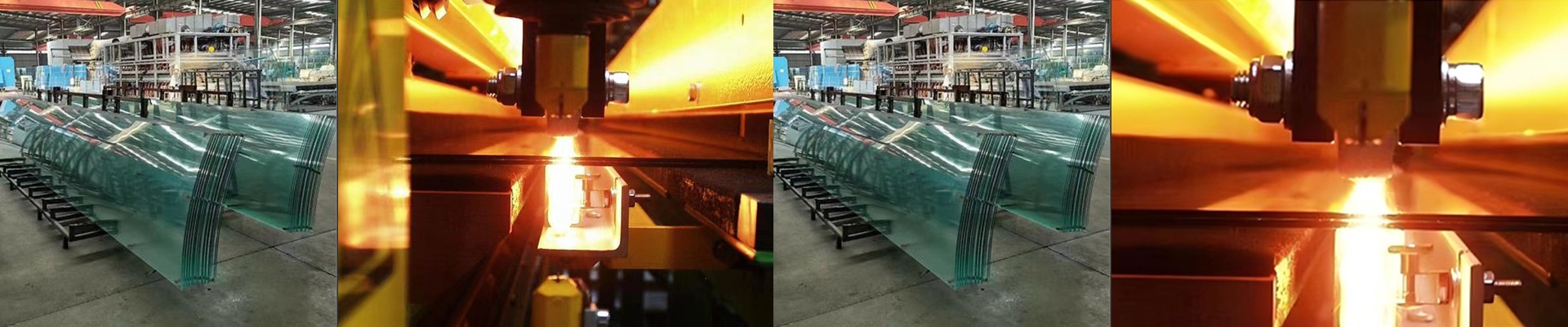
Ever had a piece of lab glassware just… explode? Maybe it happened during a sterilization cycle or while you were pulling a vacuum. It’s a nightmare. Usually, it happens because the glass has internal stress trapped inside it—basically, the inside and outside cooled at different speeds, and the glass just couldn’t take the tension anymore. That’s where high-precision infrared (IR) lamps come in. They help the glass move from that soft, plastic state to a solid state without locking in those hidden stresses.
Why 0.1°C Actually Matters
Here’s the thing: annealing isn’t about blasting the glass with heat. It’s all about how you let it cool down. If your temperature swings by even 2°C, you’re in trouble. You might overshoot the annealing point or cool the piece too quickly. Borosilicate is finicky; it has a tiny window where the stress actually lets go. We aim for a 0.1°C tolerance. Why? Because if the outer skin “freezes” while the core is still molten, you’ve just built a ticking time bomb. Keeping the temperature steady across the whole piece is the only way to stop those fractures before they start.
The Gear (and the Gotchas)
You can’t just plug these lamps into a basic on/off switch and hope for the best. You’ll need high-frequency PID controllers and thermocouples that react fast. I usually go with short-wave IR lamps. They’re great because the energy actually sinks deep into the glass wall. Long-wave radiation mostly just hits the surface, but short-wave heats the whole volume. Just a heads-up: you’ll need a beefy power supply to handle all that rapid switching. And watch your ventilation. These lamps get incredibly hot. If your housing isn’t vented, the heat will soak into everything, your sensors will start drifting, and there goes your 0.1°C precision.
Making it Work in the Real World
I like to wire these lamps into a multi-zone array. This ensures the neck and the base of the vessel heat up at the same rate. When you’re setting this up, make sure the lamp wattage matches the mass of the glass. If you go too heavy on the power, you’ll get “hot spots” that ruin the whole batch. But if you go too light? Your cycle times will drag on forever, and you’ll lose money. It’s all about finding that sweet spot.