
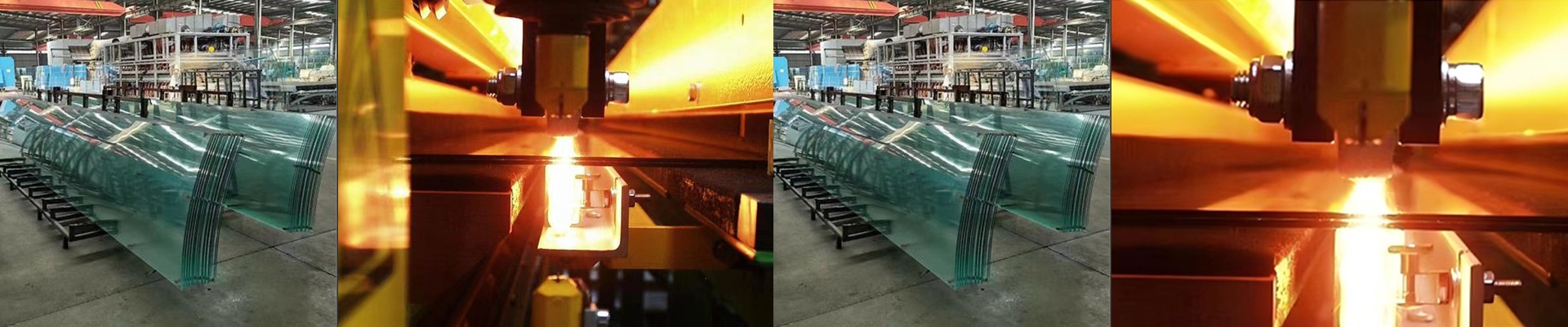

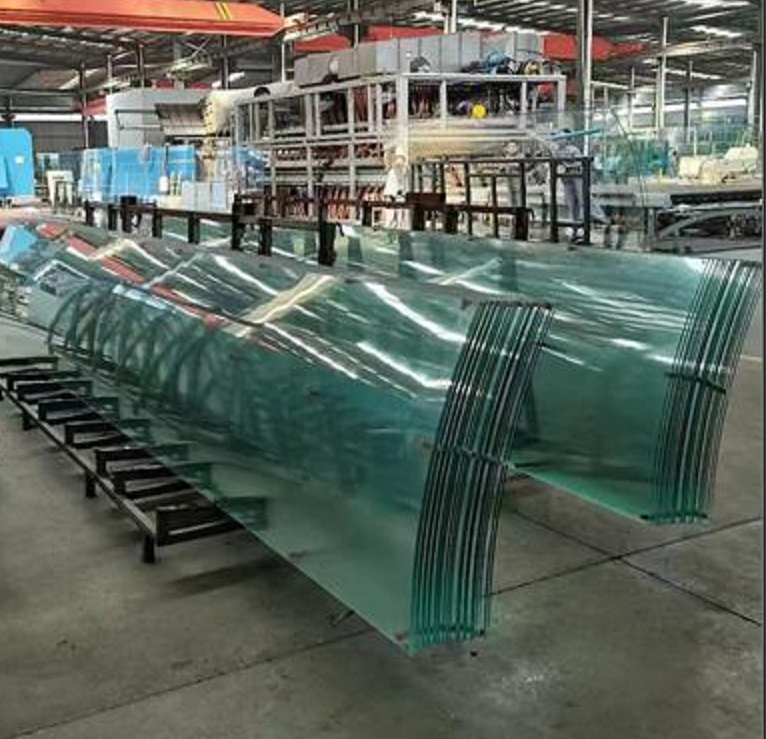
On the glass line, heat isn’t just a setting—it’s the heartbeat. If the furnace doesn’t snap to setpoint fast, tempering cycles drag and you start seeing optical distortion, especially on the bend. If lamination dwell gets stretched just to keep output moving, throughput slips and adhesion starts to feel like a gamble. We built our industrial quartz infrared heaters to keep pace with glass, not fight it. What matters, technically These heaters lean on short-wave infrared from quartz tubes, dumping heat straight into the glass surface with very little convection. The response is measured in seconds, not minutes, so you hit setpoint quickly and hold it tight. The radiant field lays down even coverage across the load, which helps keep thermal stress in check and lowers the odds of hairline fractures during tempering and bending. They run on standard industrial voltages, and the modular footprints are designed to drop into common oven and furnace spaces—swaps are clean, without re-engineering the line. Why it sticks in real processes In tempering, that fast ramp shortens the thermal cycle and keeps the quench consistent—arc stability improves, and optical quality follows. In lamination, quick heat-up tightens the dwell window, which keeps polymer flow steady and edge bond integrity solid. For coating drying and insulating glass sealing, even, controlled heat cuts down on blisters and pinholes while keeping the line moving. And you save energy because heat is delivered on demand, not wasted on heating up big volumes of air. Here are the practical notes Quartz infrared works best with direct line-of-sight to the target. Shadows from fixtures or hardware create cold spots, so positioning and reflector geometry matter. Keep the tube surface clean—dust and condensate buildup drop output and drift the temperature profile. Before installation, verify mounting clearances and terminal temperature limits to avoid hot spots and keep operation safe and repeatable.