Introduction
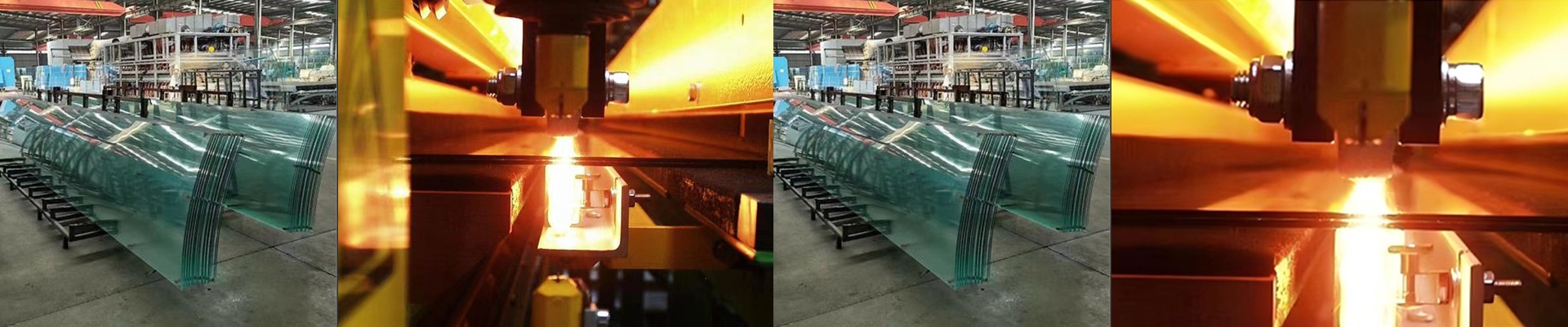
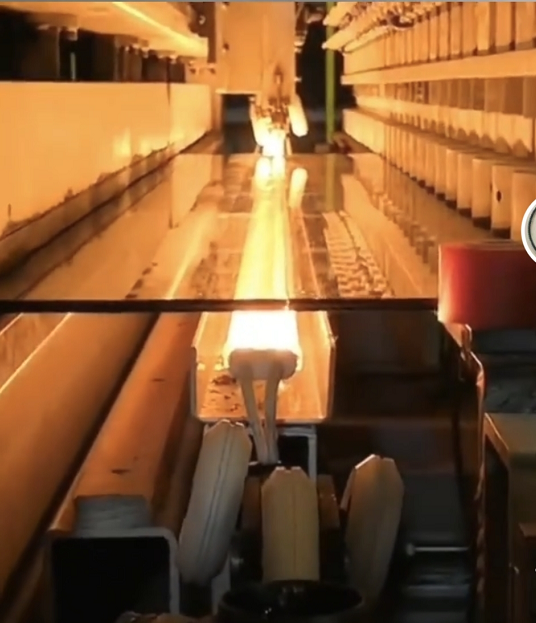
We built these short wave infrared heating tubes for one reason: to preheat glass before cutting. Plain and simple. The whole point is to stop edge chipping and cut down on wasted material. This isn’t about warming a room. It’s about hitting the exact spot where the score line will go, with the right heat, fast. So the glass breaks clean, every single time.
The Nitty-Gritty: Power, Voltage, and Shape
These tubes are all about packing a lot of heat into a small space. A typical unit runs at 2500W, on a 400V supply. That voltage choice is smart. It keeps the current lower, which means you can use thinner wiring and not worry about voltage dropping off over long runs. The power is concentrated into a compact tube, so you can get the heat source right where you need it—close to the glass—without having to tear apart your whole machine. And the length of the tube? Not random. A 300mm tube, for example, gives you a predictable heating zone. Match that zone to the glass thickness and the scoring setup, and you get even preheating with no hot spots. Just steady, repeatable heat, every time.
Inside the Tube: Halogen, Quartz, and a Solid Connection
At the heart of it is a halogen-filled element, tucked inside a quartz tube. The halogen cycle keeps the filament stable, so the output stays consistent over time. The quartz tube lets the infrared energy pass through efficiently and handles those rapid temperature swings without cracking. We use R7s connectors because they hold the tube tight and make sure the electrical contact is solid. They’re a proven industrial standard—easy to wire, easy to swap out on the line. And the design is made to drop right in. You don’t have to re-engineer your equipment just to upgrade how you heat the glass.
What It Feels Like on the Floor: Cleaner Cuts, Faster Work
Preheating glass with short wave infrared eases the thermal stress right at the score line. The surface heats up quickly, creating a controlled temperature gradient. Then when you score and break, the glass gives way predictably. Edge chipping drops. It also speeds things up. You’re not waiting for the whole sheet to even out. You’re only heating the cutting zone. Now, there is a trade-off. High heat density means you need proper cooling and shielding. Keep the environment in check and orient the tube correctly, and the process settles into a steady rhythm you can rely on, day after day.