Why a tiny 0.1°C difference in a gold-coated IR lamp keeps your lab glass from cracking
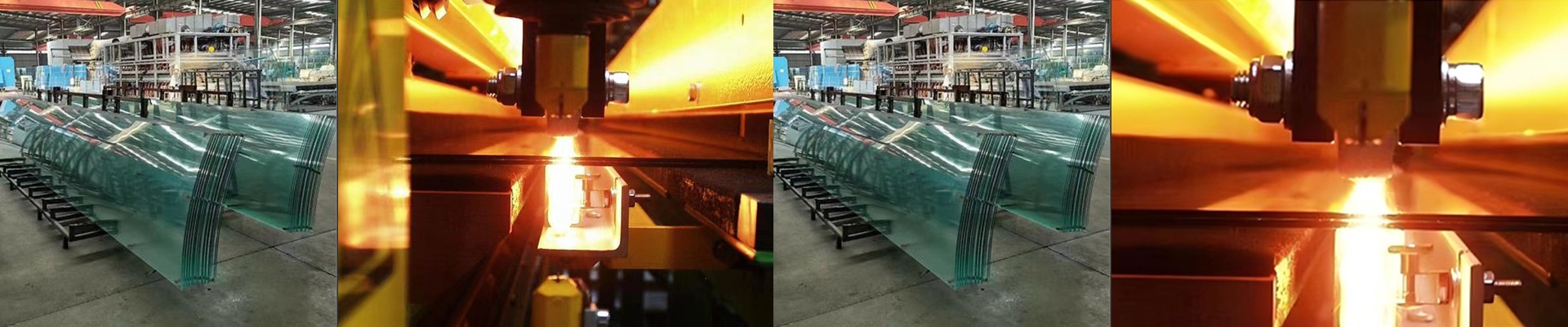
Here’s the reality in the lab: stress fractures in glass aren’t just a possibility—they’re basically guaranteed if your heat isn’t rock-solid. We built this gold-coated infrared lamp for exactly that pressure: lab-grade glass annealing, where keeping a calm, even temperature across the glass is the whole game.
Power, voltage, size—kept simple
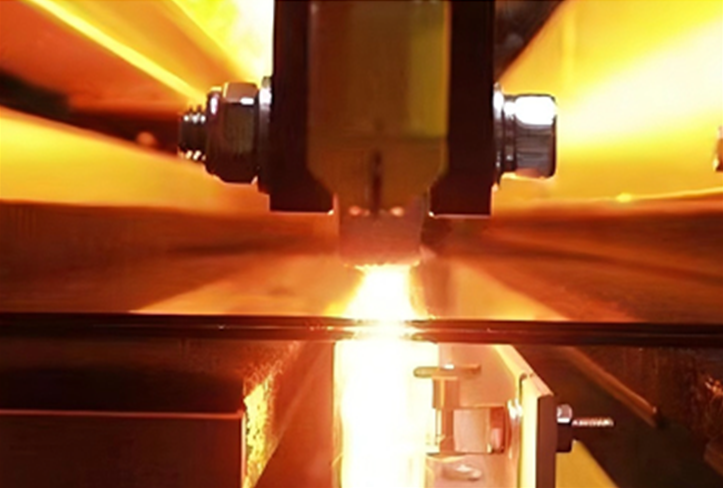
You need serious heat in a small footprint, and that’s what you get. The magic behind the 0.1°C control? The lamp reacts fast and holds steady. No wild swings, no guesswork. Hook it up to a compatible controller, and it just lands on setpoint and stays there. The shape matters, too. A shorter, focused tube puts the heat where you need it most—right on that joint or tricky curve that always wants to crack. It’s not about blasting the glass. It’s about hitting the right thermal soak, holding it, and then cooling down smoothly so you never invite thermal shock.
Why the gold coating and quartz body are worth it
That gold coating isn’t for looks. It reflects infrared energy back into the filament path, which boosts efficiency and evens out the temperature across the heated zone. That means fewer hot spots and cold spots that make glass expand unevenly. And the quartz body? It takes the heat, cycle after cycle, and keeps delivering stable output. In a lab, you need gear that survives repeated thermal swings and still performs. The connector interface is designed to be a clean, solid install—good contact, steady current, and minimal resistance. No fussing. No wiggle.
The payoff: calm glass, fewer rejects
In precision annealing, stress comes from the gradient. This lamp hands you control, with repeatable, measurable precision. You get a predictable ramp-up, a rock-solid hold, and a controlled cool-down—the exact profile that lets the molecular structure relax without setting off micro-cracks. The result is straightforward: fewer rejected pieces, fewer reruns, and less scrapped material. Just keep one thing in mind—this is a high-density heat source. Your mounting hardware and nearby components need to be rated for these temperatures, and your cooling plan has to be properly thought through. If your annealing process lives or dies on preventing stress fractures, that 0.1°C precision in a gold-coated infrared lamp is the practical way to make it happen.