Stop Your Lab Glass From Shattering
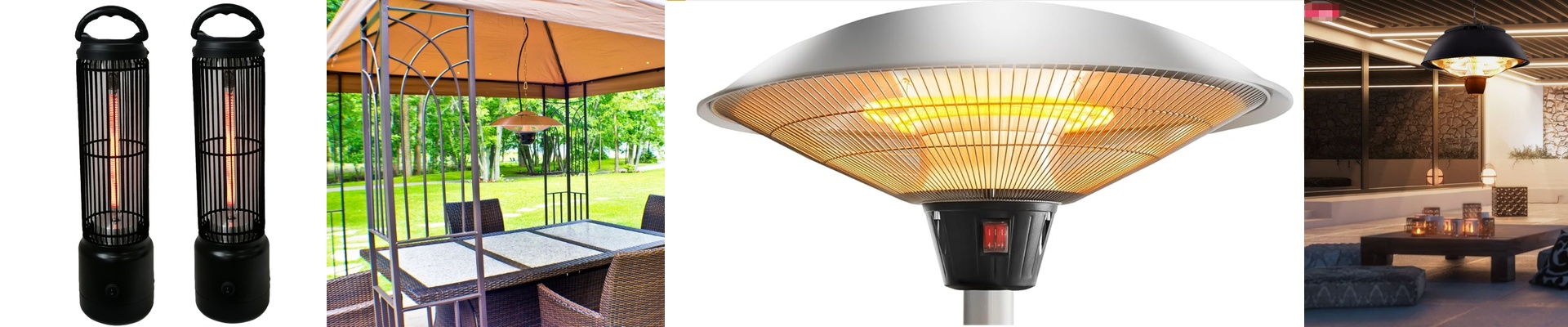
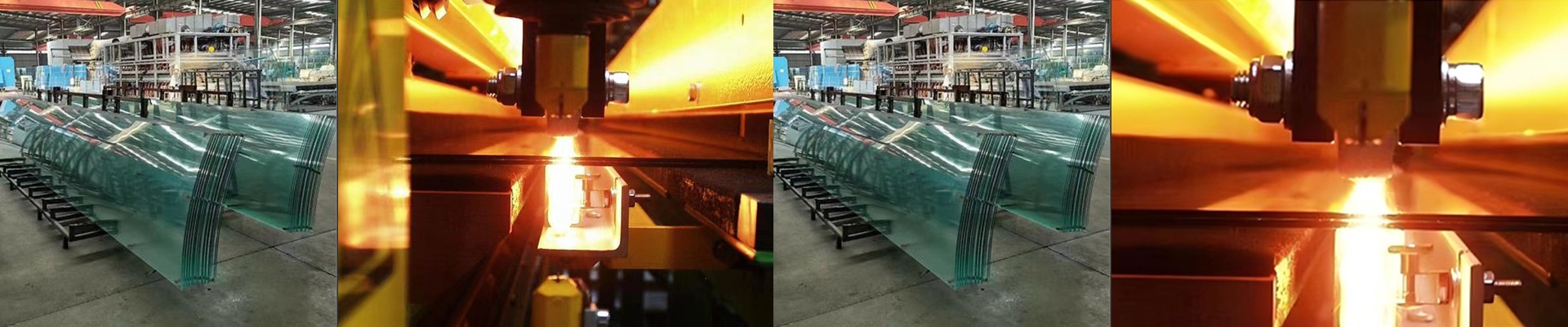
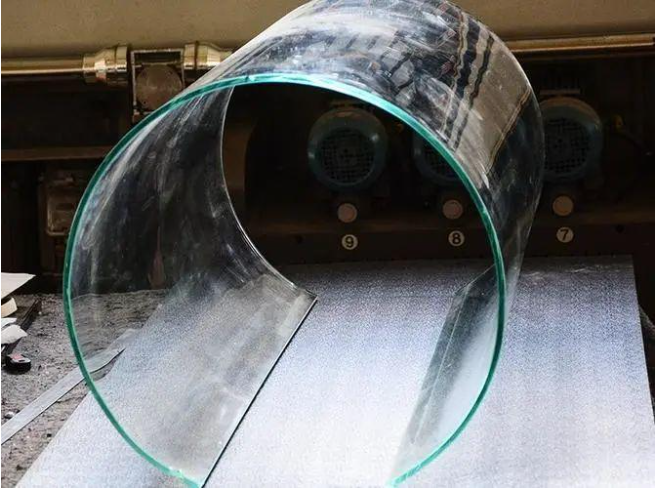
Nobody likes it when a piece of lab glassware just… pops. Maybe it happens under a vacuum or while you’re dealing with some heavy chemicals. Most of the time, it’s because of internal stress that never got sorted out during annealing. If your temperature swings by even a couple of degrees, you’re basically baking microscopic cracks into the glass. To stop that, we use twin tube infrared lamps. They let us hit a precision window of 0.1℃, which is pretty much the secret to keeping your glassware in one piece.
Why the Twin Tube Setup Works
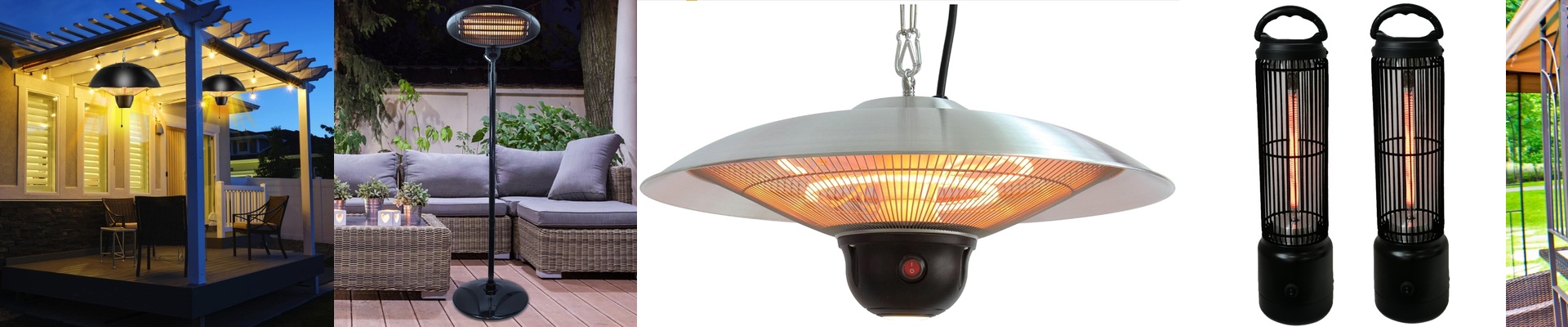
Think of the twin tube design as a way to get more heat coverage without taking up your whole workbench. It spreads the warmth evenly across the walls of the vessel. Single-element heaters are tricky because they tend to create hot spots. You don’t want that. The twin-tube geometry makes sure the glass hits its annealing point smoothly, without any one spot getting blasted. We pair these lamps with tight PID control. For that 0.1℃ accuracy to actually work, the lamp has to react the second the voltage changes. Plus, we use high-purity quartz envelopes. This ensures the infrared energy actually gets into the glass instead of just heating up the lamp itself.
Getting the Cycle Right
The real trick is the ramp-down. You have to go slow. If you let the temperature drop too fast, you lock that stress right into the material. We wire the lamps into high-resolution SCR controllers so we can nudge the power up or down in tiny, precise increments. But you’ve got to be careful with power density. Sure, high-wattage lamps get things hot fast, but they can easily overshoot your target. It’s a balancing act between the wattage and the thermal mass of the piece. If the lamp is too powerful for the job, you’ll start seeing streaks in the glass. Not a good look.
The Catch
Precision isn’t free. These lamps are a bit moody about cleanliness. A single fingerprint or a smudge of oil on the quartz tube can create a hot spot, and that’s a fast track to burning out your lamp. Use lint-free gloves. Always. And make sure your cooling fans are actually strong enough to move the heat away from the housing, or you’re just asking for trouble.