Getting Your Glass Heating Right with Medium Wave IR
If you’re working with glass or ceramics, you already know they can be picky. That’s why we lean on medium wave infrared (MWIR) lamps. They hit that 2.0 to 3.0 micron sweet spot where glass actually drinks in the energy, rather than just letting it bounce off. But here’s the thing: we aren’t just selling you a bunch of glass tubes and calling it a day. That’s not how this works. We’re looking at your whole thermal profile.
The Nitty-Gritty of the Setup
It mostly comes down to power density. Depending on how your plant is wired, you might need a lamp rated at 230V or 400V. Going with higher voltage lets us cram more wattage into a shorter tube without frying the connectors. But be careful. If you just throw a high-wattage tube in there without checking your lead wire gauge, you’re asking for a burnout at the terminals. It’s a messy way to find out your wires are too thin.
The Trade-off: Quartz and Coatings
We use high-purity quartz because it can take a beating from thermal shock. Now, some of you might need a gold or aluminum coating on the back of the tube. It’s great because it bounces the heat forward, basically doubling the intensity on your glass. But there’s a catch. More heat forward means more heat trapped inside the lamp. If your cooling fans aren’t up to the task, that quartz will eventually soften and start to sag. Not a good look.
Why we actually show up at your site
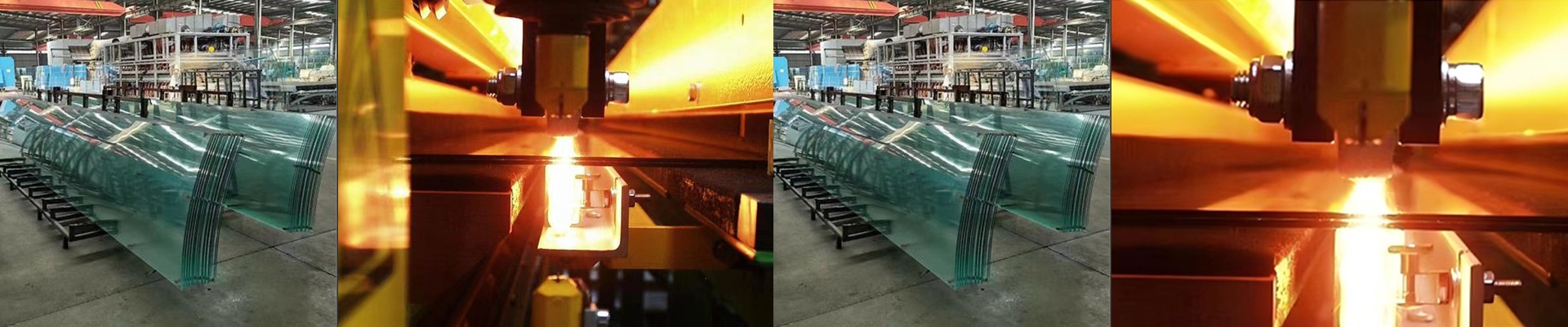
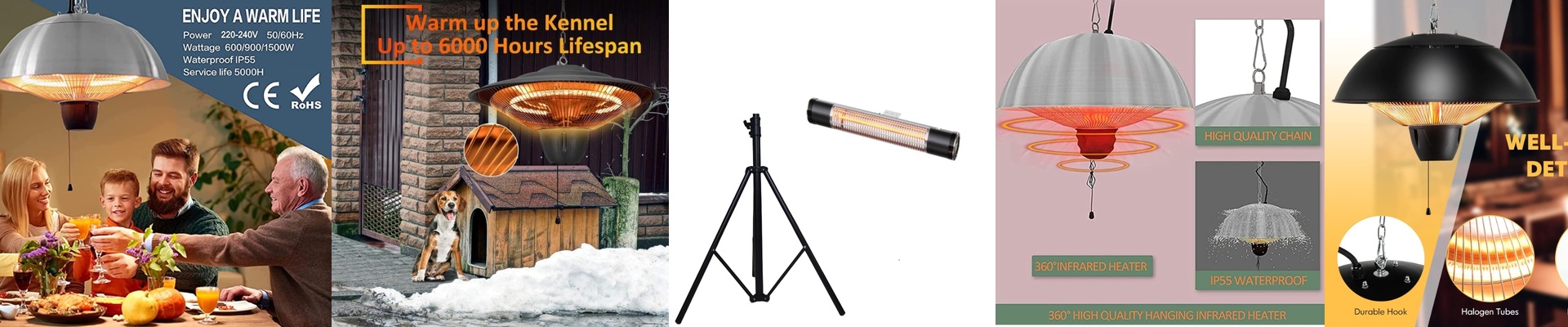
A datasheet is just a piece of paper. It doesn’t know how fast your line is moving or how thick your glass is. We do on-site diagnostics because “drop-in replacements” are usually a myth. If your focal point is off by even a few millimeters, the whole thing fails. We get in there and measure the actual surface temp and the heat soak. If you’ve got edges that are overheating while the center is still cold, we don’t just guess. We tweak the lamp spacing or shift the reflector angle until it’s perfect. Swapping out a lamp is the easy part. The real work is making sure that heat hits a moving sheet of glass exactly the way it needs to.