Stop Wasting Power on Your Glass Annealing Lines
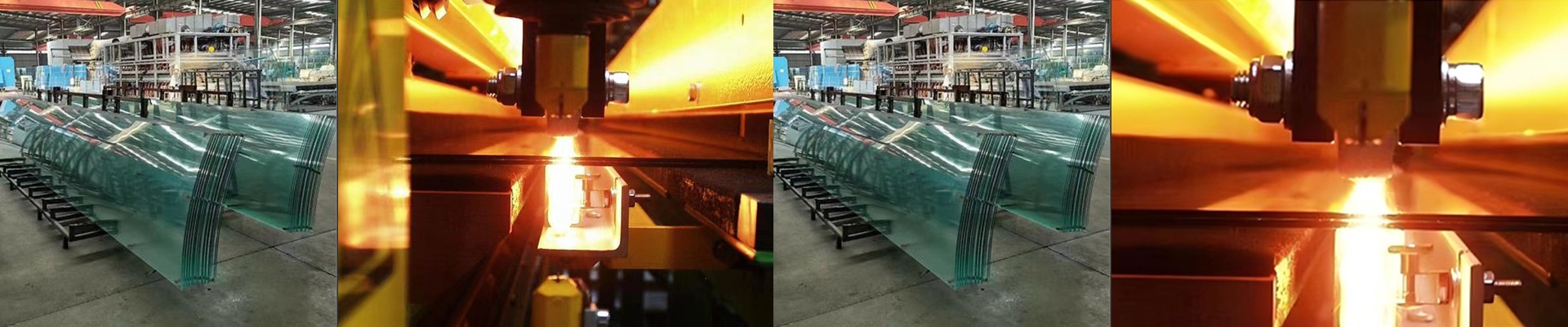
Let’s be honest: annealing lines are usually just giant holes in the budget. Most plants are still running on old-school heating systems that leak heat everywhere, wasting a ton of energy just to get the job done. We do things differently. Our infrared (IR) lamps are built to hit the glass surface directly. No wasted air, no floating heat. Just a direct hit that brings your electricity bill down.
Why the physics actually matters
Here’s the thing. Not all heat is the same. We tune our wavelengths to match exactly how glass absorbs energy. By using short-wave or medium-wave emitters, the heat sinks into the material way faster than those old resistive elements ever could. You hit your annealing point quicker. That means less time idling and more product moving out the door. It’s fast. Really fast. And that changes your whole workflow.
The gear under the hood
We use high-purity quartz for the envelopes because these things take a beating. Constant heating and cooling creates a lot of stress, and quartz can handle it. Inside, we use a halogen gas fill. This stops the filament from evaporating, which means the lamp lasts longer and the wattage stays steady for thousands of hours. You won’t see that annoying dip in performance over time. As for the setup, we keep it simple. Whether you need R7s or SK15 bases, they just drop right in. We hate proprietary plugs as much as you do. You shouldn’t have to rewire your entire plant just to replace a bulb.
Real talk: Life on the shop floor
Now, there’s a trade-off. These lamps pack a massive amount of energy into a tiny space. It’s great for your throughput, but it’s intense. If you aren’t careful, that heat can cook your housing or fry your nearby sensors. Make sure your cooling fans and vents are actually up to the task, or you’ll be replacing your control electronics a lot sooner than you’d like. One last tip: pair these with a solid PID controller. When you can tighten those temperature tolerances, you stop over-firing the glass. That’s where the real waste happens, and it’s the easiest way to kill your scrap rate.