The Tug-of-War Between Sharp Prints and Strong Glass
Here’s the deal: when you try to screen print and temper glass in one go, you’re basically fighting a war with physics. You need a massive amount of heat to make the glass strong. But if you go too hot—or if that heat hits the glass unevenly—your ink starts to burn or the pattern just blurs into a mess. It’s a delicate balance. And that’s where the IR lamp reflector comes in. It’s the real MVP of the whole process.
Why the shape of your reflector actually matters
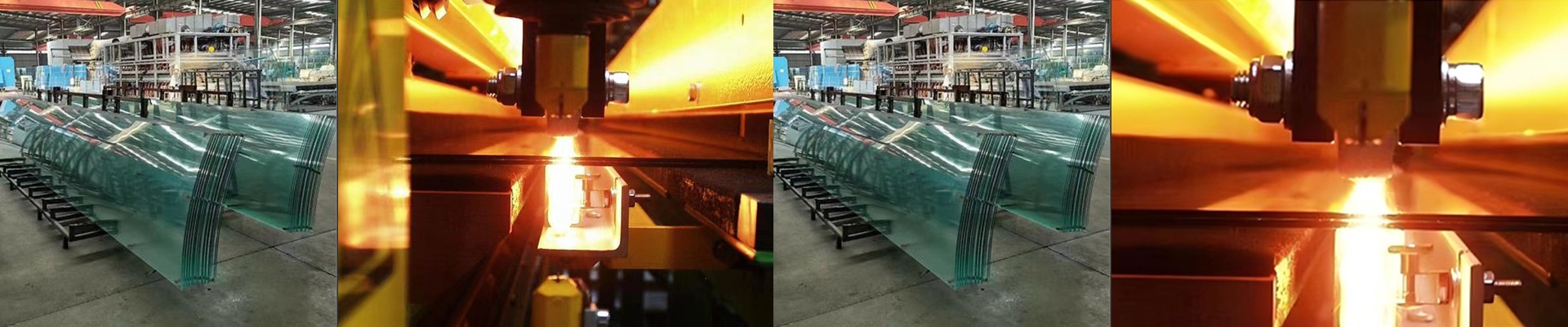
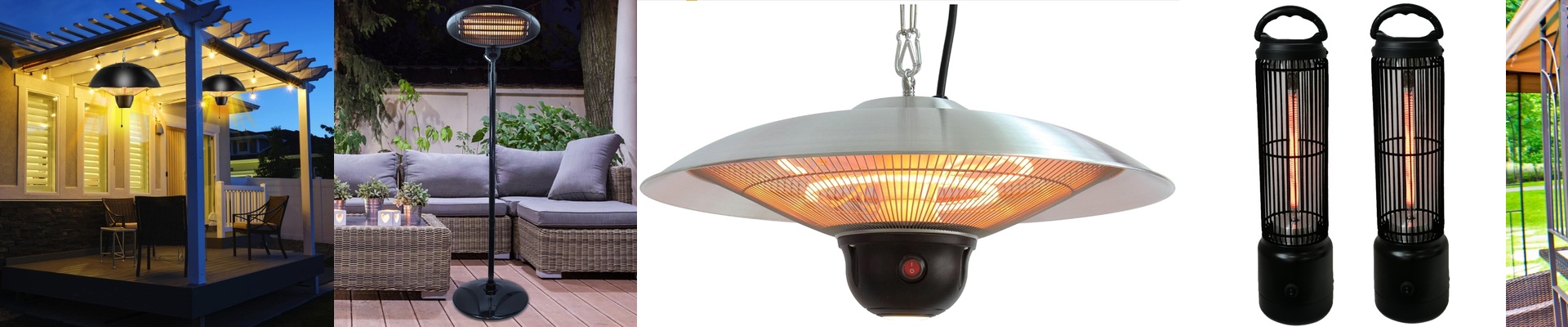
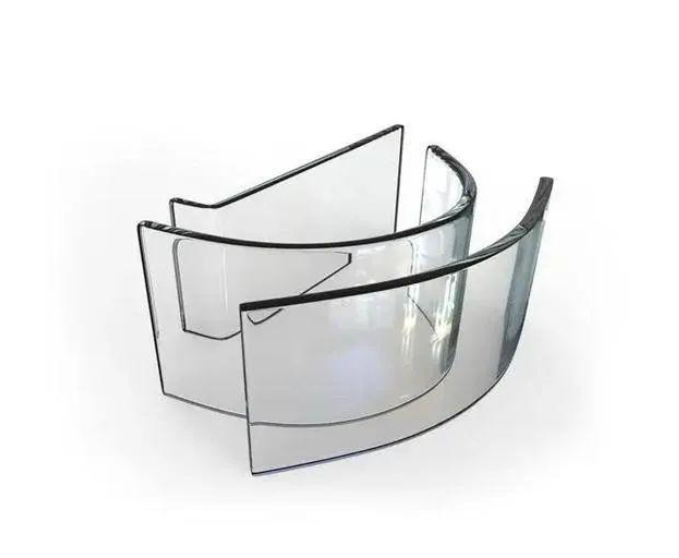
Think about a bare IR lamp. It throws heat in every direction, 360 degrees. In a tempering line, that means half your energy is just vanishing into thin air. Wasteful, right? We use reflectors made of high-purity aluminum or gold coating to push that energy back down onto the glass. By tweaking the curve of the reflector and where the lamp sits, we can aim the heat exactly where it needs to go. No more “cold spots” that make the glass crack. No more “hot spots” that fry your artwork.
Handling the heat
We use high-wattage shortwave lamps because they get the glass up to temperature fast. But that kind of intensity is aggressive. If the heat isn’t spread out perfectly, the ink can migrate or change color. That’s why we design the reflectors to create a sort of “heat curtain.” It keeps the surface temperature steady across the whole sheet. The glass gets soft enough to temper, but the ink stays right where it belongs.
The trade-offs (The “Catch”)
Now, you can’t just slap these high-precision reflectors into an old setup and expect magic. Because they concentrate the energy so much, your conveyor speed has to be spot on. If the glass hangs out under a high-gain reflector for a few seconds too long? The ink will blister. It takes a bit of tinkering. You have to find that sweet spot where the lamp wattage, the reflector efficiency, and the line speed all play nice together. When you nail it, you get glass that’s rock solid and prints that look crisp. That’s the goal.