Stop Wasting Power on Glass Annealing
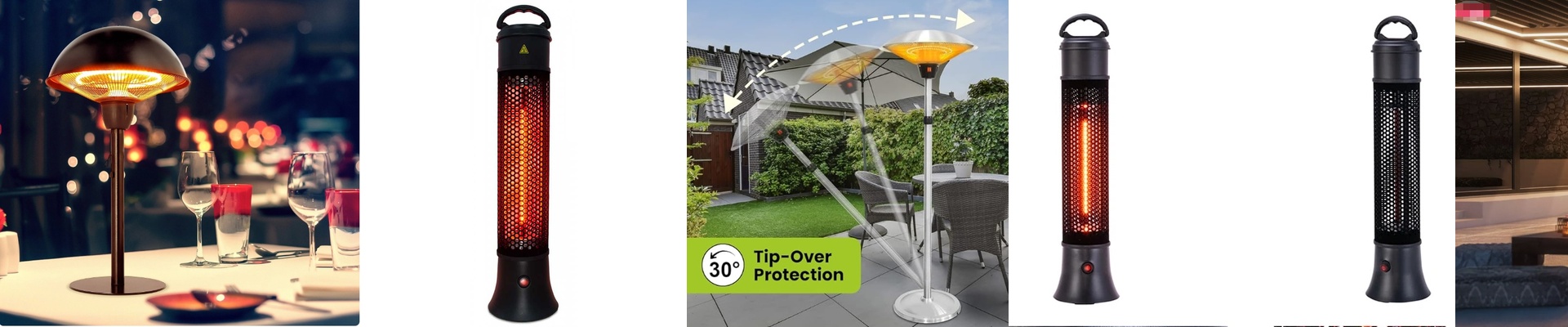
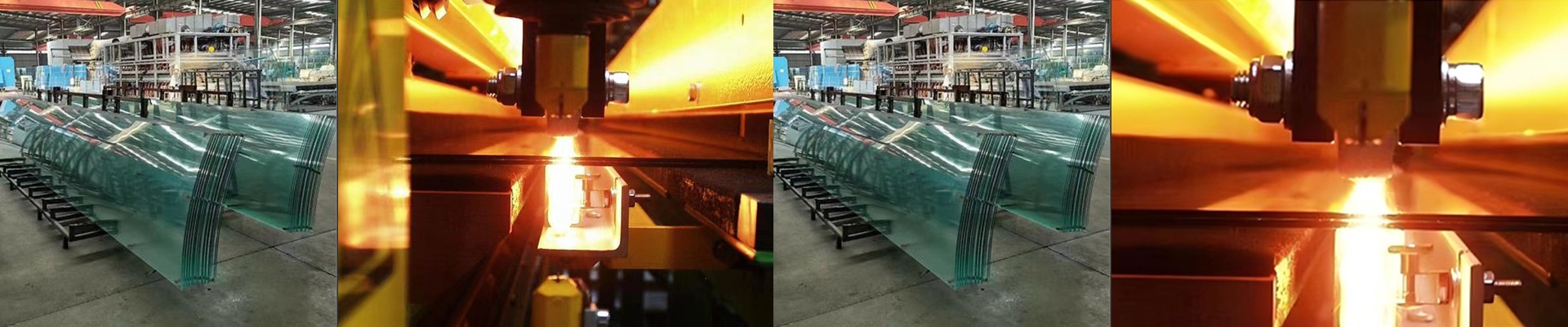
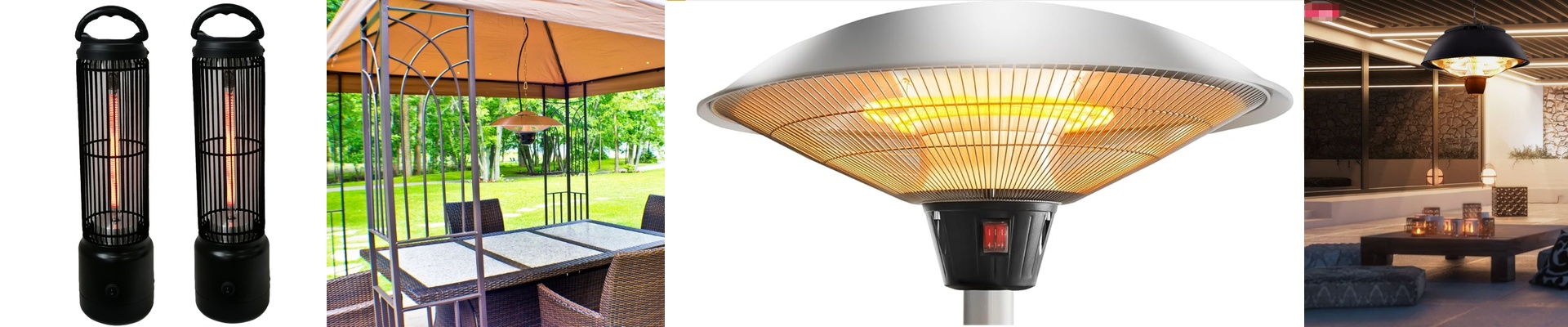
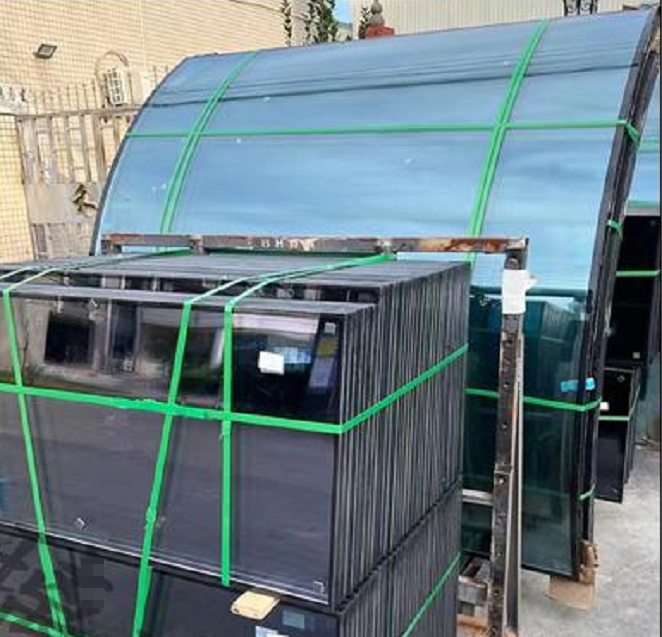
Let’s be honest: annealing is usually the biggest power hog in the entire production line. I’ve talked to plenty of plant managers who are just tired of staring at electricity bills that keep climbing because their heating setups are leaking energy like a sieve. The fix isn’t as complicated as you’d think. It usually comes down to how you’re actually delivering that heat. Switching to infrared (IR) lamps with ceramic end caps changes the whole math of the process. The secret is in the end caps. Most standard IR lamps bleed heat right at the terminals. It’s a waste. We use ceramic end caps to plug those leaks and insulate the connection points. Since ceramics don’t warp or melt when things get scorching, the heat stays exactly where it belongs—on the quartz tube and your glass—instead of heating up the lamp housing. Plus, it keeps your terminals from burning out when you’re running long cycles. Cutting the energy bill The real win here is targeted radiation. Instead of trying to heat up the entire volume of the oven (which is basically like heating the whole room just to warm up a cup of coffee), these lamps hit the glass directly. You get to your annealing point faster. That means fewer kilowatt-hours per ton of glass. Simple. But here’s a heads-up: because the heat density is higher, you’ve got to keep your reflectors spotless. If dust builds up, your efficiency tanks. The lamps will have to work harder and run hotter just to do the same job, which defeats the whole purpose. Getting it on your floor The best part? You don’t have to tear your oven apart. These are basically drop-in replacements for your current IR arrays. Just wire them into your existing controllers and you’re good to go. A quick tip: check your contactors. If you’re moving to high-wattage shortwave lamps, make sure your wiring gauge can handle the load. You don’t want voltage drops messing with your output. And please, double-check your spacing. The gap between the lamp and the glass is everything. Get it right, and you get a perfect, uniform soak. Get it wrong, and you’re looking at hot spots that crack your product.