Getting the Heat Right for Wide-Format Low-E Glass
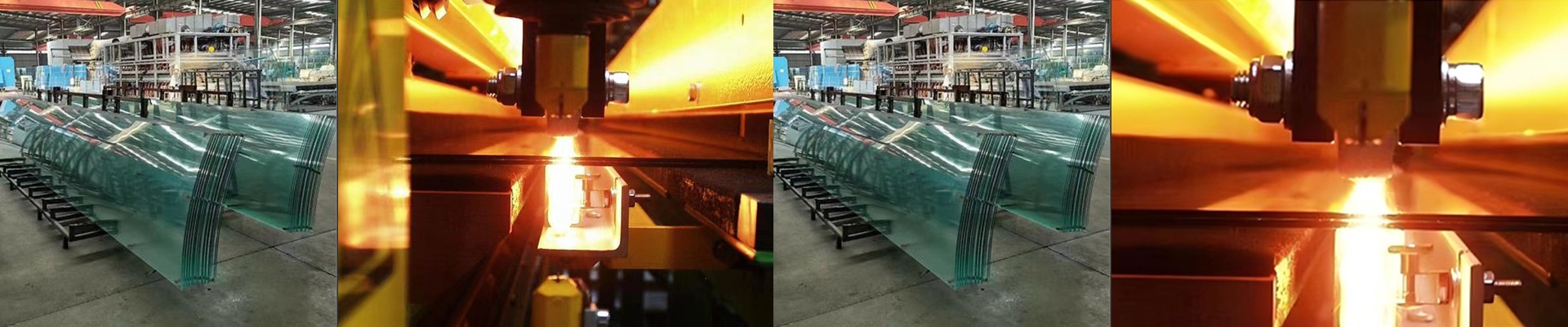
If you’re running a lehr wider than 3 meters, you know the struggle. Trying to get a perfectly even thermal profile across a massive sheet of glass is a nightmare. Standard, off-the-shelf lamps just can’t keep up. You end up with cold spots, and in this business, cold spots mean rejected glass. That’s why we build custom, continuous infrared units. We make them specifically to kill those cold spots once and for all.
Handling the Power
When you’re dealing with a 3-meter footprint, you can’t just daisy-chain a bunch of small lamps and hope for the best. It doesn’t work. We start by looking at your power grid and spec out the wattage and voltage to match. We use high-wattage quartz tubes to keep the heat flux steady. But here’s the thing: if you’re pushing high power densities, your wiring and electrical panels have to be up to the task. If they aren’t, you’ll see voltage drops at the end of the line, and your heat will dip right where you need it most.
The Nitty-Gritty on Materials
Long tubes have a tendency to sag under their own weight. To stop that, we use heavy-wall quartz glass. It stays straight. We also use a halogen cycle to keep the filament centered, which basically means your lamps last longer. Depending on what you need for your Low-E process, we can tweak the wavelength. Go with shortwave if you need the surface to heat up fast, or medium-wave if you need the heat to soak deeper into the glass. And because nobody likes a lamp that burns out at the contact point, we use industrial-grade connectors. Whether you’re using R7s or custom SK-type bases, we’ll make sure they fit your holders.
The Trade-off
These units are designed to drop right into most wide-format lehrs. It’s a straightforward swap. But there is a catch. The longer the tube, the more fragile it becomes when it comes to mechanical shock. If your lehr frame is vibrating, a 3-meter quartz tube can snap like a twig. You need rigid mounting brackets. No compromises here—proper support intervals are the only way to keep your line running without unexpected breaks.