Stop the Cracks: Getting Glass Sealing Right with IR Heating
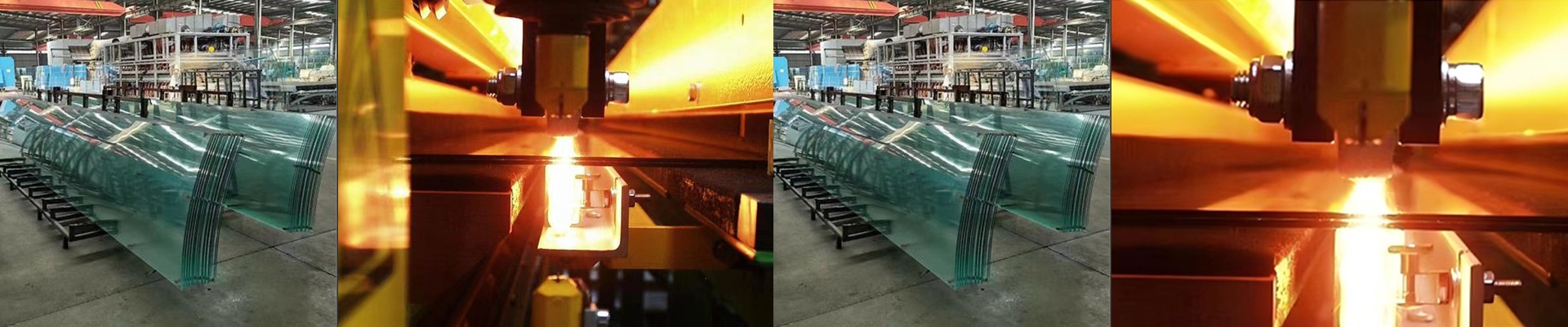
Ever had a piece of lab-grade glass just… snap? Out of nowhere. It’s frustrating, and usually, it’s because of thermal shock. When you seal glass, you’re hitting it with intense heat in one spot. If you don’t nail the cooling process, internal stress builds up inside the material. Eventually, that tension wins, and the glass cracks. That’s why we use precision infrared (IR) lamps for annealing. It’s all about the cooldown. Why 0.1°C Actually Matters Most heating elements jump around too much. You might think a 2 or 3-degree swing isn’t a big deal, but with borosilicate glass, it’s the difference between a perfect seal and a waste of time. We use IR elements that stay stable within 0.1°C. This lets the glass “dwell” right at the annealing temperature. It’s a slow, gentle glide down in temperature that lets the molecular structure settle in without trapping any of that nasty tension. The Gear and the Grit To get glass to soften, you need serious heat density. We use shortwave radiation because it doesn’t just sit on the surface—it actually penetrates the glass wall. But here is the tricky part: your power supply has to be a perfect match for the lamp’s wattage. If you use high-wattage tubes but your PID controller can’t keep up with the switching frequency, you’ll get temperature ripples. Those ripples are the enemy. They create the exact stress fractures we’re trying to kill. The “Gotchas” of High Precision Getting this level of control isn’t free, and it isn’t always easy. For one, these lamps use high-grade quartz envelopes to keep the light pure. Quartz is a diva. It’s fragile. If you touch the tube with a fingerprint or a smudge of oil during setup, you’ve just created a hot spot. That hot spot will eat through the lamp, and it’ll burn out way sooner than it should. Then there’s the setup. You can’t just toss a lamp in a box and hope for the best. You need reflective shielding to bounce that IR energy back into the tube. If you skip the shielding, you’re basically paying to heat up your machine’s metal frame. About 40% of your power just vanishes into thin air.