Stop Freezing in Your Own Bathroom
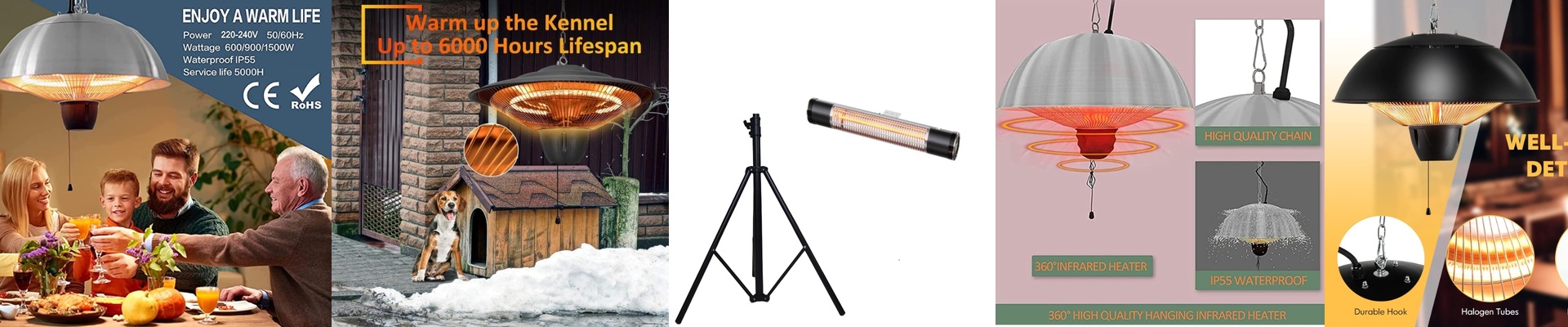
Let’s be honest: there is nothing worse than stepping out of a hot shower into a bathroom that feels like a walk-in freezer. Most of us have used those old-school heat lamps. You know the ones—they take forever to warm up, and by the time the room feels okay, the heat has already floated up to the ceiling where it does absolutely nothing for you. That’s why we’re moving toward high-standard infrared heaters. They just work differently. Instead of trying to warm up all the air in the room, they send warmth straight to you. It’s the difference between waiting for a room to thaw and feeling the sun hit your skin on a spring day. The battle against steam Bathrooms are brutal on electronics. Between the shower steam and the humidity, most heaters just give up. Water creeps into the casing, fries a circuit, and suddenly your heater is a paperweight. We solve this with high IP ratings. Basically, we use heavy-duty gaskets and coatings that repel water. It keeps the guts of the machine bone-dry, even when the room is thick with steam. You won’t have to replace the unit every single winter because it “just stopped working.” Instant heat. No waiting. Here is the cool part about the physics: infrared waves travel at the speed of light. When you flip the switch, you don’t wait for the air to warm up. You feel the heat immediately. It hits your skin and converts to warmth on the spot. It’s fast. Really fast. Building things that actually last Because these heaters pack a lot of power into a small space, they get hot. Like, really hot. If you use cheap plastic for the housing, it’s going to warp or melt. We don’t do that. We use aluminum alloys or reinforced thermal polymers. It’s a bit more work to build, but it means the heater doesn’t deform after a few months of heavy use. A quick heads-up on installation If you’re upgrading, don’t just plug these into your old light switch. These systems pull more power than a couple of lightbulbs. You’ll need a dedicated circuit and wiring thick enough to handle the load. It’s a small detail, but it’s the difference between a cozy bathroom and a tripped breaker in the middle of your morning routine.