In an off-grid home, sunset doesn’t end the day—it starts the next shift. You’ve got to keep everyone warm without wiping out the battery bank. When the solar array is quiet and the generator is something you only want to touch in a pinch, you need heat that plays nice with your system. That’s where an infrared heater earns its keep.
What matters, technically
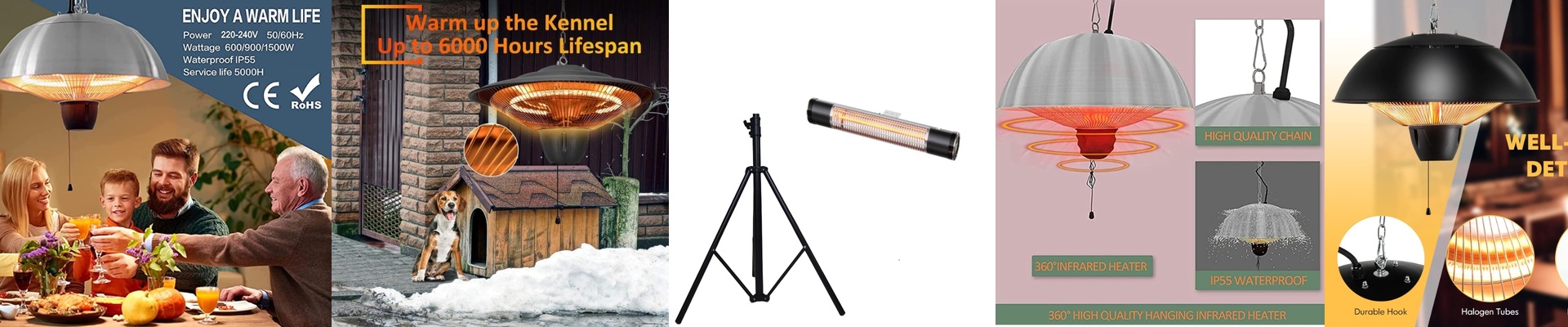
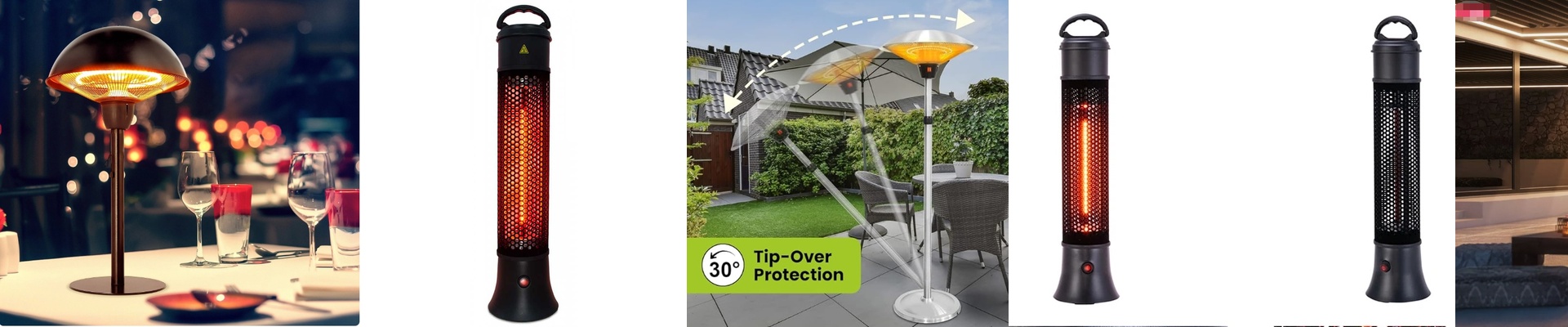
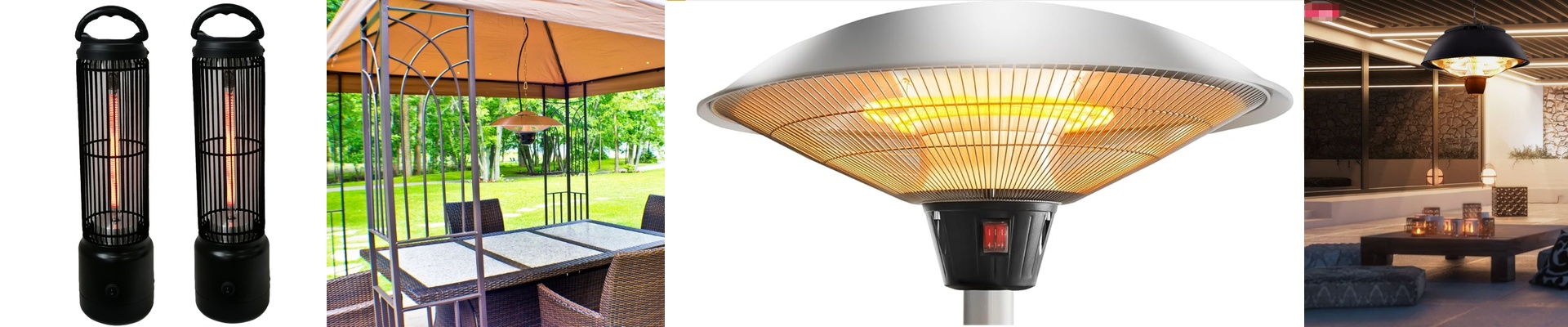
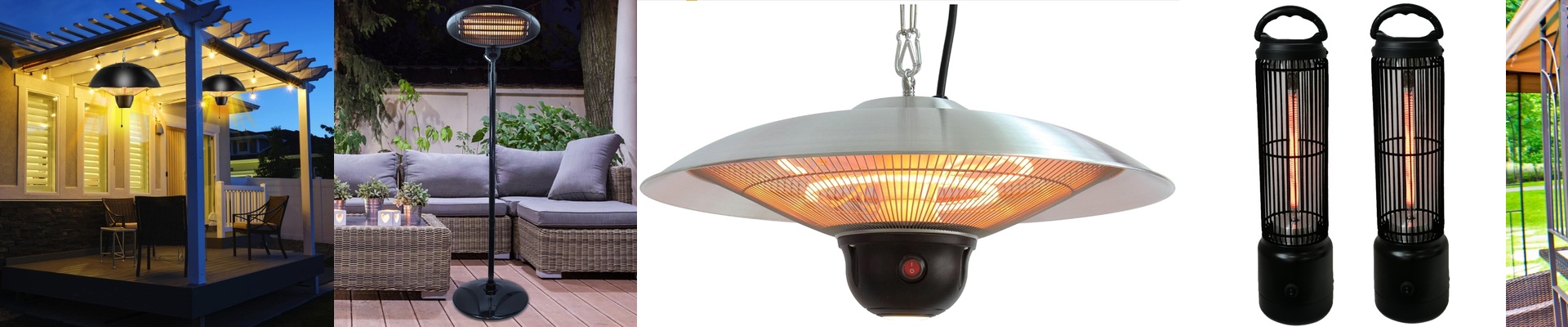
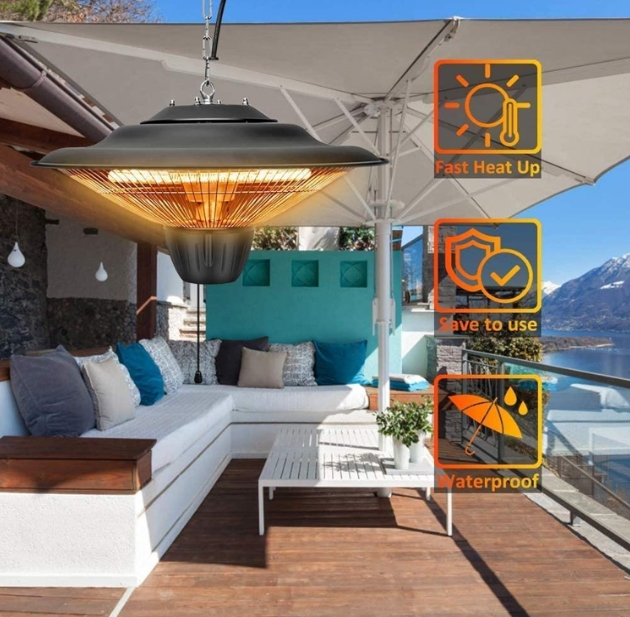
Infrared heaters warm people and surfaces directly, not the air. That’s a big deal because air heating is where energy vanishes—through drafts, high ceilings, and leaky walls. A typical electric infrared unit pulls 1.2–1.5 kW and throws warmth within seconds, so you can heat just the spot you’re using. Most models run off a standard 120V outlet and can be paired with a simple thermostat or timer, so you control runtime down to the minute. The heating element—often a carbon fiber or quartz tube—delivers quiet, draft-free radiant heat. And because the heat travels in straight lines, it feels steady even when the room air is cooler.
Why it fits off-grid
Solar plus batteries is powerful, but it comes with a rhythm: plenty at midday, tight at night. Infrared matches that rhythm because it heats fast and can be scheduled to run during peak solar hours, then back off after sunset. Use daytime surplus to pre-warm the living area, then let floors and furniture carry some of that comfort. That approach cuts generator runs and keeps battery cycle counts lower. You end up with a warm home without constantly draining stored energy, which moves you closer to real energy independence.
Things to know before you buy
Solar compatibility comes down to wiring and load management. A 1.5 kW heater is manageable for many systems, but it still adds up—size your inverter capacity and wire it for the current it will carry. Infrared heats objects and people directly, so you feel the warmth strongest when you’re in the beam. For comfort, aim the heater to cover the seating area, and if you need it, add a low-watt fan-forced heater to gently move air. And make sure the unit has tip-over protection and either a sealed motor or an IP rating suitable for indoor or covered spaces—safety needs to keep pace with efficiency.