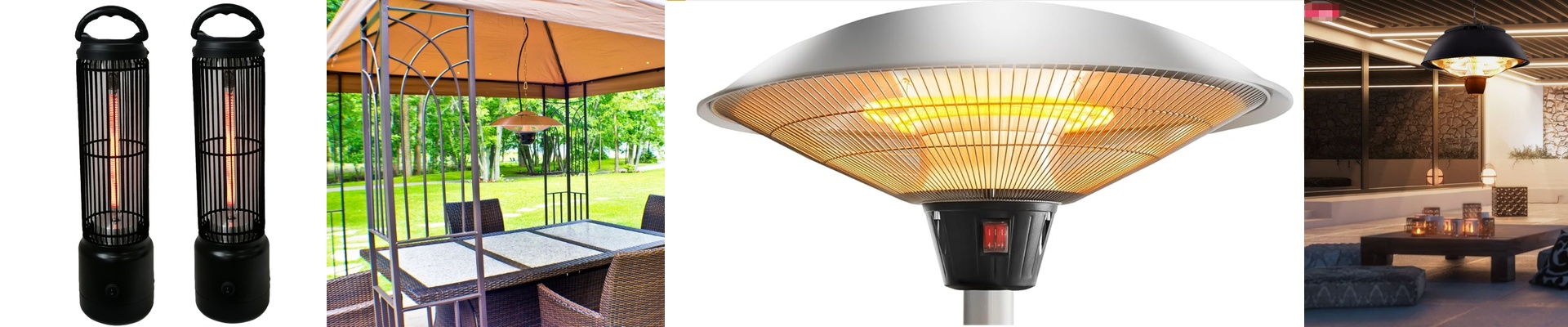
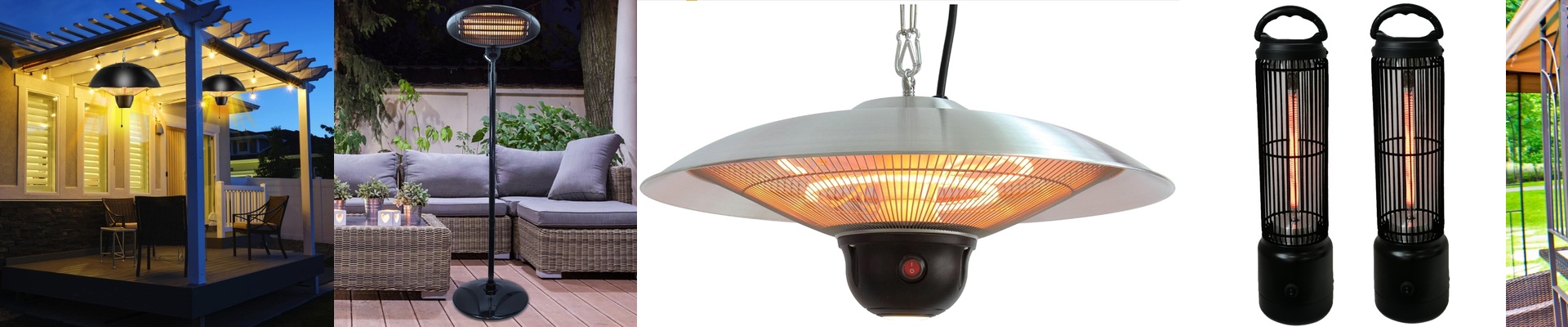
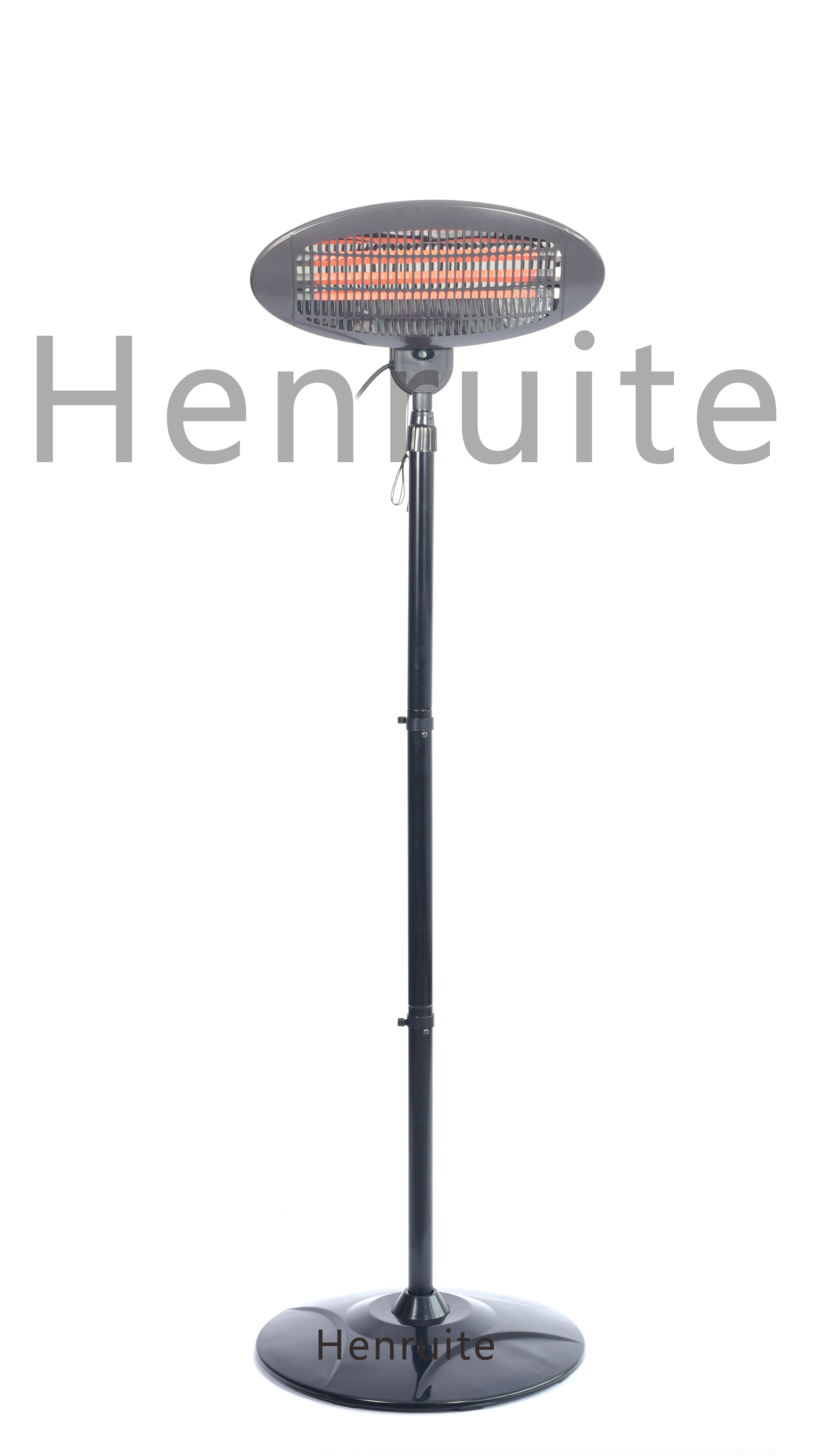
An open-air restaurant in winter comes down to a simple reality: if guests are cold, they don’t come. That means empty chairs, idle staff, and a slow bleed on the bottom line. We’ve watched operators try all the usual workarounds—portable fan heaters that move air but don’t move the chill, and propane units that roar, dry out the space, and make conversation a chore. The practical fix is infrared warmth, delivered by electric heaters built specifically for commercial patios.
What matters, technically
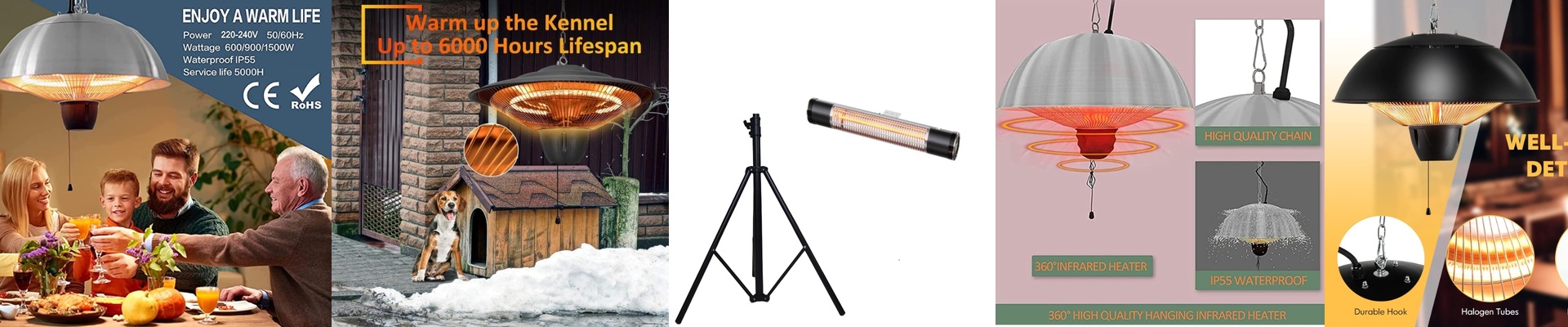
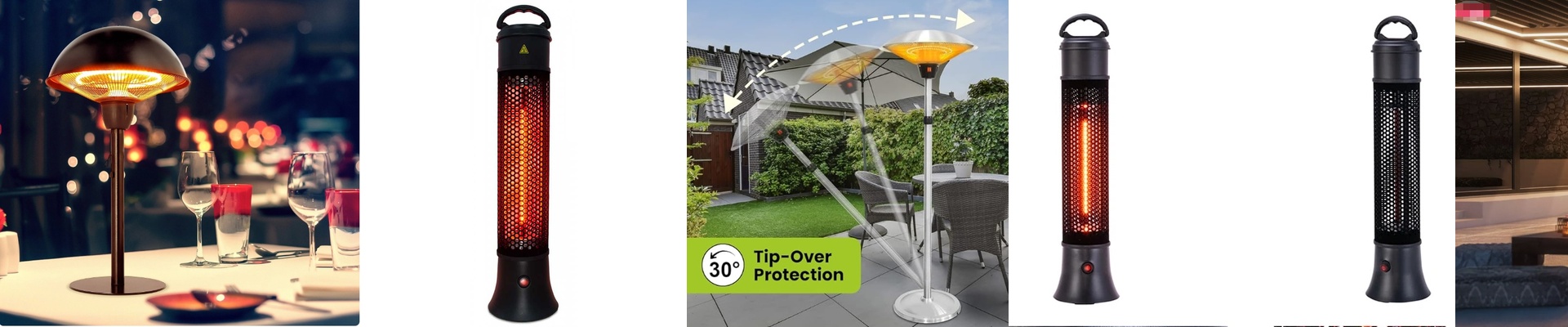
Infrared heaters warm people and surfaces directly, instead of wasting effort heating the air. That’s the big difference outdoors, where wind steals convective heat the second it leaves the heater. Our top sellers use either a carbon fiber element or a quartz tube to produce medium-wave infrared. You get a soft, even glow and a comfort zone that feels consistent, not spotty. Power typically runs 1.5 kW to 3.0 kW, on standard 220–240 V circuits, so you can run multiple heaters without calling for heavy rewiring. A built-in thermostat keeps the feel steady, and IP55 protection covers you against rain and dust. For safety, tip-over protection cuts power if a unit gets knocked.
Why it works in real service
Comfort drives every decision out there. With infrared, guests feel warm within seconds—even on nights that hover near freezing. Tables fill faster, and covers turn over sooner because people linger without shivering. Because the heat is radiant, it isn’t lost to the sky. Energy use stays predictable, and maintenance is light: no fuel deliveries, no flame tuning. You end up with more service cycles per evening and a patio that keeps earning through winter.
The practical details you’ll want to get right
Plan the layout before you buy. Radiant warmth is directional, so aim heaters over seating, not over walkways. Mount height and angle directly change the spread, and a 3 kW unit can cover a larger area than a 1.5 kW model. Balance the load across circuits, and use a thermostat to avoid overheating. The trade-off is straightforward: infrared doesn’t warm the air, so in strong wind you get the best comfort when the heat is aimed close to the body. Match the heater to the table, and winter stops dictating how fast your night moves.