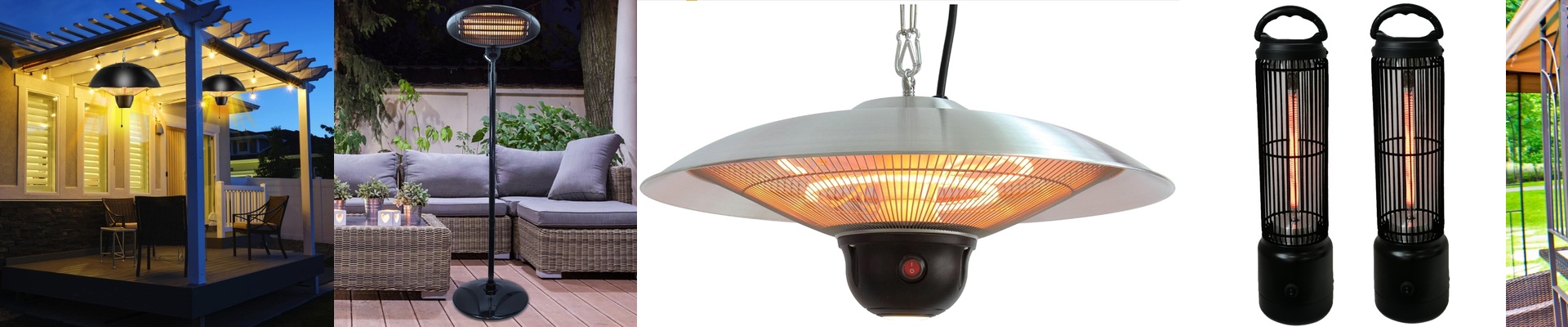
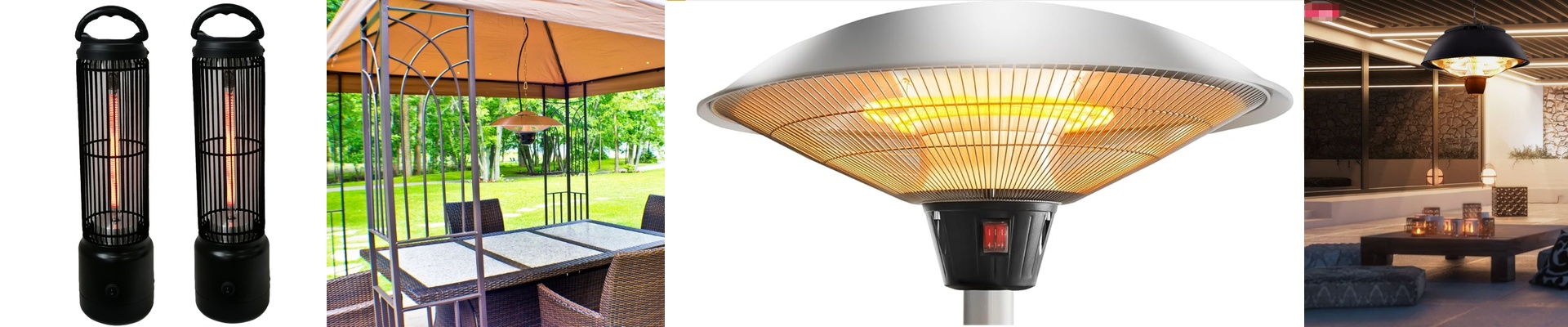

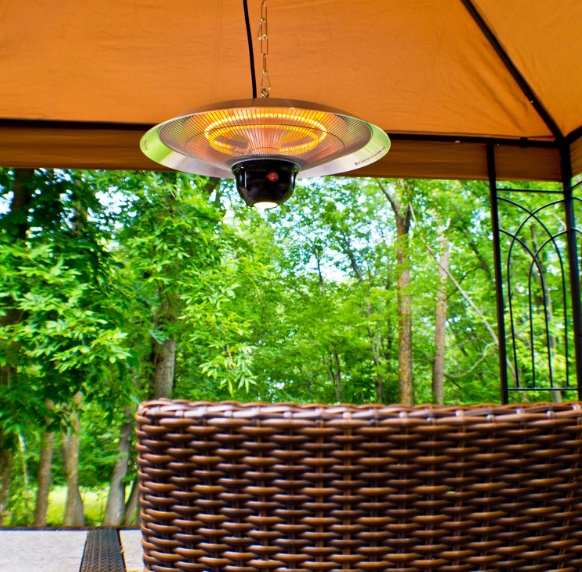
Picture the lights dim, the screen glows, and the room settles into that hush that makes a home theater feel like a true cinema. Then the whisper of forced air kicks in, pulling you out of the story. We built infrared heaters for that exact moment. Radiant warmth reaches you directly, no fans, so the only sound is the soundtrack.
What matters under the hood
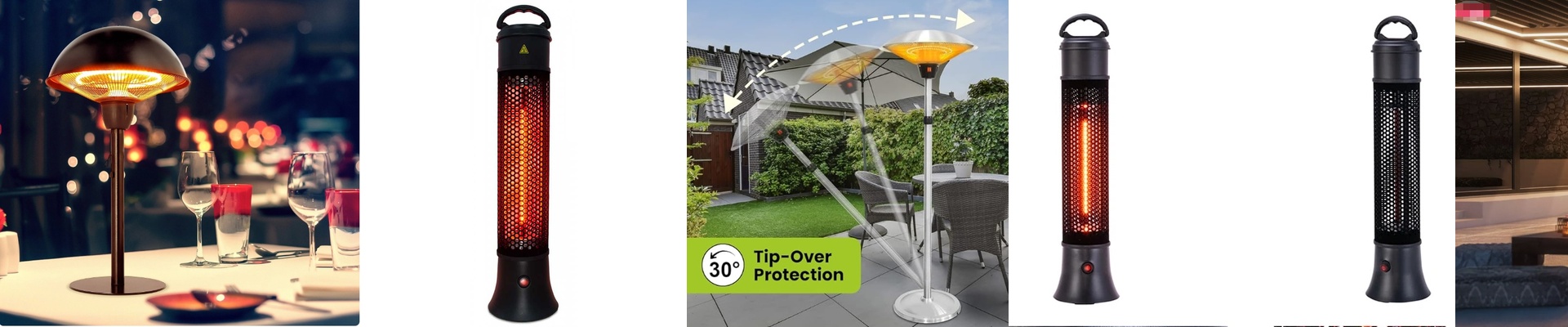
We run quartz or carbon fiber infrared elements that radiate heat the way the sun warms your skin. Instant comfort, no moving parts, so there’s no mechanical hum or air rush. Match wattage to room size—800–1500W is typical for dens and media rooms—with 120V plug-in models or 240V hardwired for larger spaces. A built-in thermostat holds the temperature steady, and tip-over protection plus overheat cutoff are standard. Many units carry an IP rating for dust and splash protection, so they’re right at home in finished basements and covered patios.
Why this fits a home theater
In a home theater, quiet is the whole game. With zero wind noise, dialogue stays clean and subtle scores keep their nuance. Radiant heat warms people and furnishings first, so you feel cozy sooner, without drafts stirring the air. You also get focused warmth where you need it, which helps keep energy use in check compared to heating the whole house. For viewers, that means fewer distractions and more time enjoying the film.
The practical stuff
Infrared heat warms objects and people directly, so comfort is immediate, but air temperature near the floor can feel cooler. Placement matters: aim the heater toward seating, not the screen, and keep clearances per the manual. Most models aren’t designed for wet areas like open showers, even with an IP rating. For best results, match wattage to the room and run the heater alongside your HVAC setback—not as a replacement for whole-home heating.