Stop Fighting Your IR Lamps: Why Modules Beat Single Tubes
Let’s be honest. Buying individual infrared lamps sounds simple on paper, but the reality on the shop floor is usually a headache. You spend hours fussing over alignments, wrestling with wiring, and praying you’ve calculated the safety distance correctly so you don’t accidentally torch your workpiece. It’s tedious. And frankly, it’s a waste of your time. That’s why we stopped thinking about “lamps” and started building curved heating modules.
The DIY Struggle
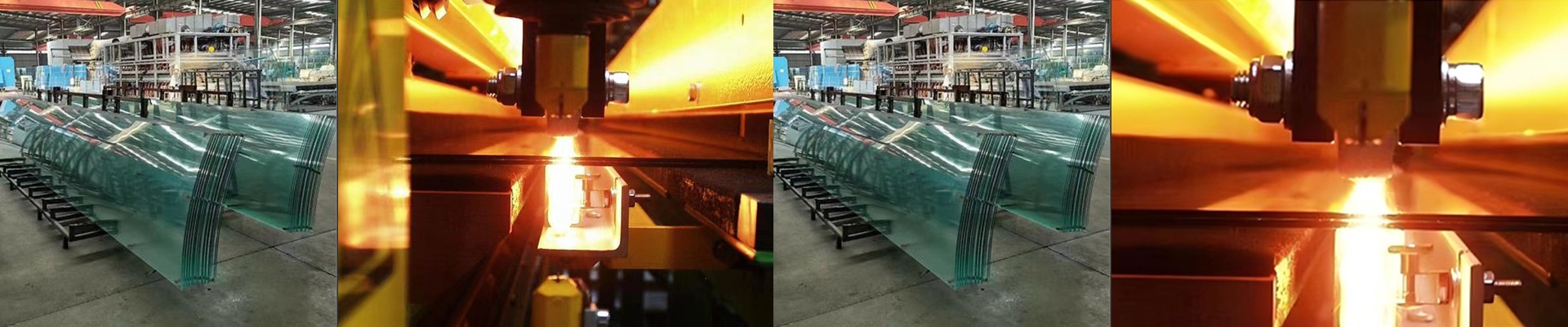
When you order a single quartz lamp, you’re basically just buying a heat source. You’re still on the hook for the hard part: building the reflector, figuring out the mounting brackets, and managing a mess of wires. And here is where it gets risky. If your curvature is off by even a few millimeters? You get hot spots. Those hot spots don’t just ruin your product—they can kill the lamp itself. We decided to just handle that for you. Our modules bundle the lamp, the reflector, and the wiring into one single unit. We do the bending and the thermal calibration in our shop, so when it arrives, you just drop it into your machine. No manual tuning required.
Less Wiring, More Working
If you’ve ever had to manually wire dozens of R7s or Sk15 connectors, you know exactly how soul-crushing that work is. It’s the kind of job everyone tries to avoid. We cut that out entirely. You just wire the module into your power rail and you’re done. Plus, we don’t do “one size fits all.” We use high-grade quartz and specific coatings to hit the exact wavelength your material needs. Need shortwave for a fast ramp-up? Or maybe medium-wave to get the heat deeper into the part? We build the module to those specs before it ever leaves our door.
A Quick Word on Heat
Now, there is a trade-off. High-wattage modules pack a massive punch. That’s great for getting more product through the line, but it puts a real load on your gear. If you’re stuffing a high-density module into a tight space, keep an eye on your cooling fans and control cabinet. If the air isn’t moving around the housing, those electrical leads can overheat. Just make sure your airflow is dialed in, and you’re good to go.