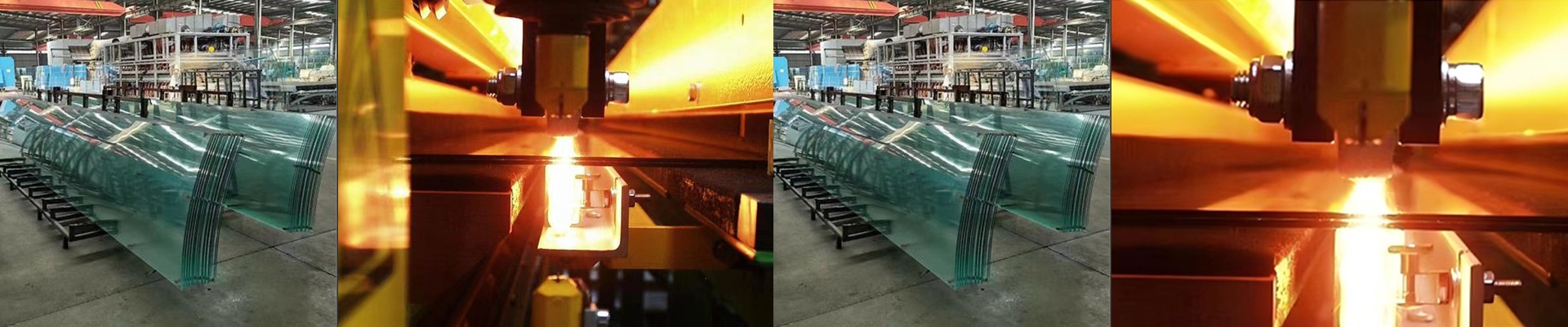
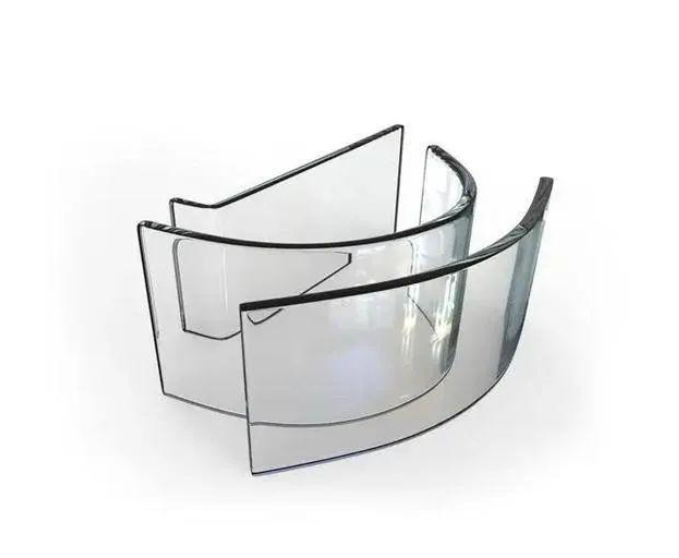
On the line, glass moves fast—through tempering, bending, lamination, and coating drying. If the lehr heat isn’t steady, you start seeing stress fractures, optical distortion, and scrap piling up. Electric glass lehr heating is how we keep temperature control repeatable, shift after shift.
What matters technically
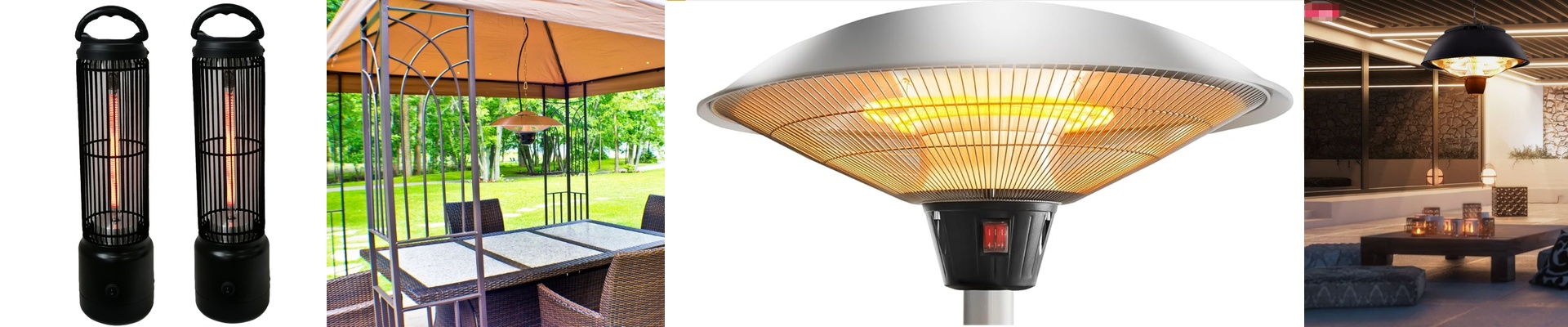
We build lehr heating around quartz short-wave infrared elements because they respond quickly and hold tight control. Power is matched to your process window, with voltage options and dense element layouts that give you a uniform thermal field across the glass surface. The payoff is predictable ramp rates and stable soak zones—exactly what you need when you’re running tempered safety glass, bent architectural units, or EVA/SGP/PVB lamination.
Why it holds up in production
Speed matters, but only if quality holds. Electric lehr heating cuts warm-up time, shortens cycle times, and keeps temperature steady through the lehr tunnel, reducing thermal shock that can drive defects. Energy use is measurable: targeted heating and low thermal mass elements mean less wasted heat in the chamber and lower kWh per square meter. For insulating glass sealing and coating curing, that stable heat profile supports consistent adhesion and edge seal integrity.
Things to know
Drop-in replacement is only useful if it fits without forcing changes to your line. We provide compatibility kits for major glass machinery brands, with exact-fit mounting and wiring options that keep installation non-destructive. Expect minor adjustments to control parameters after changeover—most plants settle within one shift. One constraint: for very wide glass or thick stacks, element density and airflow have to be planned to avoid shadowing. Plan the layout, and the heating performs.