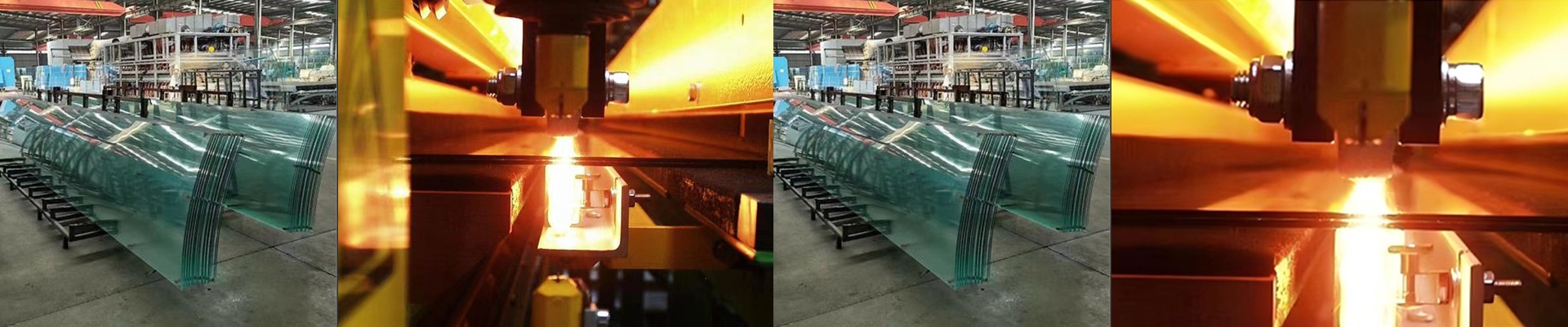
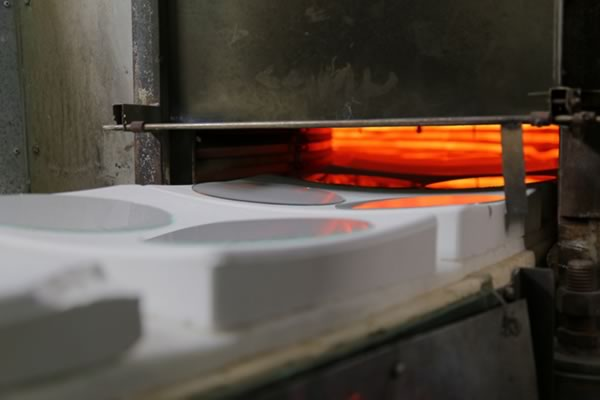
On the jewelry glass line, the annealing lehr is where you stop throwing money away to thermal stress and scrap. When the heat profile drifts, you get micro-cracks, warped bezels, and edge quality that’s all over the map. We built the glass jewelry annealing lamp to hold the profile steady and keep the line moving. What matters under the hood The unit runs on short-wave quartz halogen elements—fast response, tight spectral control. You get a quick ramp-up, a stable hold, and a repeatable soak across the full belt width. It works on standard voltages and drops into common lehr geometries, with solid terminals and proper shielding. The lamp body is built for high-temperature service, and the reflector geometry keeps heat on the glass, not on the fixtures. We size the power to match your throughput, so you get control without overshoot. Why it holds up on the floor The thermal field stays uniform, which cuts stress fractures after forming and cutting. That means higher first-pass yield and fewer reworks. The fast response shortens cycle time, so you can run more passes per shift without pushing peak load. Energy use drops because the lamp heats on demand, so idle consumption stays low. Maintenance stays manageable, too—the assembly is straightforward to swap, and the elements are protected from contamination. What to watch for Installation needs proper clearance and airflow. Keep the leads cool and keep the insulation intact at the lehr entry. The lamp performs best with steady voltage and clean power. It’s a direct fit for many OEM modules, but confirm mounting dimensions and the control interface before ordering. Keep spare elements and reflectors on the shelf—when you’re running high volume, that’s what keeps downtime short.