Getting the Heat Right: Why Spectral Matching Matters for Glass
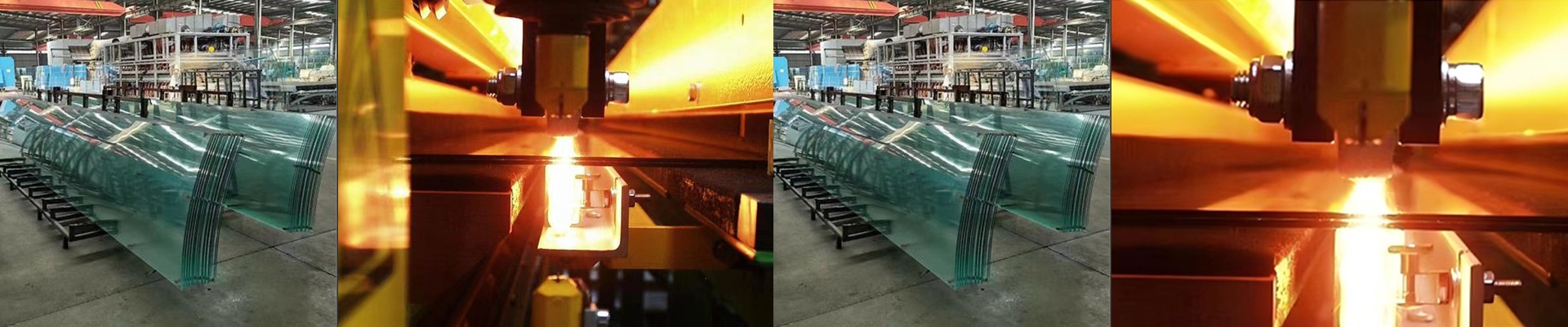
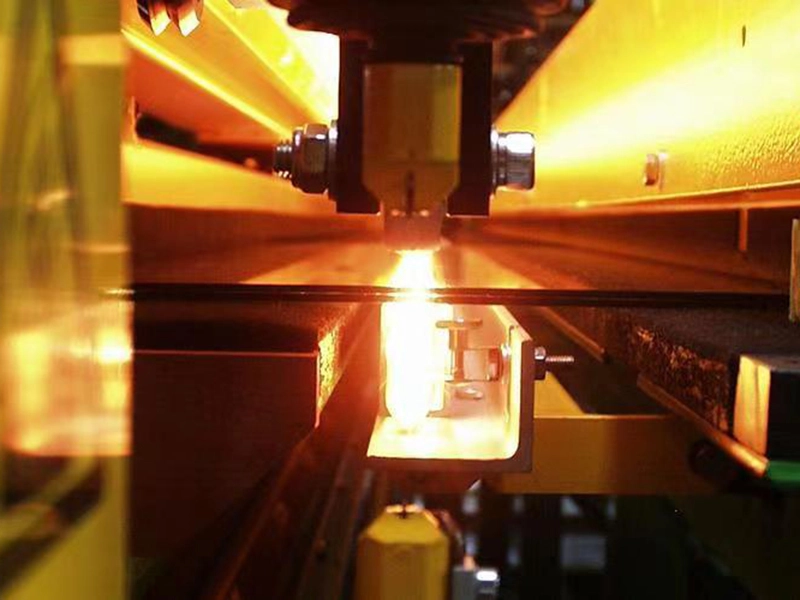
If you’ve ever tried to get internal stress out of tempered glass, you know that just cranking up the heat isn’t enough. You can blast the surface all day, but if that infrared (IR) energy is just bouncing off the glass instead of sinking in, you’re just wasting electricity. Here’s the thing: glass isn’t just “glass.” Depending on the additives used in the mix, different types of glass soak up energy at different wavelengths. If your lamps aren’t tuned to those specific “sweet spots,” the heat never reaches the core. It’s all about the match. We don’t just give you a standard bulb. We look at the chemistry of your glass and tweak the infrared spectrum to hit those exact absorption peaks. When the lamp’s output aligns with the material’s needs, the photons go straight to work on the molecules inside. You get deep-core heating without scorching the surface. So, how do we actually do that? It happens under the hood. We mess with the operating temperature of the tungsten filament and use special quartz coatings to filter out the wavelengths you don’t need. Think of it like a spotlight instead of a floodlight. We’re concentrating the energy right where the stress points are. We don’t do “one size fits all” here. We build the lamp around your specific recipe. Now, there is a trade-off. When you narrow the beam to hit a specific peak, you lose some of that raw, brute-force power. A custom narrow-band lamp won’t put out as many BTUs as a basic halogen tube. To make up for that, you might need to add a few more lamps to your array or slow the conveyor belt down a bit to keep your production moving. You’ll also want to make sure your power supply is dialed in perfectly. These custom filaments are precise, and the wrong voltage can burn them out way faster than you’d like. It’s a bit more finesse, but it’s the only way to actually solve the stress problem.