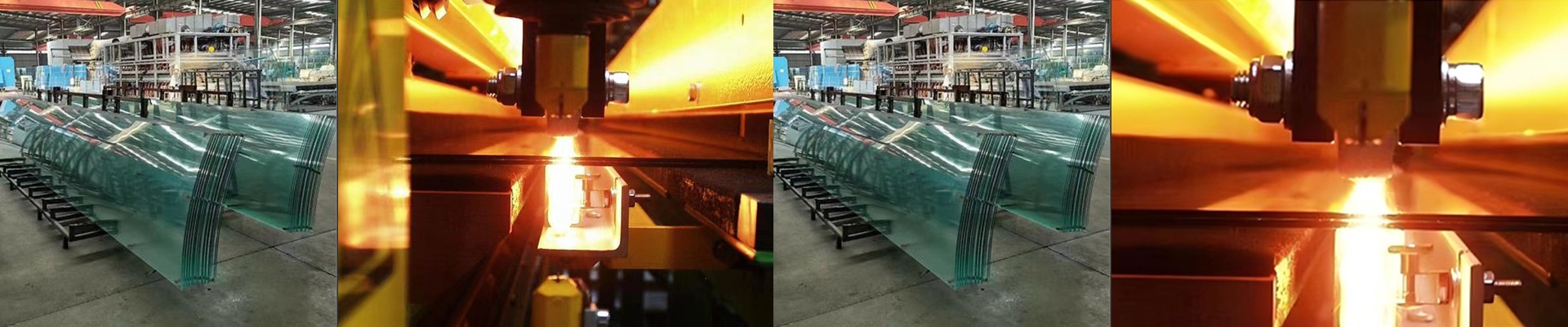
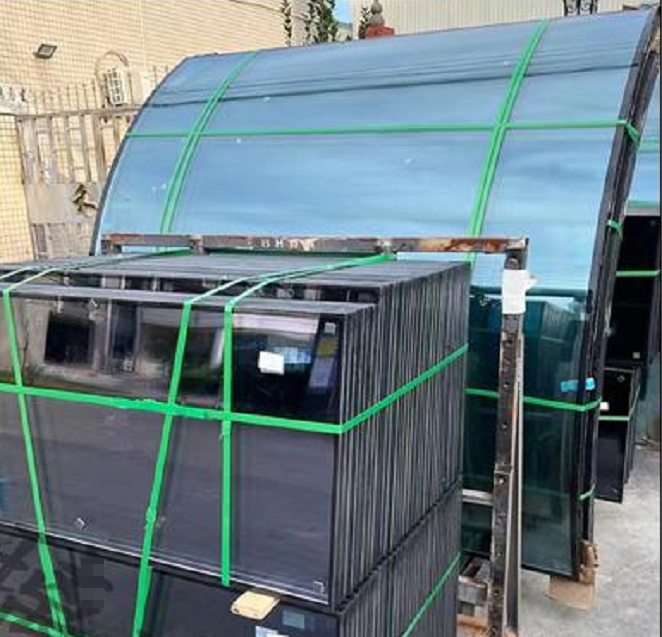
Getting tempering and silk-screen printing to play nice is honestly a bit of a balancing act. You’re working with a tiny window of temperature where everything just works. If you’re too slow with the heat, the ink smears. Too fast or uneven? You’re looking at thermal shock or patterns that look warped. To stop that headache, we put short-wave infrared (IR) lamps right into the nip roller assembly. The trick with the nip roller The whole goal here is to get the surface saturated fast. We use short-wave IR because it hits the glass surface and drives the ink to cure before the glass even touches the main tempering furnace. We go with high power density for a reason: you need that heat to hit instantly. It’s all about a fast ramp-up. If that IR output dips even a little, the ink won’t bond. Then you’re stuck dealing with peeling after the tempering cycle, which is a nightmare. Balancing strength and clarity Here’s the thing: there’s always a tug-of-war between how sharp your pattern looks and how strong the glass ends up. If you overheat the surface during preheat, you can accidentally create little stress points. We spend a lot of time calibrating the IR intensity so the ink sets perfectly without pushing the glass too far. You also have to keep a close eye on the gap between the IR emitter and the glass. A tighter gap means faster curing, but you have to watch out for hotspots. If one spot gets too hot, the ink bubbles. Once that happens, your clarity is gone. The messy reality of the shop floor Let’s be real—these lamps take a beating. Between the dust and the random glass shards flying around, it’s a rough environment. That’s why we use quartz envelopes; they can actually handle the constant heating and cooling. But keep in mind, these high-wattage arrays throw off a ton of waste heat. If your cooling fans aren’t up to the task, the lamp housings will warp. When that happens, your focal point shifts, and suddenly you’ve got uneven heating across the width of the glass. Not a good look.