Getting IR Heating Right for Mobile Glass Repair
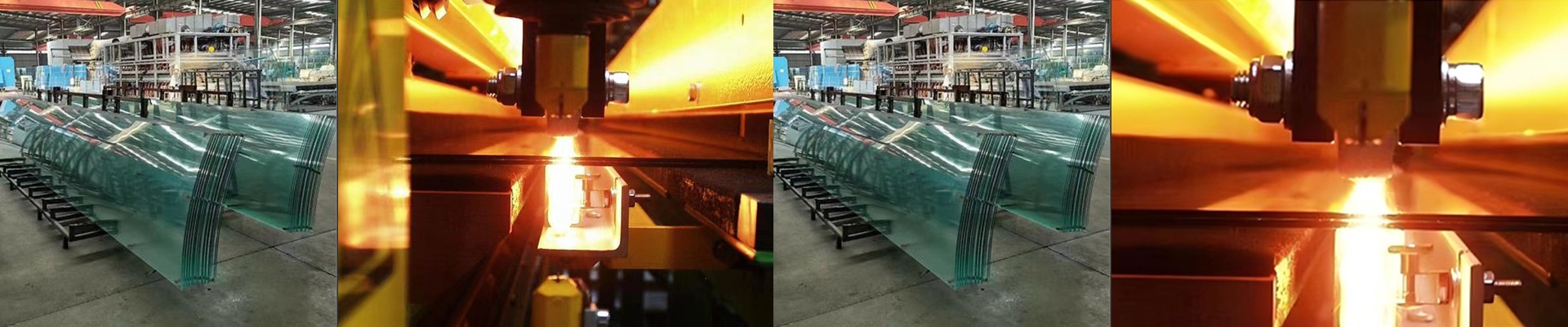
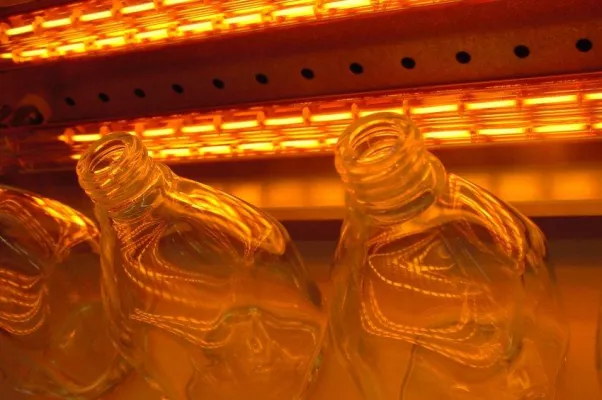
If you’ve ever tried to build a mobile glass repair bracket, you know the struggle. You’re fighting a constant war between needing a ton of heat and having almost no room to put it. When you’re stuck with limited voltage and a tiny footprint, the usual heating elements just don’t work. That’s why we went with short-wave infrared (IR) lamps built specifically for miniature setups. The battle against space Here’s the thing: to get glass to anneal without hauling around a massive power supply, you have to obsess over the wattage-to-length ratio. We use high-density quartz filaments to cram as much heat as possible into a tiny area. It gives you that thermal punch you need for the repair, but it doesn’t melt the rest of your chassis. It’s the only way to keep the tool small without sacrificing the heat. The nitty-gritty of the design We stuck with short-wave IR because it actually sinks into the glass, whereas long-wave options mostly just bounce off the surface. We also used a quartz envelope that can handle sudden temperature swings without cracking. Plus, we kept the connectors standard. If a part goes out in the field, you just pop a new one in and keep moving. But there is a catch. Because these lamps pack so much energy into such a small spot, they generate a lot of “heat soak.” If you don’t get your shielding right, your housing is going to take a beating. You’ve got to keep a close eye on the temperature rise at the ends of the lamp, or you’ll have a problem on your hands. Why this actually helps The best part? You can throw away the bulky heating chambers. Instead of moving the glass to the heat, we move the heat to the glass. Since we matched the lamp’s voltage to the mobile power source, those heavy, clunky step-down transformers are gone. You end up with a tool that’s light, portable, and hits annealing temps in seconds. It’s just a simpler, faster way to get industrial-strength heat into something you can actually hold in your hand.