
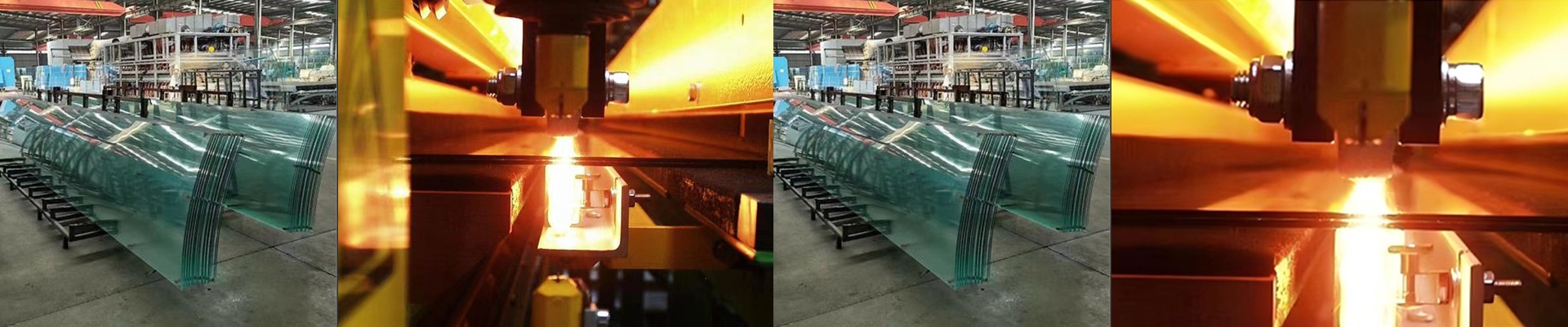
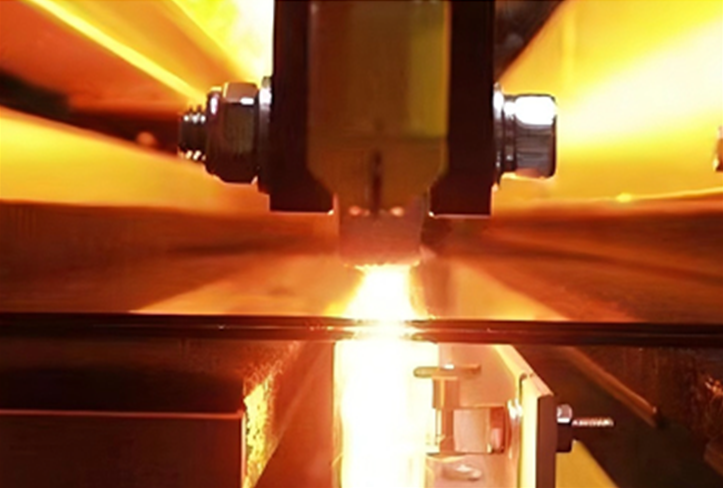
On the bench, a calibration heater that drifts doesn’t just waste time—it quietly eats margin. Tempering and bending test coupons show up with uneven surface compression, thermal stress cracks near the edges, or lamination bonds that fold under shear. You chase furnace profiles, nudge convection, and still come up short. We built a calibration heater to break that loop. What matters under the hood It runs on short-wave infrared quartz elements, so heat is fast and directional, with control that’s actually tight. From cold start to setpoint is under 15 seconds, and at 650°C it holds within ±2°C. The 300 mm × 300 mm work area covers standard coupons and small fixtures, and the field is even enough to keep hot spots from sneaking in. Power is 4 kW on 230 V, and it’s wired through a hard-wired industrial connector for repeatable, low-resistance contact. Control is PID, with 4–20 mA input so it can plug into lab data systems, and the heater body stays cool around the perimeter—protects nearby samples and keeps operators comfortable. Why it behaves in practice In the lab, speed and repeatability translate straight to throughput and yield. Fast ramp-up shortens each coupon cycle, so you pack more tests into a shift and keep furnaces from sitting idle. Temperature control stays consistent from batch to batch, which cuts scrap driven by thermal shock and edge stress. Energy use drops because the unit delivers heat on demand instead of pre-warming a big chamber. Maintenance is straightforward, too: modular quartz elements swap in minutes, and the design takes thermal cycling without drifting off calibration. Here’s what to keep in mind You’ll need a dedicated 230 V line and proper ventilation. The short-wave output is bright, so shield it when someone is working nearby. The heater is tuned for flat glass coupons up to about 6 mm—thicker glass, or heavily coated stock, will need adjusted power and soak time. And watch emissivity: low-e coatings change how heat is absorbed, so setpoints should be verified with a contact thermocouple on the first run. Once you dial it in, it holds the profile you need, day after day.