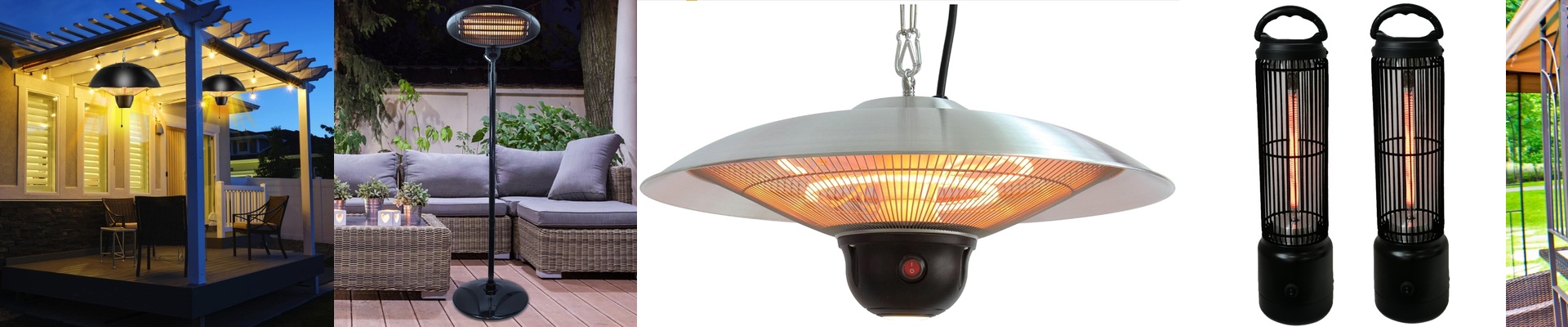
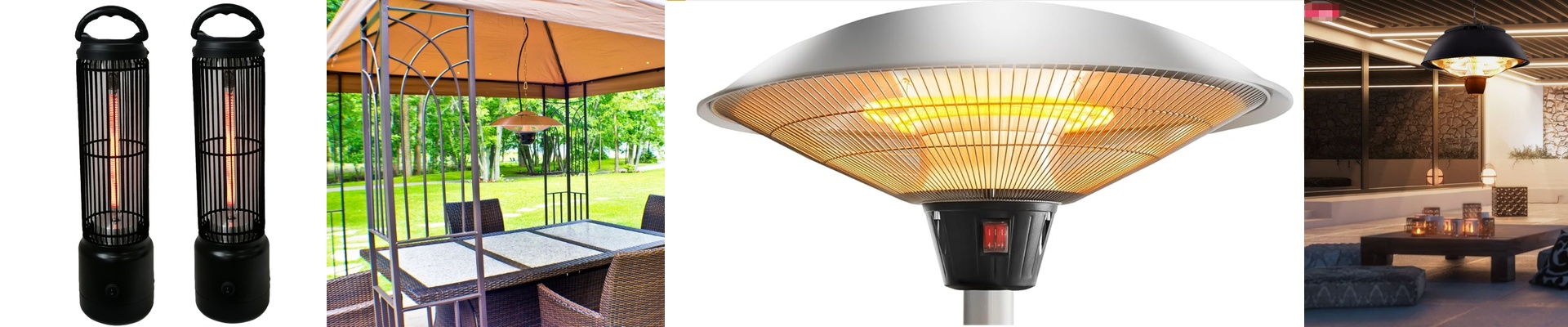
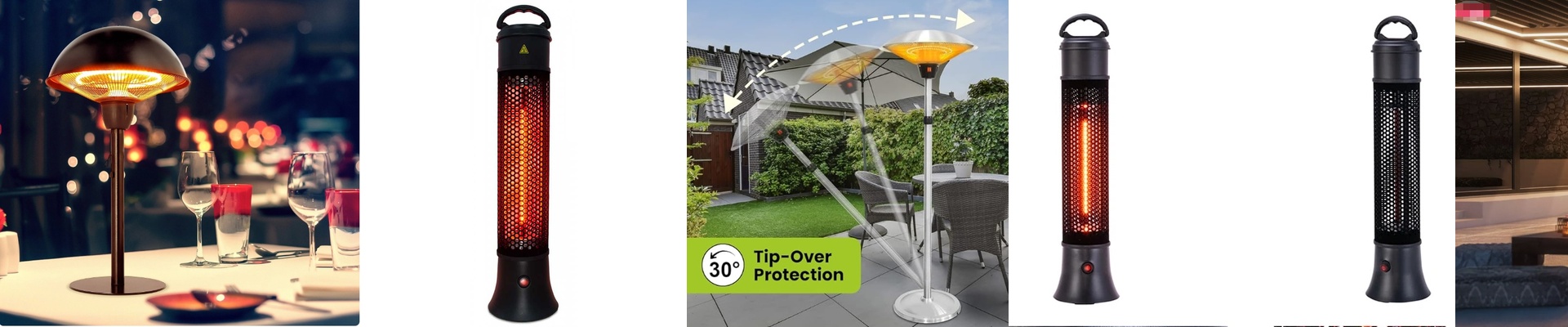


On the workshop floor, 0.1mm isn’t a footnote. It’s the edge between steady warmth and performance that wanders. We built this CE-approved electric infrared heater around that reality. Tightened the tolerances on every quartz tube. Kept the reflector geometry aligned so the beam lands where you need it, not where it happens to end up. What matters, under the hood This CE-approved electric heater runs on an infrared quartz element and a reflector system that focuses radiant heat outward. You get targeted warmth that hits people and surfaces directly, instead of wasting energy heating air that just slips away. It runs on standard 220–240V power, with a protected cord and built-in safety controls—tip-over protection and overheat protection. Heat comes on immediately, no long preheat. Output stays steady because the materials and assembly were held to a repeatable spec. Why it works where you need it The goal is simple: comfort that holds steady—on the patio, in a workshop corner, or in a drafty room. Infrared warmth feels natural because it works the way the sun does, radiating heat to objects and skin. Fewer cold pockets. Less waiting. Less energy spent heating empty air. Outdoors, it turns evenings into usable hours. Indoors, it gives quick comfort without overheating the whole house. Here’s what to keep in mind Radiant heat delivers comfort best when it has a clear line of sight to the people who need it. Obstructions cut effectiveness, so placement matters. And because the heater produces intense localized warmth, keep combustible materials at a safe distance and follow the clearances in the manual. For outdoor use, check the IP rating and stay within the design limits—wind and moisture change how warmth feels, even when the unit is doing exactly what it was engineered to do.