
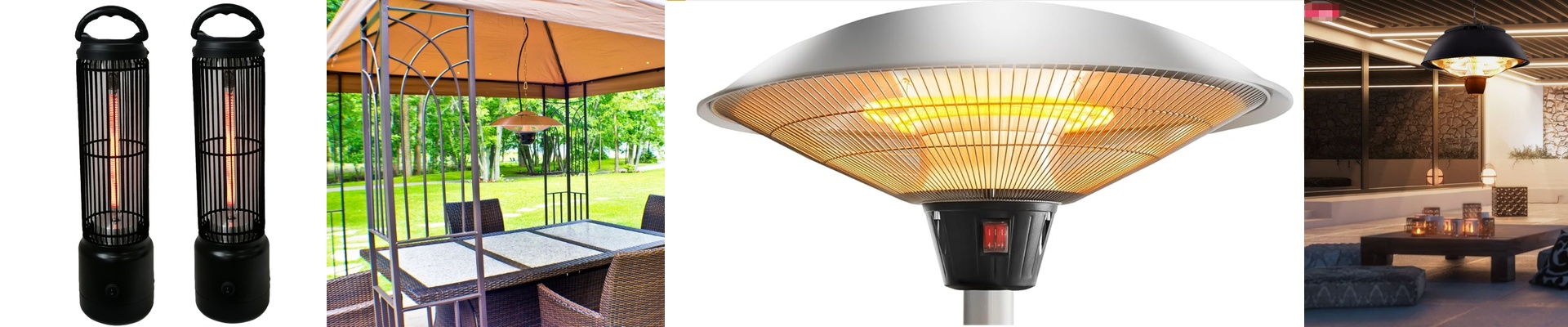


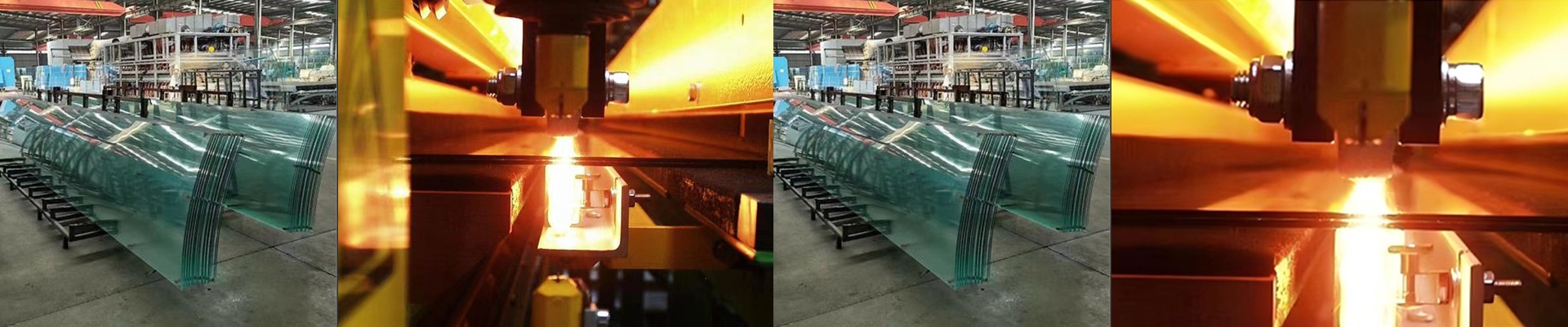

In a hot yoga class, you can feel it the instant the temperature slips. Bodies tighten up. Breath goes shallow. The flow that should carry everyone into release just stalls. The room isn’t only cold—it’s working against the practice. For studios and gyms, that shows up as slower progress, quieter rooms, and fewer people coming back.
What matters, technically
Infrared heaters warm the way the sun does—with radiant heat. It lands on people and surfaces directly, not on the air. We build our units around a carbon fiber heating element that comes up to temperature fast and gives off a soft, even glow. The payoff is steady, draft-free warmth that keeps the room feeling consistent from the mat to the wall. Pair that with a built-in thermostat and you can hold the exact comfort range your classes need, session after session.
Why it fits here
Hot yoga runs on predictable heat. When infrared warmth supports the routine, clients hit a good sweat sooner and settle into deeper stretches with less strain. That means fewer mid-class interruptions, fewer draft complaints, and more time for instruction. For your business, it also creates an easy upgrade path—offer “infrared-enhanced” sessions or add a premium warm-up block—without bringing in complicated gear or noisy fans.
The practical details
Placement matters. Mount heaters high and angle them so radiant heat covers the practice area evenly, and keep clearance from curtains, mats, and ceiling materials. Most electric infrared heaters plug into standard outlets, but if you’re running multiple units, plan the circuit load so breakers don’t trip when demand peaks. One trade-off: infrared warms people and surfaces directly, so in humid conditions you may still want gentle background air movement to keep the room feeling fresh.