

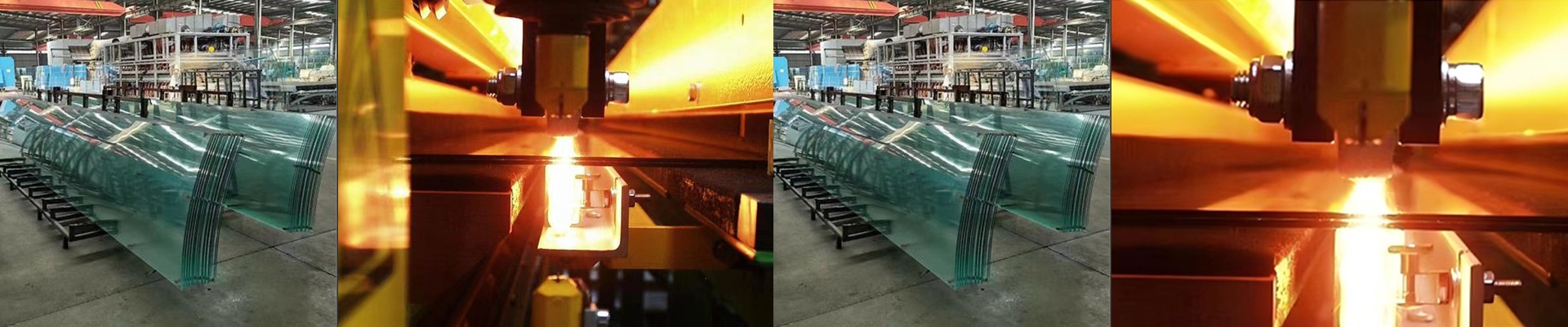


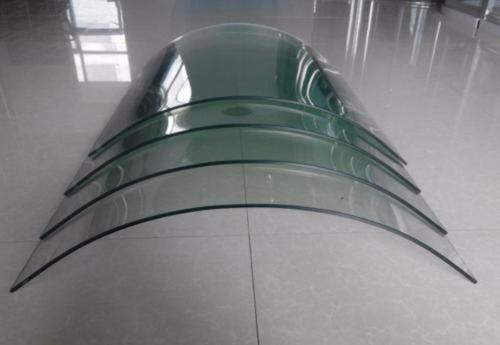
On the glass line, a high-gloss finish isn’t just cosmetic—it’s proof the chemistry is stable and the energy input is under control. When the dryer slips, you get uneven cure, haze, and rework that eats into margin. We built this dryer to put heat where it counts, without pushing the glass into thermal stress that shows up as cracks or warp. What matters under the hood It runs on short-wave infrared (SWIR) emitters that snap to temperature and hold it. The heater array is laid out to keep power density even across the surface, so you don’t fight hot spots or the usual drop-off at the edges. Control is closed-loop, with a calibrated sensor that tracks emissivity and surface temperature. You set profiles by glass thickness and coating type, then run them again shift after shift. It drops into standard line voltages and talks clean to PLC—easy to slot into existing coaters and drying sections. Why it holds up in real production Out on the floor, the dryer tightens the heating window while keeping the coating inside the cure window. That means you can push throughput without constantly trimming line speed. Energy use comes down because the emitter only fires when needed, and the reflector geometry keeps heat on the glass, not on the frame. The payoff is consistent reflectance, better adhesion, and fewer rejects tied to uneven drying. If your tempering or bending line also runs coated glass, the same control reduces thermal shock risk—helping you keep flatness and optical quality in spec. The install and setup you can’t skip Match the dryer to the conveyor width and nail the clearance to the glass surface. Too close, and you’ll cook a hot spot. Too far, and you lose drying efficiency. Coatings with different solvents and resin systems have different peak temperatures, so spend the first week running validation to lock in the right profile. Plan regular checks on emitter condition and alignment. The output drift is small, but it adds up over thousands of hours. Get those basics covered, and the dryer acts like part of the process—not another variable you spend your day chasing.