
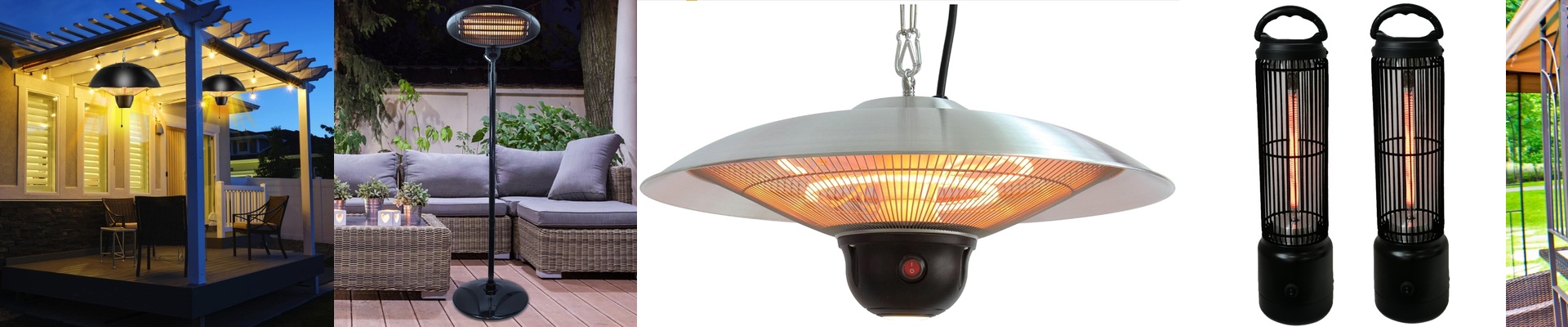

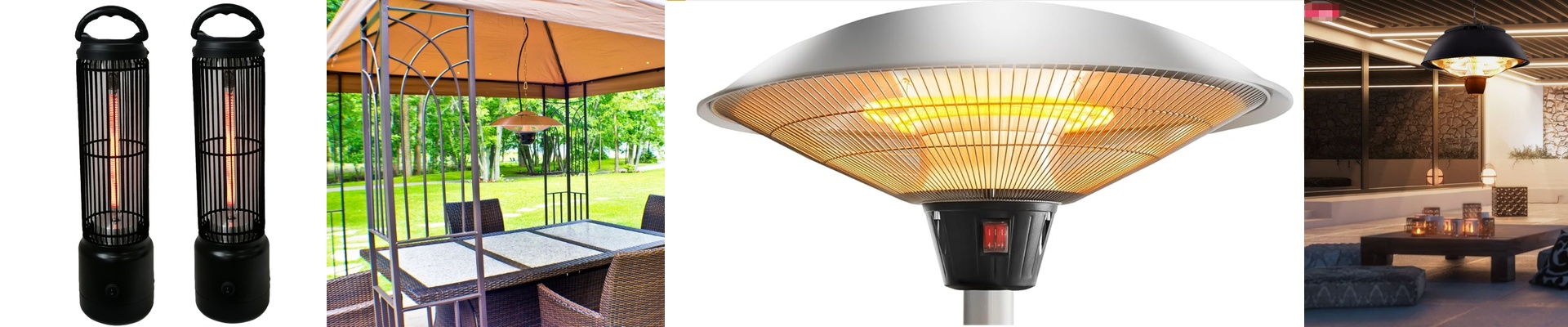
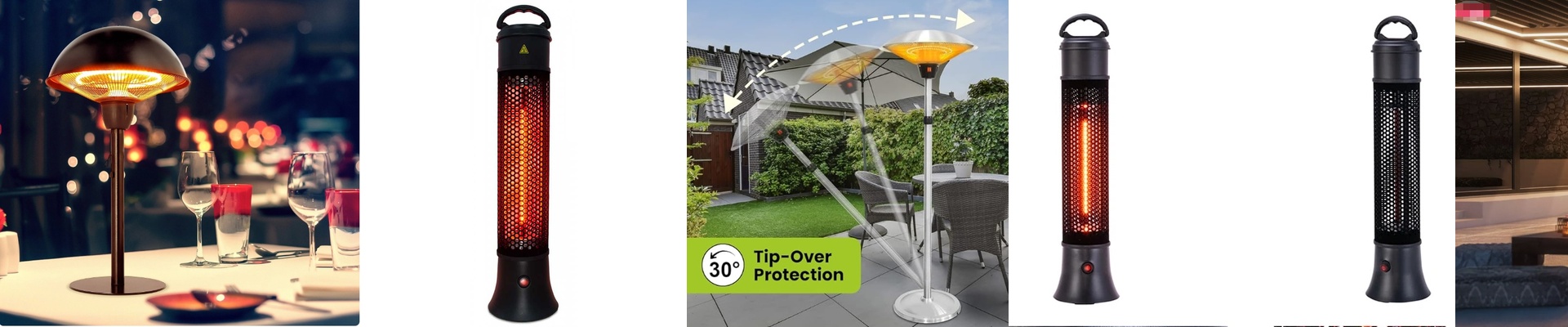
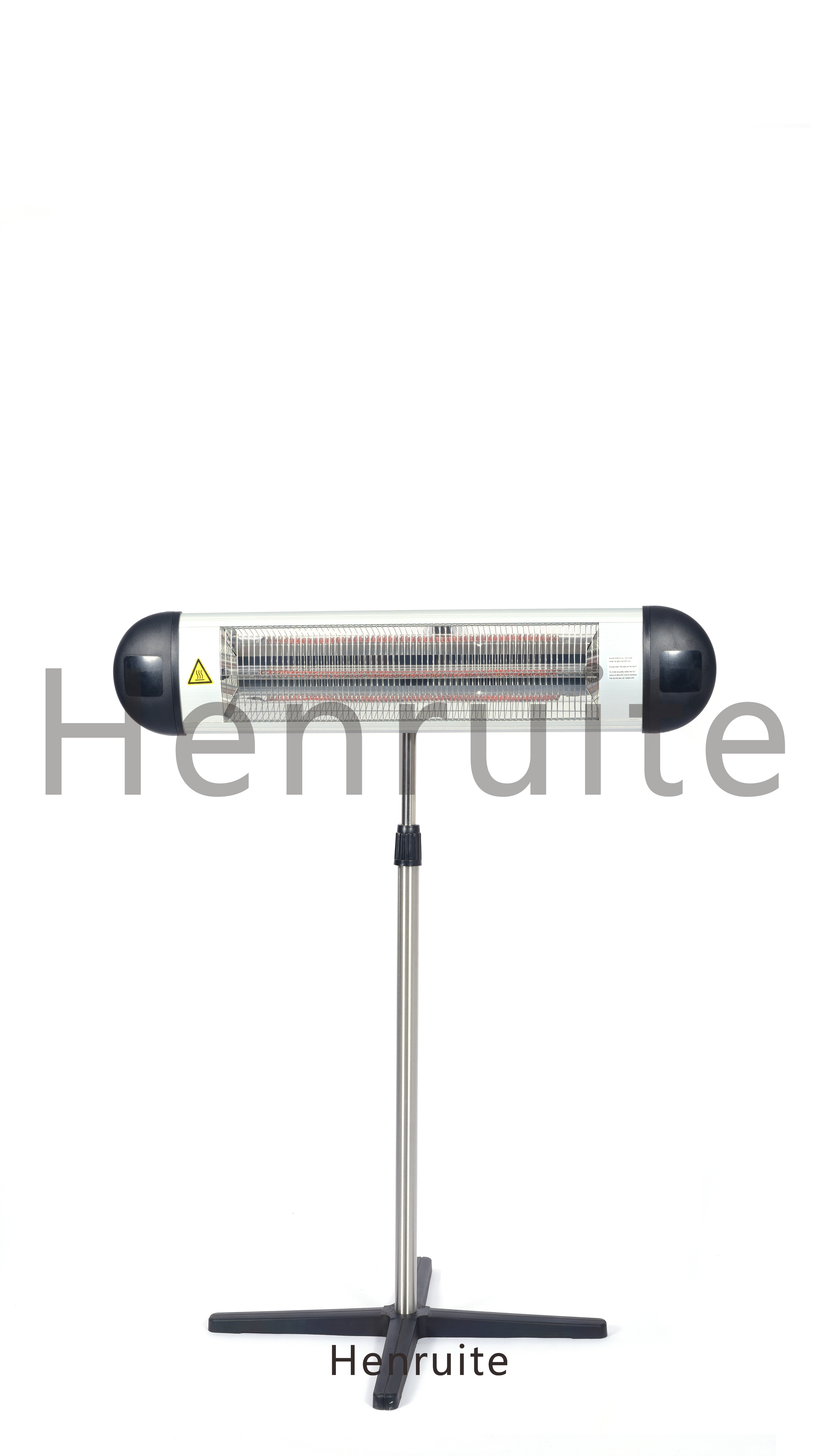
The second your feet get cold, the whole vibe in the room shifts. You stop settling in, and that smart thermostat starts chasing comfort by dumping wattage into empty air. The problem isn’t heat—it’s timing. Traditional systems warm the air, not you, and that lag is where the energy goes to waste.
What matters under the hood
Infrared foot warmers work because they deliver radiant heat straight to people and surfaces, not up to the ceiling. We pair a low heat inertia element—carbon fiber or quartz—with a focused reflector, so the warmth lands right where you need it. That translates to fast response: full output in seconds, not the long ramp-up you get from convection. In practice, you can run shorter duty cycles, keep the main thermostat set a few degrees lower, and still get immediate comfort underfoot.
Why it fits into a smart home energy setup
In a smart home energy loop, low heat inertia is the missing piece. When occupancy changes, the system has to adjust quickly. An infrared foot warmer reacts on demand and shuts off without hanging onto heat that overshoots the setpoint. That tight control keeps the room comfortable while trimming standby losses. For you, it means fewer energy spikes, more consistent warmth at floor level, and a space that feels steady even when the weather turns.
What to keep in mind
Infrared warmth is directional, so aim the unit at seating areas and foot zones—not at the walls. You’ll get the best results in dry indoor spaces. If you want outdoor use, pick a model rated for moisture (check the IP rating) and keep safe clearances in place. For smart integration, confirm thermostat compatibility and plan for dedicated circuit capacity. Most units run on standard household voltage, but when they’re on, they still pull meaningful power.