Introduction
Picture this: a changing room that’s always cold and damp. Not exactly the welcome anyone wants. We built our infrared halogen towel rail heaters to fix exactly that. They’re made to throw focused warmth into wet spots fast—so in seconds, you turn a chilly, uncomfortable corner into a spot that feels steady and good. And because these are for commercial spaces, they have to be tough. No fuss, just reliable heat.
Power and Performance: The Heat, Straight Up
These heaters come in 220V–240V or 400V versions, and most run around 2500W. That wattage is why you get heat almost instantly. And the magic is how much punch comes from such a small tube—often just 300mm. You get serious output without taking up much space. But here’s the catch: that kind of heat needs a circuit that can handle the full load. So you’ll want wiring and a breaker rated for the job, plus enough airflow around the unit to keep the local temperature from climbing too high.
Material and Design: Why Halogen and R7s Make Sense
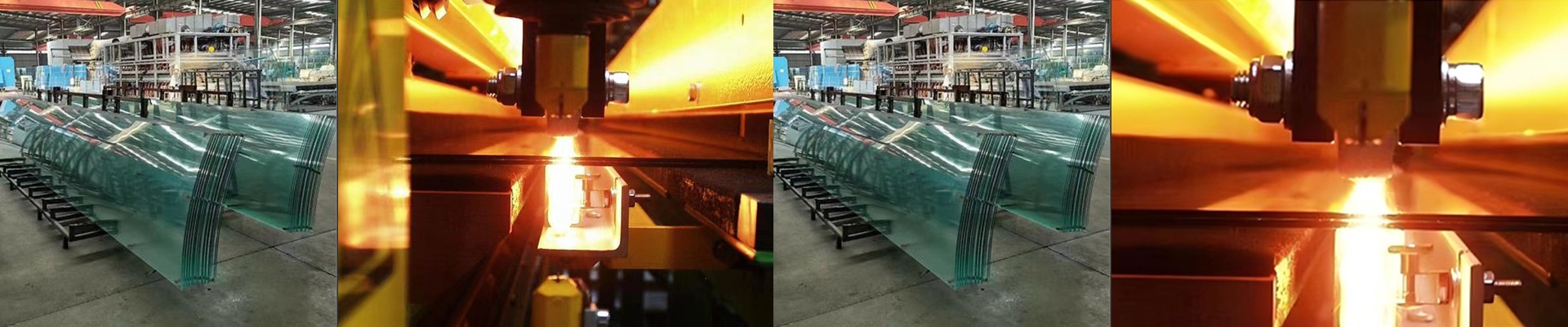
Inside, you’ve got a halogen-filled quartz tube. It heats up quickly and holds its output steady. The shortwave infrared hits surfaces directly—warming towels and the air around them fast, without wasting energy heating the whole structure. And the R7s connector? It’s standard for a reason. It can handle the high current safely, and it makes installation straightforward. In many cases, it’s a simple drop-in swap into existing towel rail fixtures. Quartz is tough against thermal shock, but it’s still glass—so if it gets hit, it can break. In busy, high-traffic areas, we recommend a protective coating or a guard.
Real-World Use: Comfort, Dry Towels, and Simpler Work
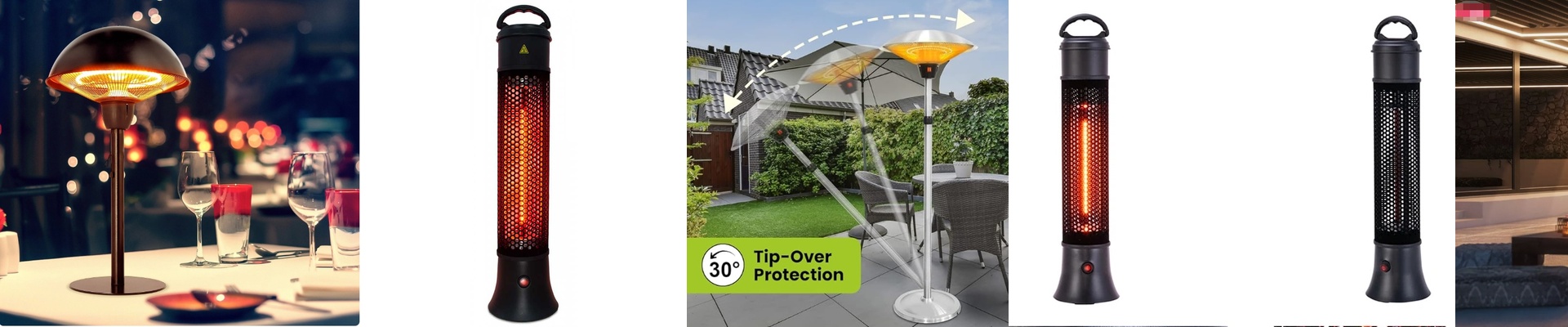
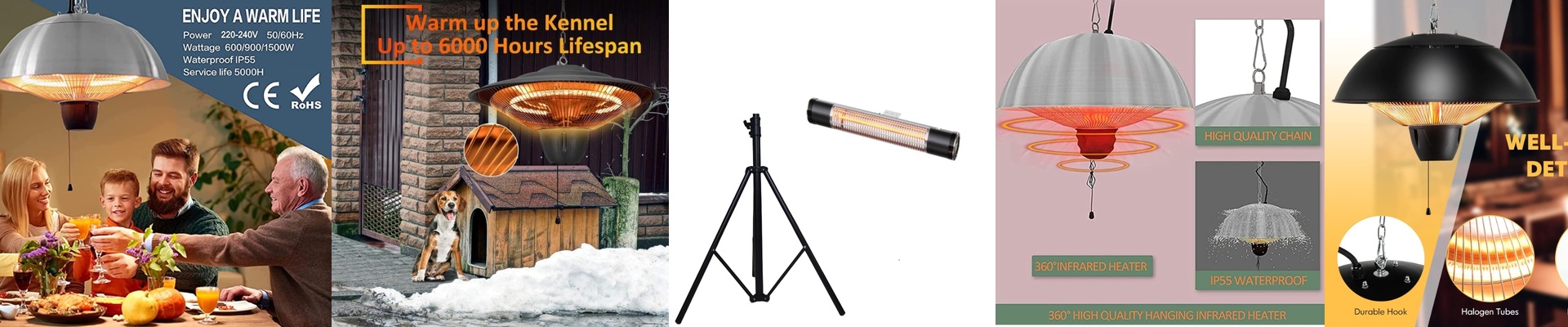
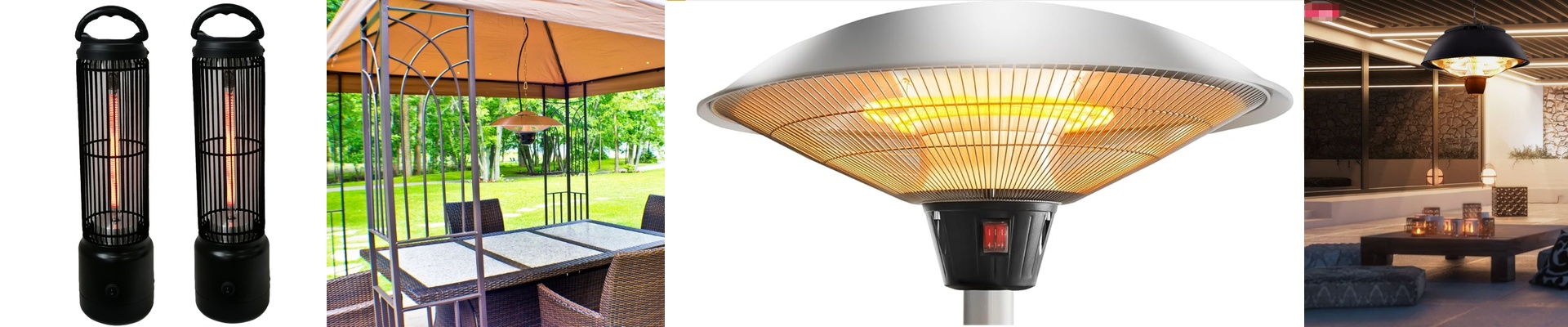
In changing rooms, these heaters do two great things at once: they dry towels and warm the immediate area. That helps cut down on humidity and makes the whole space feel more comfortable. Because they heat up so fast, you don’t need to run them constantly. That can save energy during off-peak hours. For engineers and installers, the wiring is straightforward and the R7s interface keeps integration clean—whether you’re retrofitting an existing setup or building something new. Just keep in mind: the heat is intense and focused. Give the unit proper mounting clearance, and plan ventilation carefully so the surrounding air stays comfortable.