Getting to the Heart of the Heat: Power, Voltage, and Size
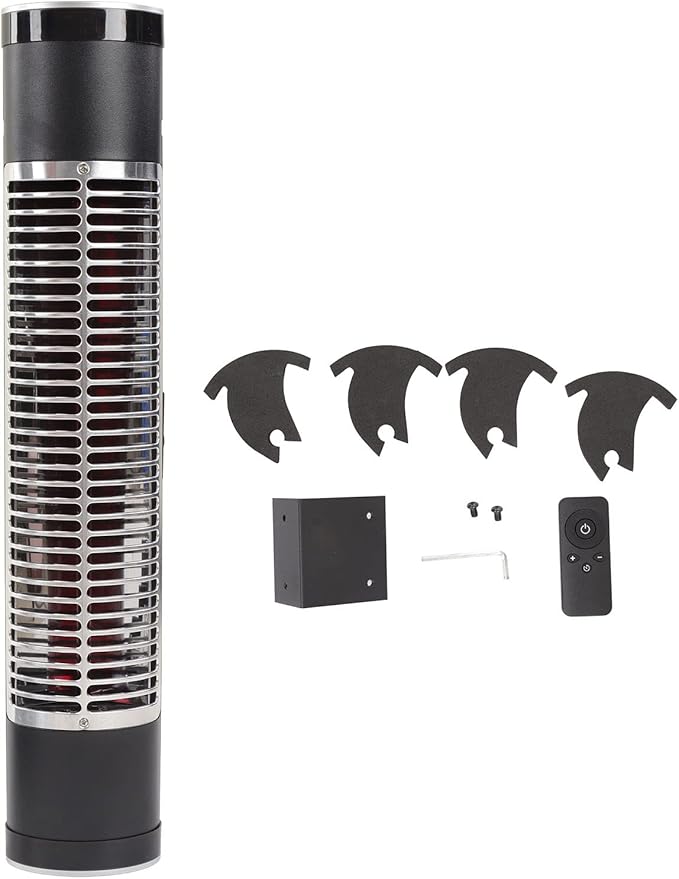
Here’s the thing about industrial heating: you need heat, and you need it now. That’s why we built this top-rated space heater around a high-density quartz halogen lamp. It’s all about immediate output and keeping things under control. The numbers are pretty straightforward. You’ve got a power range of 2500W to 3000W. We offer it in either 220V or 400V. And the tube? It’s a compact 300mm long. The 400V version is a smart move for plants that want to pull fewer amps per unit. That means you can use smaller wiring. But, it does need a matching control and the right insulation clearances. And that 300mm length? It gives you a tight, focused zone of heat without forcing you to redesign the whole machine.
The Inside Story: Quartz Halogen and a Simple Connection
The quartz envelope is tough. It handles rapid heating and cooling without cracking under the pressure. Inside, the halogen gas keeps the filament stable, even at scorching temperatures. The payoff? Consistent heat output that you can count on, day after day. An internal reflector coating is doing the heavy lifting, too. It directs all that infrared energy forward, so the heat goes where you need it, not wasted on the mounting hardware. And the R7s base? That’s the real time-saver. It’s a direct, drop-in replacement for many OEM fixtures. Just two straight pins, standard spacing, no fiddling with adapter plates. Wire it up, set the distance, and you’re done. The heat profile stays consistent, every single time.
Heat Where You Need It, When You Need It
This setup was born for industrial spaces where uptime is everything and room is hard to come by. The shortwave infrared output doesn’t waste time heating the air. It goes straight to heating objects and people. The result? A response that’s fast, and control that feels predictable and solid. Plus, the compact footprint lets you sneak heat into tight corners and right along production lines. But there’s one thing to keep in mind. The heat is intense. You’ll need to manage ventilation and clearances to protect nearby components and keep the lamp itself running at a stable temperature.