Stop Trying to Force Your Lamps to Fit
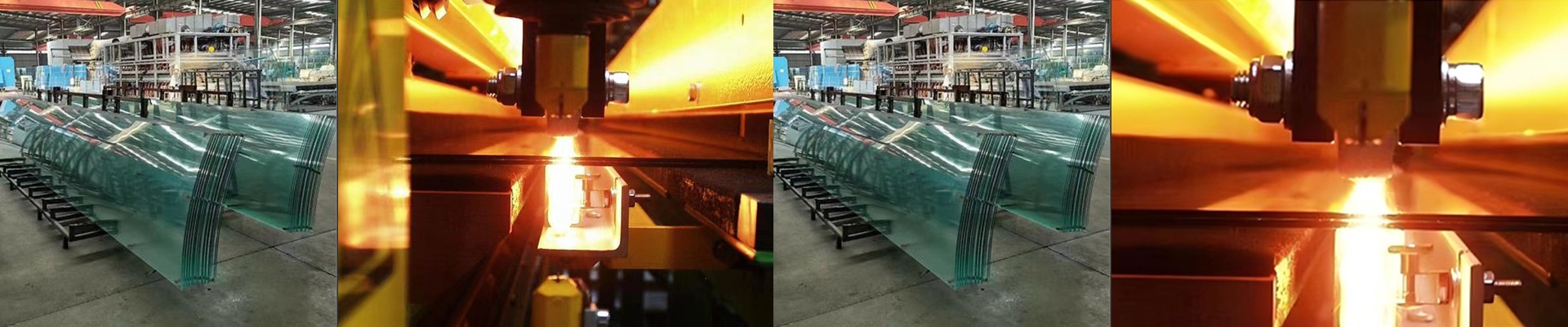
Let’s be honest: standard straight infrared lamps are great until they aren’t. The second you’re dealing with a weirdly shaped bending furnace or a machine footprint that’s tighter than a glove, those off-the-shelf tubes become a nightmare. You shouldn’t have to rebuild your entire machine just to fit a lamp. That’s backwards. It’s much easier to just change the lamp. That’s where we come in. We handle the custom lengths and bent geometries that keep your layout from becoming a headache. Getting the heat exactly where it needs to be Most emitters you find in a catalog come in a few fixed lengths. But if your heating zone is cramped, or you need a U-shape or a specific offset bend, a standard tube is basically useless. We take your CAD drawing and bend the quartz envelope to match it. Simple as that. The real win here? You can pack way more wattage into a tiny space. By tweaking the length and the curve, you’re putting the radiant heat exactly where your workpiece is sitting, rather than wasting energy heating up the air around it. The magic inside the tube Here is the gist of how these things work. We use a tungsten filament inside a quartz tube, pressurized with a halogen gas cycle. Think of that gas cycle as a cleaning crew. It stops the filament from evaporating and gunking up the walls of the tube. Because the quartz stays clear, the light keeps passing through and the lamp lasts a lot longer. Depending on what your power supply looks like, we can tweak the voltage and wattage. And if you need that short-wave IR for lightning-fast surface heating, this is definitely the way to go. A few things to keep in mind We don’t just send you a tube and wish you luck. We can handle the wiring side of things too—specific lead wire lengths, specialized connectors, whatever makes your life easier during install. But, there is one catch. Bending quartz creates some internal stress. We do our best to minimize that during the process, but a curved lamp just behaves differently than a straight one when it gets hot. It expands and contracts in its own way. Just make sure your mounting brackets aren’t too tight. Give the quartz some room to breathe, or you’ll risk a snap during those heat-up cycles.