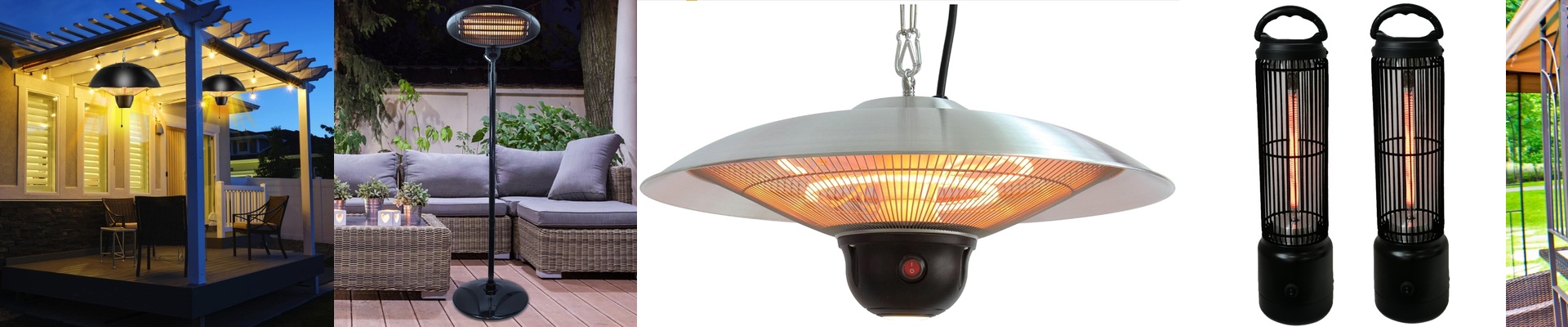
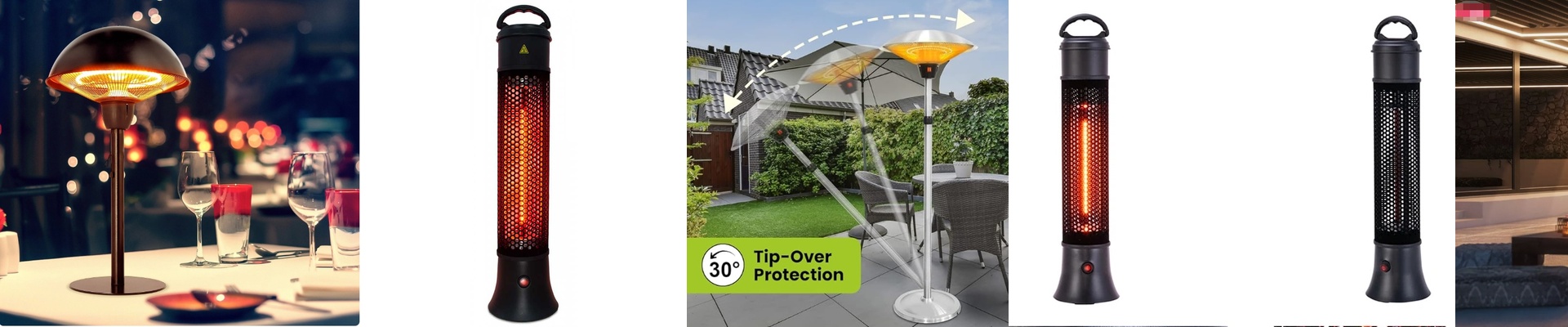
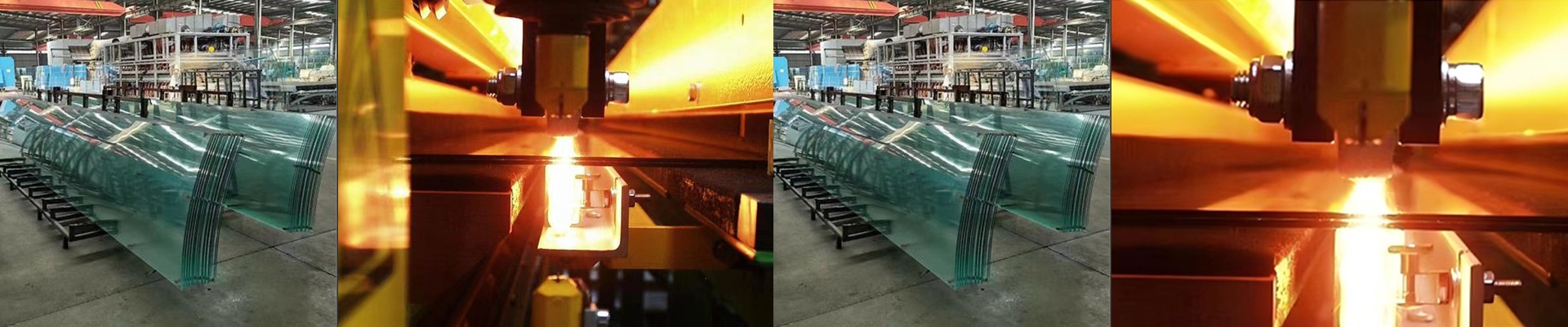
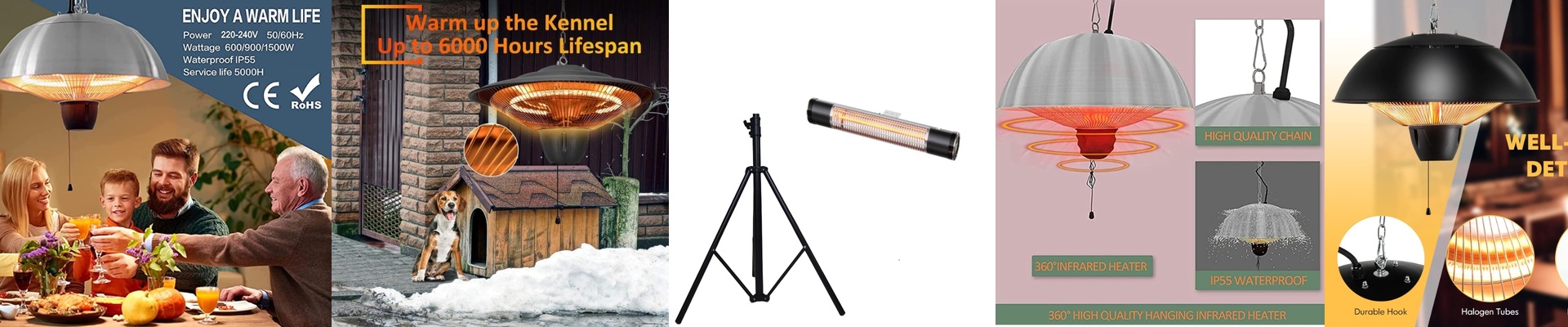
Wall-Mounted Halogen Infrared Heaters: Specs, Design, and How They Actually Work in the Real World
We built our wall-mounted indoor heaters around halogen infrared tubes for one simple reason. They deliver heat fast—right where you point it. No waiting around. No heating up the whole room just to warm a single spot. This isn’t about cozy, ambient comfort. It’s about getting heat onto the work itself—clean, direct, and immediate. Think industrial processes, task zones, and spot heating where the heat has to land on target, not in the air.
Power, Voltage, and Size: What You Need, When You Need It
Most of our indoor wall-mount halogen heaters run at 2500W and 400V. That voltage choice isn’t random. It keeps the current lower over longer wiring runs, which helps reduce voltage drop and lets you use smaller wires. The tube is typically around 300mm long. That’s a small footprint that packs a lot of wattage into a tight space—so you get serious heat density right where you need it.
The Build: Quartz, Halogen Gas, Reflective Coating, and R7s Connectors
The tube is quartz, and that matters. It handles rapid heating and cooling without blinking, even with filament temperatures that would make weaker materials fold. Inside, halogen gas helps the filament last longer by fighting off tungsten evaporation. The result? The lamp stays bright and steady over time, instead of fading out early. On the back, a reflective coating pushes more infrared forward. That means better control over the heat pattern and less wasted energy. And the connectors? We use R7s because they snap in fast and hold their grip even when things vibrate. If you’re swapping out an existing fixture, it’s a straightforward drop-in replacement.
Where They Shine—And the Real-World Trade-Offs
These heaters are perfect for wall mounting near workstations, drying lanes, and process equipment—anywhere you want heat on demand, right where the work is. That concentrated output makes drying faster and helps maintain temperature inside enclosures. It’s direct, it’s responsive, and it’s focused. But here’s the honest part: 2500W packed into a 300mm tube creates intense local heat. So you need to plan your cooling and airflow. Keep anything flammable out of the beam, and make sure the mounting surface can handle the heat.