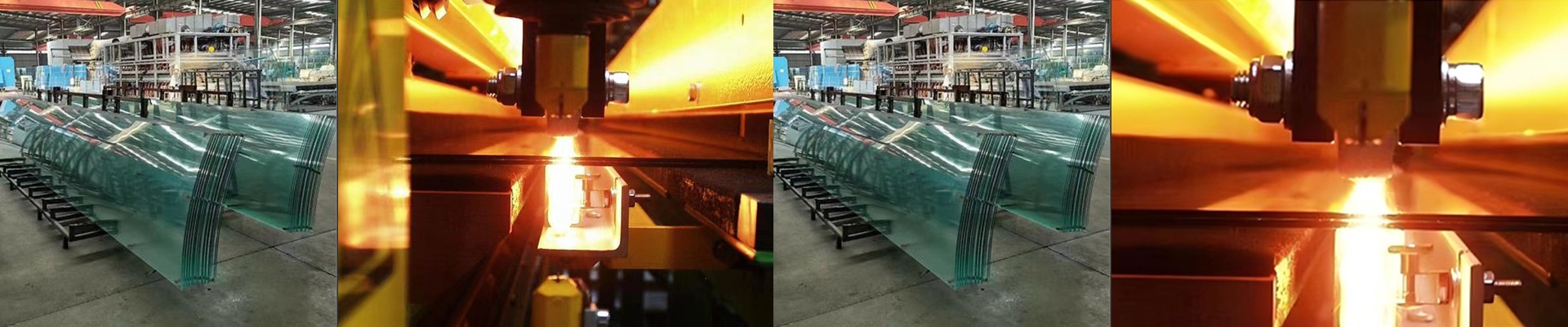

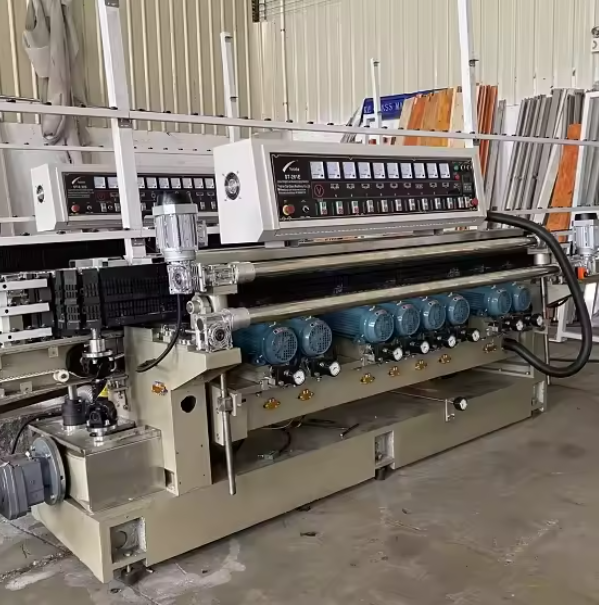
On the insulating glass line, a sealant cure that drags or runs uneven isn’t just a bottleneck—it forces you to back off the table speed. That means missed orders and rework from edge voids and adhesion failure. Triple glazing changes the math. More mass, more thermal load. You need heat control that’s steady and dwell time you can count on. If the dryer can’t keep up, you’re stuck between two bad choices: overheat and risk thermal stress, or under-dry and weaken the secondary seal. We built our triple glazing sealant dryers around medium-wave infrared emitters in a quartz envelope. They respond fast, and the thermal profile stays tight. The emitters are tuned to the sealant’s cure window, so the energy goes into curing, not heating the frame. Heat spreads evenly across the glass stack, so you don’t get hot spots. The primary and secondary seals bond consistently, and you stop chasing the cure at the end of the line. So what does that mean on the floor? You run at line speed without slowing down for curing. Cycle time settles, and throughput climbs. Energy use drops because the emitters heat on demand and cycle with the table. No more running full-load continuously. Under-cure and over-cure rejects drop, and finished-goods yield improves. Maintenance takes a hit too—in a good way. Solid-state drivers and modular emitter assemblies mean less downtime, and swapping emitters is quick without tearing out the whole unit. Installation is straightforward, but the details matter. Match the dryer voltage to your plant supply. Confirm the conveyor connector type. Check clearances to the frame and the sealant application head. If you run higher power density settings, expect a slight reduction in maximum stack height. We size the dryer around your typical mix of double and triple units, so you keep flexibility without giving up speed.