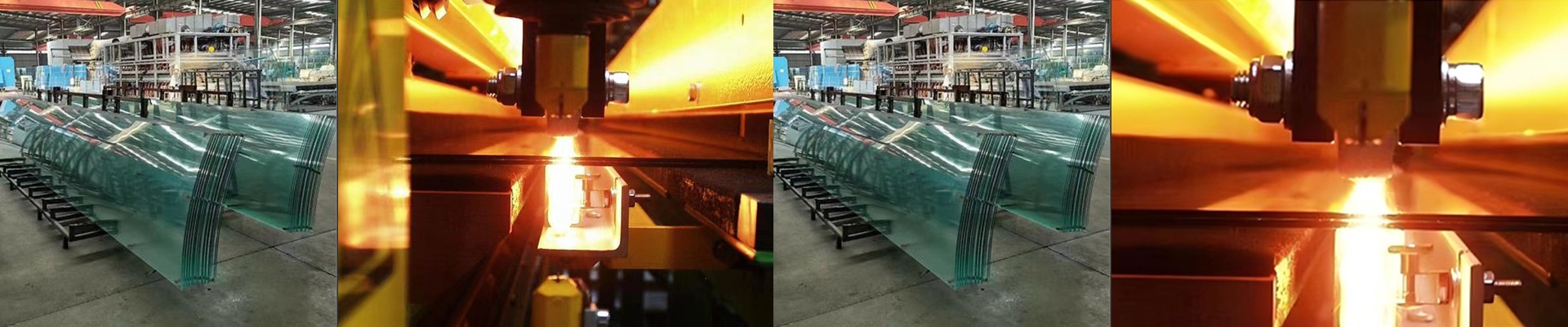
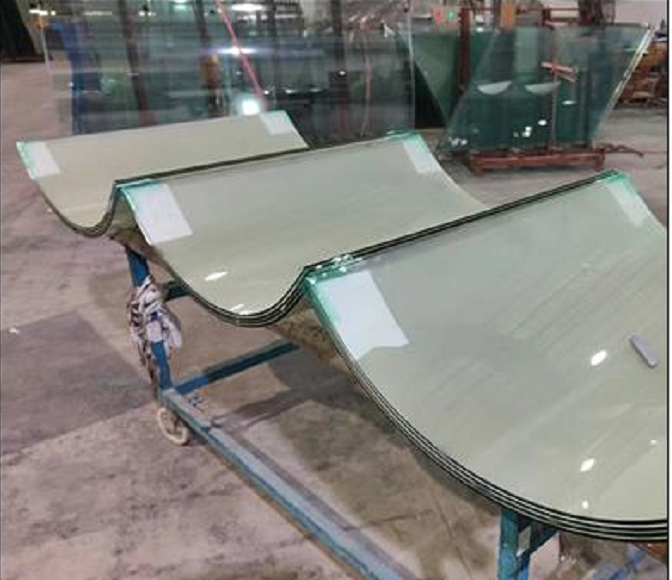
On the fusing line, you know the feeling. The oven throws heat unevenly, and you start seeing stress marks, weak seals, and too many rejects after the quench. Convection can’t keep up, and every minute spent reworking is a minute you can’t get back on the schedule.
What we built, technically
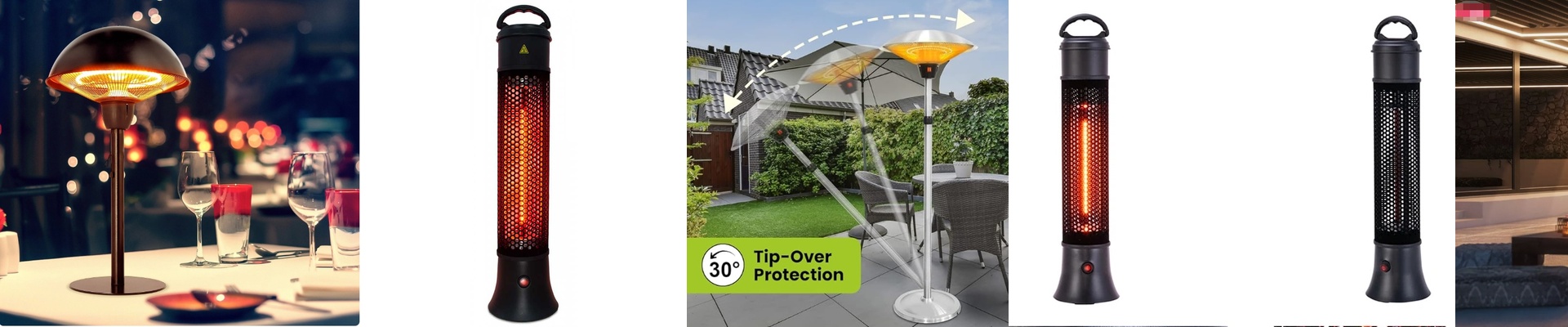
We set up the infrared heating modules with short-wave quartz emitters, tuned to the absorption curve of glass. Response is fast—full power in seconds, no warm-up drift. That gives you a stable, repeatable thermal field across the whole fusing zone, with tight control on peak glass temperature. Power density is matched to line speed, and the emitters run on standard industrial voltages, so you don’t have to rewire the supply.
Why it sticks on the fusing line
Fusing needs uniform heat to keep thermal stress fractures from showing up while the glass moves through the softening point. Infrared puts the energy straight into the glass, not the air around it, so the process is less sensitive to airflow and ambient swings. Cycle times come down because the heating zone hits setpoint quickly, and temperature stability lifts yield by cutting edge defects and bubbles. Energy use drops because you’re not fighting convection losses.
What to keep in mind
Installation is straightforward. We ship drop-in replacement geometry and mounting interfaces that fit common glass machinery brands. Your existing controls integrate without a redesign, but you have to match the emitter layout to your specific glass thickness and coating stack—emissivity and reflectivity shift the heat balance. Plan for clean power and proper cooling; infrared emitters run hot, and stable voltage keeps output consistent over long shifts.
สายการหลอม คุณรู้สึกได้ เตาอบให้ความร้อนไม่สม่ำเสมอ ทำให้เกิดรอยเครียด ซีลอ่อนแอ และของเสียมากเกินไปหลังการชุบเย็น การไหลเวียนของอากาศไม่ทัน และเวลาที่ใช้ในการแก้ไขงานแต่ละครั้งเป็นเวลาที่เสียไปจากตารางการผลิต
สิ่งที่เราสร้างขึ้นในเชิงเทคนิค
เราติดตั้งโมดูลทำความร้อนอินฟราเรดที่ใช้ตัวปล่อยแสงควอร์ตซ์คลื่นสั้น ปรับแต่งให้ตรงกับเส้นดูดกลืนของแก้ว การตอบสนองรวดเร็ว—เต็มกำลังภายในไม่กี่วินาที ไม่มีการเลื่อนอุณหภูมิขณะอุ่นเครื่อง ส่งผลให้ได้สนามความร้อนที่เสถียรและทำซ้ำได้ทั่วทั้งโซนหลอม พร้อมควบคุมอุณหภูมิสูงสุดของแก้วอย่างแม่นยำ ความหนาแน่นกำลังไฟฟ้าปรับให้เหมาะกับความเร็วสายการผลิต และตัวปล่อยแสงทำงานที่แรงดันไฟฟ้าอุตสาหกรรมมาตรฐาน จึงไม่จำเป็นต้องเดินสายไฟใหม่
เหตุผลที่ใช้งานได้ดีบนสายการหลอม
การหลอมต้องการความร้อนที่สม่ำเสมอเพื่อป้องกันการเกิดรอยร้าวจากความเครียดความร้อนในขณะที่แก้วเคลื่อนผ่านจุดอ่อนตัว อินฟราเรดส่งพลังงานตรงเข้าสู่แก้วโดยตรง ไม่ใช่อากาศรอบข้าง ทำให้กระบวนการมีความไวต่อการไหลของอากาศและการเปลี่ยนแปลงสภาพแวดล้อมน้อยลง เวลาในการทำงานลดลงเพราะโซนความร้อนถึงจุดตั้งค่าอย่างรวดเร็ว และความเสถียรของอุณหภูมิช่วยเพิ่มผลผลิตโดยลดของเสียที่เกิดจากขอบแตกและฟองอากาศ การใช้พลังงานลดลงเนื่องจากไม่ต้องต่อสู้กับการสูญเสียความร้อนจากการไหลเวียนอากาศ
ข้อควรพิจารณา
การติดตั้งทำได้ง่าย เราจัดส่งชิ้นส่วนรูปทรงและชุดติดตั้งแบบเปลี่ยนแทนที่ตรงกับเครื่องจักรแก้วยี่ห้อทั่วไป การควบคุมเดิมของคุณสามารถใช้งานร่วมกันได้โดยไม่ต้องออกแบบใหม่ แต่ต้องปรับแต่งการจัดวางตัวปล่อยแสงให้เหมาะสมกับความหนาแก้วและชั้นเคลือบที่ใช้ เนื่องจากค่าการแผ่รังสีและการสะท้อนแสงส่งผลต่อสมดุลความร้อน วางแผนสำหรับการจ่ายไฟที่สะอาดและระบบระบายความร้อนที่เหมาะสม ตัวปล่อยแสงอินฟราเรดทำงานที่อุณหภูมิสูง และแรงดันไฟฟ้าที่เสถียรช่วยให้กำลังงานคงที่ตลอดกะการทำงานยาวนาน