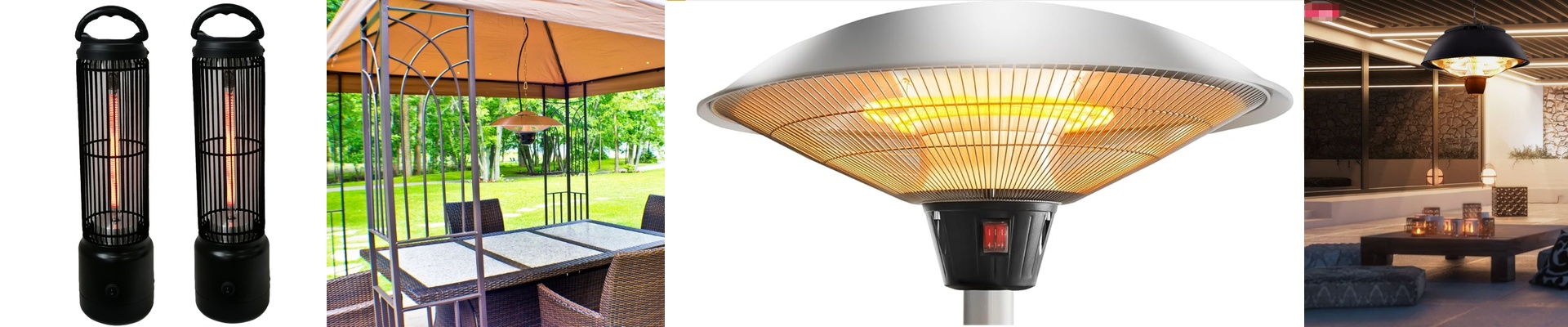

Winter training does a number on the body. Muscles lock up, and recovery drags. When the air’s cold, surface warmth only goes so far. You need heat that gets into the deep tissue—the place where tension hides and healing actually starts. Infrared radiant heat shifts the recovery feel, delivering comfort that hits from the inside out.
What’s actually going on, technically
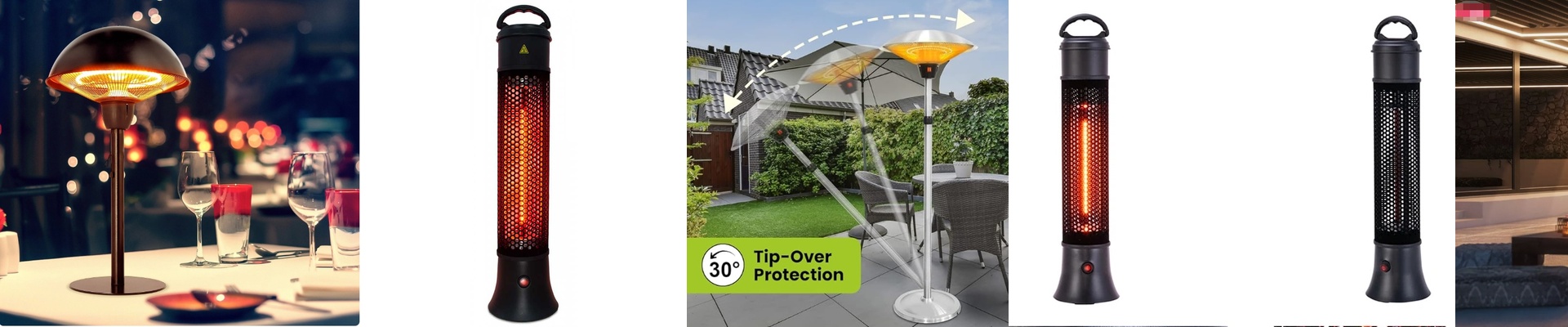
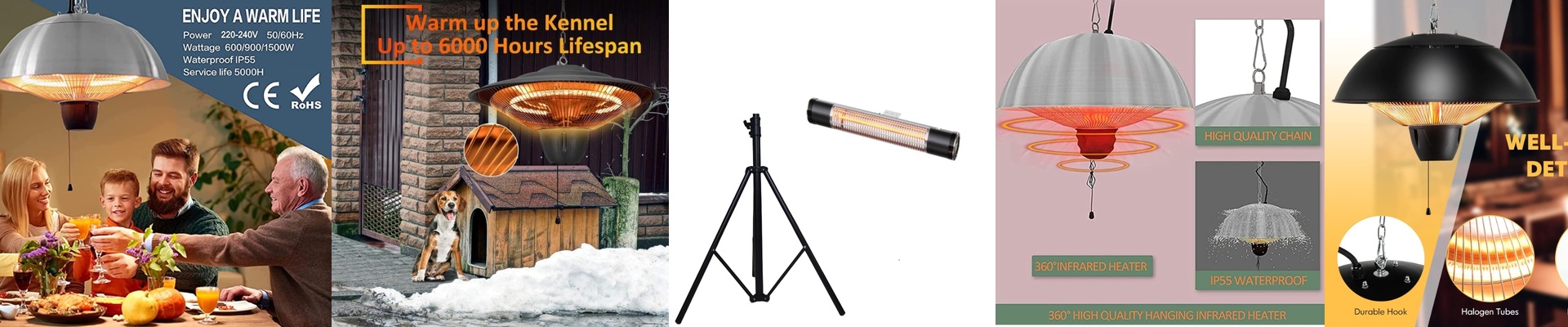
Infrared heaters put out radiant warmth, the same directional, gentle energy you feel from the sun—just without the glare. Inside the unit, a carbon fiber element or a quartz tube heats up and emits longwave infrared. That energy travels through the air and gets absorbed by the body. The upshot is deep, even heating that warms muscles and joints directly, instead of wasting time heating the room air first. Most units are compact, run off a standard outlet, and give you adjustable settings so you can match the intensity to whatever the day did to you.
Why this makes sense after a hard session
Cold muscles don’t want to let go, and stiffness can stick around. Infrared warmth helps you relax faster, and that improved circulation brings oxygen and nutrients into tired tissue. Athletes often notice movement feels smoother the next day, and soreness doesn’t hit as hard. For minor strains, the steady, controlled heat can support the body’s natural recovery, which can mean less downtime before you’re ready to train again. In practice, that can translate to shorter warm-downs, better sleep, and a quicker return to full range of motion.
What to keep in mind when you run it
Infrared warmth works best at close range. Position the heater about 1 to 2 meters away for comfortable coverage. Keep the unit on a stable surface, and follow the clearance and airflow notes in the manual. For indoor use, pick a model rated for the environment, and always run it with a thermostat and overheat protection. Here’s the practical bit: because radiant heat warms people and surfaces directly, you feel comfort fast, but the ambient air temperature climbs more slowly than it does with a convection heater. Warmth that goes where you need it most.
겨울 훈련은 신체에 부담을 준다. 근육은 경직되고 회복 속도는 늦어진다. 공기가 차가울 때 표면의 온기는 한계가 있다. 긴장이 숨겨져 있고 치유가 실제로 시작되는 심부 조직에 도달하는 열이 필요하다. 적외선 복사열은 회복 감각을 변화시켜 몸 안에서부터 편안함을 전달한다.
기술적으로 실제로 일어나는 일
적외선 히터는 태양에서 느껴지는 것과 같은 방향성 있고 온화한 복사열을 방출한다—단, 눈부심은 없다. 장치 내부의 탄소 섬유 소자 또는 석영관이 가열되어 장파 적외선을 방출한다. 이 에너지는 공기를 통과하여 신체에 흡수된다. 결과적으로, 방 공기를 가열하는 데 시간을 낭비하지 않고 근육과 관절을 직접 깊고 고르게 가열한다. 대부분의 장치는 소형이며 표준 콘센트로 작동하고, 사용자가 당일 컨디션에 맞게 강도를 조절할 수 있는 설정을 제공한다.
격렬한 운동 후에 이것이 의미하는 바
차가운 근육은 쉽게 완화되지 않으며 뻣뻣함이 남을 수 있다. 적외선 온기는 이완을 촉진하고, 개선된 혈류는 피로 조직에 산소와 영양분을 공급한다. 운동선수들은 종종 다음 날 움직임이 더 부드럽게 느껴지고 통증도 덜하다고 보고한다. 경미한 염좌의 경우, 안정적이고 제어된 열은 신체의 자연 회복을 지원하여 재훈련까지의 비가동 시간을 줄일 수 있다. 실제로는 짧은 쿨다운, 양질의 수면, 빠른 움직임 범위 회복으로 이어질 수 있다.
사용할 때 유의할 점
적외선 온기는 근거리에서 가장 효과적이다. 히터는 약 1~2미터 거리에 위치시켜 편안한 범위를 확보하라. 장치를 안정적인 표면에 두고, 매뉴얼에 명시된 여유 공간과 공기 흐름 지침을 준수해야 한다. 실내 사용 시 환경에 맞는 등급의 모델을 선택하고, 항상 온도조절기와 과열 방지 기능을 함께 사용하라. 실용적인 부분으로, 복사열은 사람과 표면을 직접 가열하기 때문에 빠른 편안함을 느끼지만 대류 히터보다 주변 공기 온도가 느리게 상승한다.
필요한 부위에 정확히 도달하는 열.